




Choosing the right countertop material for your kitchen is a decision that blends style, function, and long-term practicality. With so many options, from natural stone to engineered surfaces, it can be challenging to determine which best suits your needs. Factors such as durability, maintenance requirements, budget, and overall design aesthetic all play a role in narrowing down your choices. Understanding how each material performs in a busy kitchen environment helps ensure that your investment aligns with your lifestyle.
Beyond appearance, it’s important to consider how the countertops will handle daily use, including exposure to heat, moisture, and frequent cleaning. Some materials offer greater resistance to stains and scratches, while others require more regular upkeep to maintain their look. By weighing these considerations carefully, homeowners can select a surface that not only enhances the kitchen’s visual appeal but also supports efficient and comfortable everyday use.
Factors to Consider
When deciding on a kitchen countertop, several factors help guide your final choice. Each aspect contributes to creating a space that is both beautiful and well-equipped for daily activities. Here are the main elements to review:
- Durability and Maintenance: Assess the countertop’s resistance to heat, scratches, stains, and heavy use. Materials such as quartz and granite are known for their longevity and minimal upkeep, while options like marble and wood require periodic sealing or specialized care. Considering your household’s habits will help you decide which balance of maintenance and resilience best suits your household.
- Cost and Budget: Countertop expenses can vary widely. Factor in not only the base price per square foot but also installation and any necessary treatments to keep the surface in top condition. Calculating the total investment in advance avoids surprises down the road.
- Aesthetic and Design Versatility: Style matters, as your countertop should complement your cabinets, flooring, and overall kitchen palette. Some surfaces feature unique veining and color patterns, adding character to your space, while others provide a more uniform look. Consider whether you want your countertop to be a design centerpiece or a subtle addition.
Popular Countertop Materials
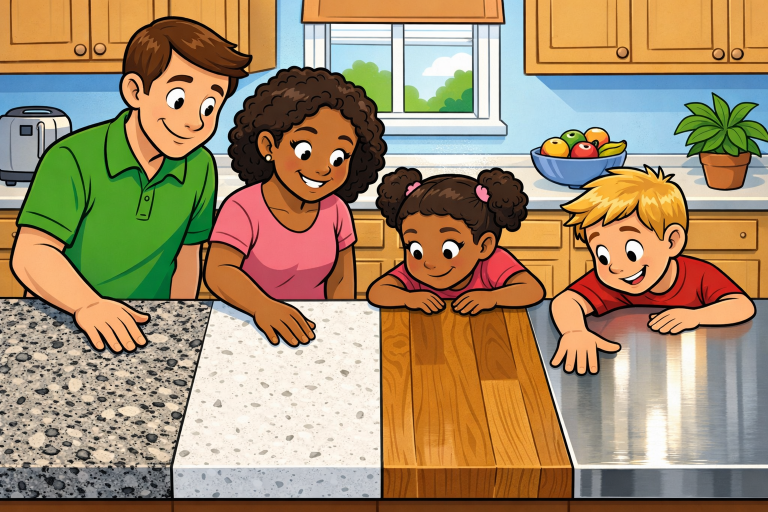
There are many kitchen countertop materials to choose from, each with distinct benefits and possible drawbacks. Here is an overview of some of the most sought-after options:
Granite vs. Quartz
Granite countertops remain popular for their natural patterns and strong heat resistance, making them a reliable choice for busy kitchens. Though they require occasional sealing, granite surfaces can last for decades when properly maintained. Quartz, engineered from stone and resin, offers a more uniform appearance and typically does not require sealing. Both materials provide excellent durability, but quartz is generally less porous, making it more resistant to stains with consistent, heavy use.
Laminate vs. Solid Surface
Laminate countertops are popular among homeowners on a tight budget because they offer a wide selection of colors and patterns. Laminate resists some stains but is susceptible to scratching and chipping. Solid surface counters, such as those made from acrylic or polyester mixes, are seamless and can be easily repaired if scratched. However, care must be taken not to place hot pans directly on the surface, as this can cause damage.
Wood vs. Stainless Steel
For those who love a warm, traditional kitchen, wood countertops offer charm and a natural feel. They can be sanded and refinished, but require regular oiling and careful avoidance of standing moisture. Stainless steel surfaces, meanwhile, are a hallmark of modern kitchens. They are hygienic, heat-resistant, and easy to clean, but can accumulate scratches and reflect noise in busy households.
Concrete vs. Marble
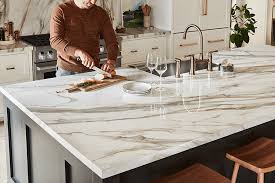
Concrete countertops offer industrial appeal and can be cast in custom shapes for a one-of-a-kind creation. Still, they demand sealing to resist stains. Marble is synonymous with luxury and adds a bright, classic atmosphere to any kitchen. However, it is less resistant to acids, scratches, and stains, so it is best suited to homes where gentle upkeep is possible.
Emerging Trends
The selection of kitchen surfaces is evolving with new trends that emphasize both functionality and style. In recent years, homeowners have prioritized materials that balance long-lasting performance with low maintenance and striking appearance. Durable, easy-care surfaces, such as quartz and concrete, are becoming increasingly prevalent, especially as open-plan kitchens demand strong visual continuity between living and cooking areas.
Another notable trend is sustainability, with recycled materials and ethically sourced stones increasingly featured in more modern homes. Mixed-material surfaces, where, for instance, a butcher block island is paired with a quartz perimeter, allow for creative combinations that elevate both aesthetics and usability. As kitchen renovation efforts aim to boost home value and improve usability, your countertop choice is a critical foundation for the overall experience.
Making Your Decision
Ultimately, selecting the right countertop is a personal process that should reflect your budget, needs, and taste. Think about how often you cook, which maintenance fits your lifestyle, and which style energizes your kitchen the most. Visiting showrooms or consulting with a designer can help you visualize materials in person, but practical factors like durability and maintenance should be weighed as well. By applying the points outlined above and comparing all your options, you can confidently choose a countertop that enhances your kitchen’s appeal and stands the test of time.
Conclusion
Choosing the right kitchen countertop requires careful consideration of style, durability, maintenance, and budget. Each material offers unique advantages, such as the natural beauty and strength of granite or the low maintenance and stain resistance of quartz. It’s important to weigh practical factors, such as cost and everyday use, alongside visual appeal. By understanding the performance of different surfaces, homeowners can make informed decisions that enhance both the functionality and design of their kitchens.