




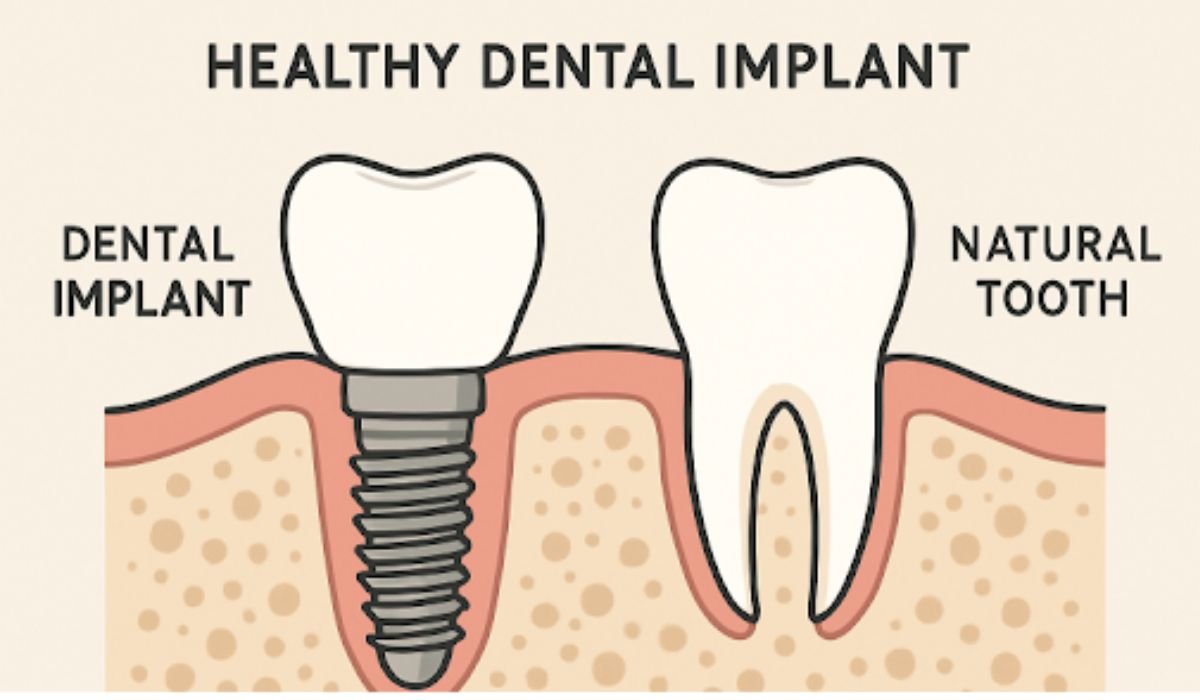
Recent progress in dental implantology offers patients more than just functional tooth replacement. The evolution of these techniques has led to reduced invasiveness, faster healing, and improved long-term outcomes. Whether due to injury, decay, or age, missing teeth can significantly impact quality of life. Today, cutting-edge solutions are making lasting smiles more accessible than ever. Clinics such as the Pikos Institute are at the forefront of implementing these advancements, combining scientific innovations with personalized patient care.
From smaller implants to bioactive enhancements, modern options provide customized answers for individuals who once faced limited choices. Patients who may have struggled with traditional tooth replacement procedures now benefit from a broader range of alternatives adjusted to their unique needs, often with minimal discomfort and impressive speed. As dental technology continues to advance, both clinicians and recipients are achieving better results and fewer complications.
Mini Dental Implants
Mini dental implants offer a solution for patients with insufficient bone density or who prefer a less invasive procedure. Measuring about half the diameter of conventional implants, mini implants can often be installed in a single visit, typically involving less surgical intervention. These characteristics make them an ideal choice for stabilizing dentures or supporting the replacement of smaller teeth, particularly when a larger implant is not feasible. Their reduced size and simpler placement make implant options available to a broader population.
Zirconia Implants
The majority of dental implants are composed of titanium due to its durability and compatibility with bodily tissues. Still, some individuals are sensitive or allergic to metals. Zirconia implants, crafted from high-strength ceramics, present a metal-free option. They offer not only enhanced biocompatibility but also improved esthetics, especially in the anterior (front) region of the mouth. Current surface modifications support osseointegration, allowing both titanium and zirconia implants to bond to the jawbone more quickly and securely. This accelerates healing, increases implant longevity, and supports natural appearance, which is vital for patient confidence.
Robotic-Assisted Implant Surgery
Dentistry is seeing remarkable integration of robotics and artificial intelligence. Robotic-assisted implant surgery involves digital planning software to create highly accurate surgical guides. These systems can analyze 3D scans, anticipate potential complications, and help develop treatment plans tailored to each individual. In some cases, robotic arms physically assist during the procedure, guiding the surgeon for maximum precision and minimizing human error. This technology is especially significant when multiple implants are needed or anatomical structures present challenges, making procedures safer and more predictable for patients and clinicians alike.
Computer-Guided Surgery
Computer-guided dental implant surgery leverages advanced imaging and 3D modeling, permitting clinicians to pre-plan every aspect of implant placement. Using digitally designed surgical guides, dentists can set the exact angle, depth, and location of each implant through a virtual simulation of the patient’s jaw. This strategy enhances safety and accuracy, lowers operating times, and typically results in less post-surgical pain and swelling. This digital workflow is a game-changer in ensuring optimal placement, especially for individuals with complex needs.
Digital Impressions
One of the significant leaps in patient comfort and precision comes from digital impressions, which use high-resolution scanners to capture detailed images of the teeth and gums. Unlike traditional molds, which can be messy and uncomfortable, digital impressions are quick and noninvasive. These scans provide more precise data, decreasing the number of adjustments required for crowns, bridges, or implant fixtures. The streamlined process reduces both errors and overall treatment time, leading to positive patient experiences and more predictable prosthetic outcomes.
Advancements in Dental Implant Techniques for Modern Oral Health
Recent progress in dental implantology offers patients more than just functional tooth replacement. The evolution of these techniques has led to reduced invasiveness, faster healing, and improved long-term outcomes. Whether due to injury, decay, or age, missing teeth can significantly impact quality of life. Today, cutting-edge solutions are making lasting smiles more accessible than ever. Clinics such as the Pikos Institute are at the forefront of implementing these advancements, combining scientific innovations with personalized patient care.
From smaller implants to bioactive enhancements, modern options provide customized answers for individuals who once faced limited choices. Patients who may have struggled with traditional tooth replacement procedures now benefit from a broader range of alternatives adjusted to their unique needs, often with minimal discomfort and impressive speed. As dental technology continues to advance, both clinicians and recipients are achieving better results and fewer complications.
Mini Dental Implants
Mini dental implants offer a solution for patients with insufficient bone density or who prefer a less invasive procedure. Measuring about half the diameter of conventional implants, mini implants can often be installed in a single visit, typically involving less surgical intervention. These characteristics make them an ideal choice for stabilizing dentures or supporting the replacement of smaller teeth, particularly when a larger implant is not feasible. Their reduced size and simpler placement make implant options available to a broader population.
READ ALSO: How Same-Day Implant Procedures Are Changing Smile Restoration
Zirconia Implants
The majority of dental implants are composed of titanium due to its durability and compatibility with bodily tissues. Still, some individuals are sensitive or allergic to metals. Zirconia implants, crafted from high-strength ceramics, present a metal-free option. They offer not only enhanced biocompatibility but also improved esthetics, especially in the anterior (front) region of the mouth. Current surface modifications support osseointegration, allowing both titanium and zirconia implants to bond to the jawbone more quickly and securely. This accelerates healing, increases implant longevity, and supports natural appearance, which is vital for patient confidence.
Robotic-Assisted Implant Surgery
Dentistry is seeing remarkable integration of robotics and artificial intelligence. Robotic-assisted implant surgery involves digital planning software to create highly accurate surgical guides. These systems can analyze 3D scans, anticipate potential complications, and help develop treatment plans tailored to each individual. In some cases, robotic arms physically assist during the procedure, guiding the surgeon for maximum precision and minimizing human error. This technology is especially significant when multiple implants are needed or anatomical structures present challenges, making procedures safer and more predictable for patients and clinicians alike.
Computer-Guided Surgery
Computer-guided dental implant surgery leverages advanced imaging and 3D modeling, permitting clinicians to pre-plan every aspect of implant placement. Using digitally designed surgical guides, dentists can set the exact angle, depth, and location of each implant through a virtual simulation of the patient’s jaw. This strategy enhances safety and accuracy, lowers operating times, and typically results in less post-surgical pain and swelling. This digital workflow is a game-changer in ensuring optimal placement, especially for individuals with complex needs.
Digital Impressions
One of the significant leaps in patient comfort and precision comes from digital impressions, which use high-resolution scanners to capture detailed images of the teeth and gums. Unlike traditional molds, which can be messy and uncomfortable, digital impressions are quick and noninvasive. These scans provide more precise data, decreasing the number of adjustments required for crowns, bridges, or implant fixtures. The streamlined process reduces both errors and overall treatment time, leading to positive patient experiences and more predictable prosthetic outcomes.
YOU MAY ALSO LIKE: Dental Implants: Common Questions and Concerns Answered