




As industries evolve at a breakneck pace, the value of continuous learning for career growth has never been clearer. Professionals aiming to excel in their fields are increasingly seeking ways to keep their knowledge current and adapt to ever-changing technologies. In this dynamic environment, integrating learning into professional life can open doors to new roles, foster job security, and cultivate long-term employability. To stay competitive and future-proof your career, prioritizing continuous development is essential. The commitment to upskilling can be supported through resources such as the MSU Innovative Learning portal, which provides flexible pathways for lifelong education tailored to modern working professionals.
Continuous learning is more than an organizational buzzword; it represents a practical approach to bridging skills gaps and meeting the demands of a fast-changing workforce. With employers placing increasing emphasis on ongoing development, investments in learning modestly today can deliver substantial benefits for the remainder of one’s career. Embedding educational opportunities into daily routines helps individuals remain agile and connected to industry trends, laying the groundwork for sustained professional growth.
The Importance of Continuous Learning
Today’s workplace landscape is defined by disruption and innovation, spurred by advancements such as automation and artificial intelligence. Industries from healthcare to finance are reshaping the way work is performed, and employees who adapt quickly are positioned for greater success. A major edX survey found that 70% of respondents, including 78% of managerial professionals, consider upskilling vital for maintaining job security. As businesses adopt new technologies, the demand for adaptable, skilled talent is rising in tandem.
Employers want agile professionals who can learn, unlearn, and relearn as industries progress. Lifelong learning thus becomes a strategic necessity rather than a luxury, with those investing in their skills commanding a competitive edge and enhanced job prospects over time.
Employer Initiatives in Upskilling
Leading organizations recognize the business case for supporting employee development and are taking proactive steps to foster a culture of learning. For example, Cisco has committed to training one million Americans in AI and digital skills over the coming years, a goal central to its “Learn with Cisco” initiative. Such efforts demonstrate a company’s intention to build internal talent pipelines and future-proof their operations, ensuring employees are empowered to grow alongside evolving business strategies.
Integrating Learning into Daily Work
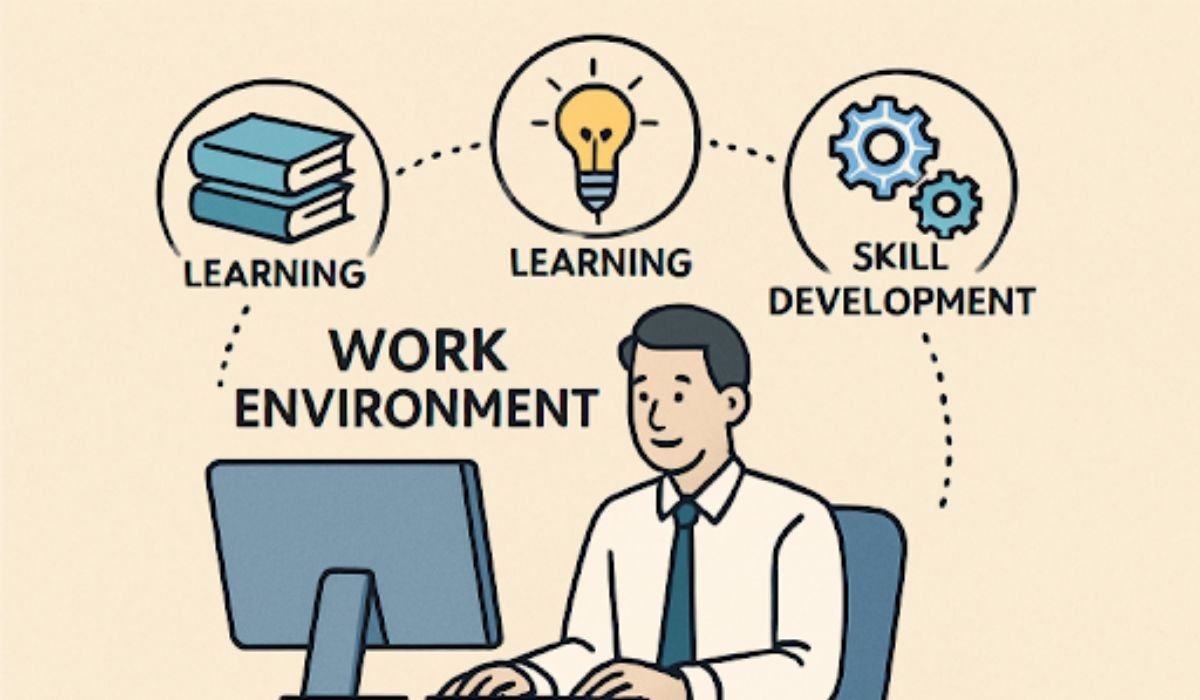
Many businesses are embedding training directly into workflows, paving the way for “just-in-time” learning solutions tailored to real-world challenges. Instead of traditional once-a-year seminars, employees now have access to on-demand resources and learning modules relevant to their daily roles. This hands-on approach not only drives meaningful skill development but also enhances organizational competitiveness and employee engagement. When learning becomes part of routine tasks, individuals can close skill gaps efficiently, benefiting both their immediate job performance and their longer-term career trajectories.
Real-time learning opportunities foster a sense of empowerment, allowing employees to personalize their educational journeys. By facilitating the immediate application of new knowledge, organizations foster a culture of continuous learning in which workers evolve to meet business needs.
Micro-Credentials and Personalized Learning
One of the most impactful trends in workforce development is the rise of micro-credentials. These are concise, targeted certifications focused on the specific competencies employers seek. According to a Coursera study, 95% of employers now favor job seekers who hold micro-credentials when making hiring decisions. As demand for job-ready skills grows, these “stackable” credentials offer a direct, pragmatic route to demonstrating expertise. With the proliferation of online platforms, gaining specialized knowledge is more accessible than ever, empowering individuals to tailor their learning based on immediate job requirements and long-term ambitions.
Challenges in Continuous Learning
Despite an overwhelming consensus on its importance, barriers to continuous learning remain. Surveys by Pluralsight indicate that while most organizations value cultivating a learning culture, nearly all technology professionals report needing greater support in this area. The most common constraint is a lack of designated time during work hours for professional development, with less than half of organizations allocating structured time for learning. Overcoming these obstacles requires not only individual discipline but also organizational commitment to allocating time and resources. Strategies to mitigate these barriers can include securing leadership buy-in, creating shared learning agendas, and incentivizing participation.
Benefits of Continuous Learning
Investing in ongoing education pays dividends both in career satisfaction and professional growth. Key advantages include:
- Career Advancement: Mastering new skills or tools can directly lead to promotions, new responsibilities, or lateral moves within organizations.
- Job Security: Professionals who continuously upskill are better protected from layoffs or obsolescence, remaining indispensable amidst change.
- Increased Satisfaction: Taking initiative to learn fosters purpose and engagement, reigniting motivation and making daily work more fulfilling.
Final Thoughts
In an era defined by accelerated change and innovation, continuous learning is indispensable for professionals seeking career advancement and stability. Those who embrace a lifelong learning mindset can navigate evolving industries confidently and meet the expectations of modern employers. By making ongoing learning a central career strategy, individuals equip themselves to realize their ambitions, remaining resilient and adaptable as new opportunities and challenges arise.
YOU MAY ALSO LIKE: Career Achievements That Align with Buying Guntersville Lake Homes for Sale