





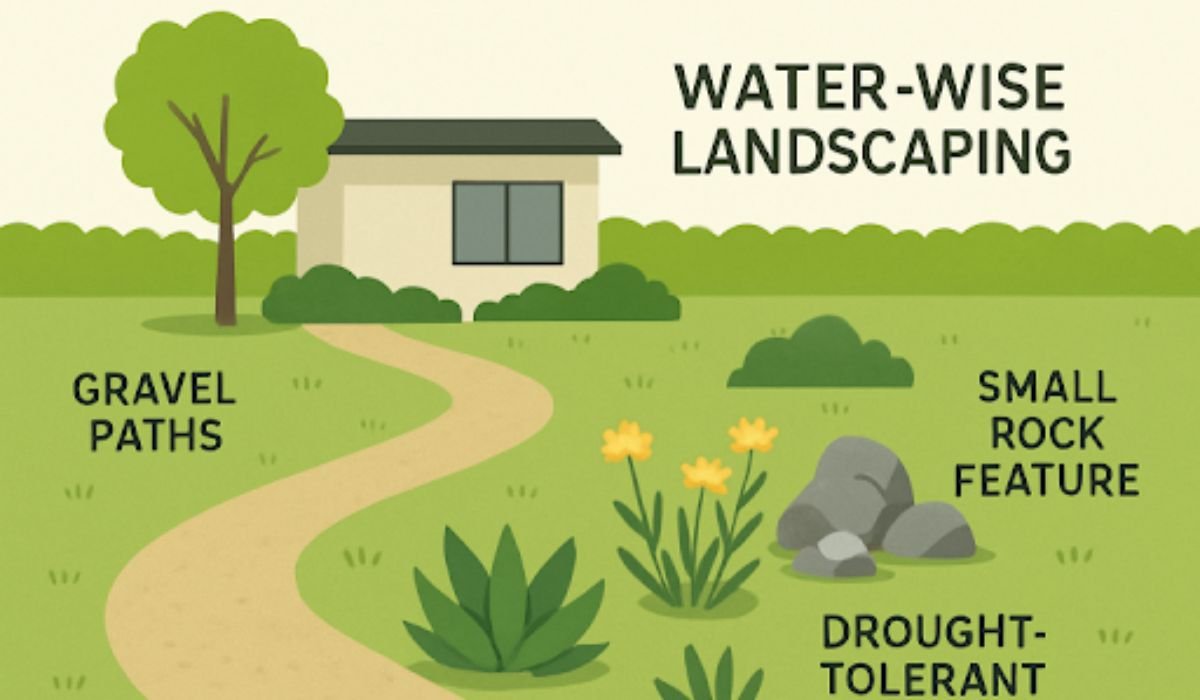
Homeowners are increasingly seeking ways to create beautiful, low-maintenance yards that can withstand dry spells and rising temperatures. By embracing drought-resilient landscaping, you can achieve a lush outdoor retreat while conserving resources and supporting sustainable practices. Incorporating proven strategies, such as installing water-efficient features and choosing smart plant varieties, will help your garden thrive—even during periods of limited rainfall. For residents seeking expert assistance, exploring lawn services Keller can provide customized solutions for transforming local properties.
Modern drought-resilient landscapes not only lower your water bills but also foster a connection to your region’s environment. This approach supports biodiversity, enhances curb appeal, and reduces the time spent on upkeep. Whether you’re looking to refresh a small urban garden or overhaul a spacious yard, drought-smart landscaping delivers functional beauty that lasts.
Understanding Drought-Resilient Landscaping
Drought-resilient landscaping, also known as xeriscaping, is a holistic approach to outdoor design that prioritizes water-smart strategies at every stage. This style of landscaping focuses on selecting plants that thrive with minimal watering, enhancing soil health, and utilizing efficient irrigation solutions. By implementing these concepts, you can create a sustainable, low-maintenance garden that remains vibrant as water becomes a more precious resource. According to the U.S. Environmental Protection Agency, outdoor water use can account for up to 30% of a household’s total consumption, making responsible yard design one of the most effective ways to minimize water waste.
Choosing the Right Plants
The foundation of any drought-resilient garden is in plant selection. Opt for varieties with natural resistance to arid conditions—or better yet, those indigenous to your area. These species are naturally suited to cope with heat and drought, making them reliable choices for low-maintenance landscaping. Top contenders include:
- California Fuchsia (Epilobium canum): Highly attractive to hummingbirds, this vivid perennial produces fiery, trumpet-shaped blooms from summer into fall and requires little beyond full sun and well-drained soil.
- Texas Ranger (Leucophyllum frutescens): This resilient shrub is seldom bothered by pests or disease, features delightful silvery foliage, and offers spectacular purple blossoms—especially after rain showers.
- Bear’s Breeches (Acanthus mollis): Mediterranean in origin, it yields bold foliage and dramatic flower spikes that shine as focal points in water-wise beds. Once established, it quickly bounces back from dry periods.
- Blue Chalksticks (Senecio serpens): A compact succulent, its powdery blue stems form a dense, eye-catching groundcover ideal for filling spaces or spilling from decorative containers.
Mixing these species throughout your yard not only curbs water use but also delivers a dynamic palette of color, texture, and form year-round.
Smart Irrigation Techniques
Modern irrigation solutions can make a substantial difference in yard sustainability. A few key techniques include:
- Drip Irrigation: Drip systems release water gradually and directly to plant roots, reducing both evaporation and waste. Automated timers further ensure optimum delivery.
- Rainwater Harvesting: Setting up barrels or cisterns to collect rainfall provides an eco-friendly supply for your garden—critical during municipal drought restrictions.
- Strategic Watering: Watering plants deeply but less often encourages roots to grow downward, making them more resilient during dry spells. Early morning or late evening watering also minimizes evaporation.
Sensor-driven irrigation systems, which adjust output based on soil moisture and weather conditions, provide another sophisticated option for maximizing efficiency.
Incorporating Hardscaping Elements
Integrating hardscape features such as gravel paths, permeable paving, and rock gardens amplifies both the style and functionality of your landscape. Reducing grassy areas in favor of patios or stone accents dramatically lowers water needs. Gravel, in particular, helps retain soil moisture and prevents rapid evaporation around drought-tolerant plants, further aiding in water conservation. Combining these elements with carefully chosen plantings creates outdoor spaces that are both sustainable and visually compelling.
Benefits of Native Plants
Embracing native plant species in your garden is an investment in local ecology and long-term resilience. Primary benefits include:
- Adaptability: Native plants have evolved to match the rainfall, temperature swings, and soil profiles of your region, so they require less supplemental watering and care.
- Wildlife Habitat: These plants provide essential food and shelter for native pollinators, birds, and beneficial insects, supporting healthier, more vibrant ecosystems.
- Healthy Soils: The deep roots of many native plants enhance soil structure and stability, reducing runoff and erosion, and naturally increasing the ground’s drought resistance.
By transitioning your yard to include more regionally appropriate plants, you’ll find gardening simpler while contributing to the ecological well-being of your area.
Maintaining Your Drought-Resilient Yard
A thoughtfully designed, drought-resilient garden requires less intervention than traditional landscapes, but ongoing care is still vital. Maintenance best practices include:
- Mulching: Apply a thick layer of organic mulch around your plants to lock in moisture, reduce weed growth, and enrich the soil as it decomposes.
- Pruning: Regularly trim plants to support healthy development and remove dead or diseased material, promoting better airflow and water use.
- Soil Enrichment: Periodically check soil health and supplement with compost to maintain fertility and resilience against drought stress.
Consistent, minimal upkeep will help your landscape remain attractive and resilient regardless of weather conditions.
Conclusion
Building a drought-resilient landscape is both a smart investment and a meaningful step toward sustainability. By intentionally selecting regionally appropriate plants, adopting efficient irrigation systems, and integrating attractive hardscape elements, you can create a yard that flourishes even in the driest seasons. These strategies lead to substantial water savings, a healthier environment, and a stunning outdoor space you’ll be proud of for years to come. Start planning today to make your dream of a water-wise, vibrant garden a reality.
YOU MAY ALSO LIKE: Innovative Fence Ideas for Modern Outdoor Spaces