




Today’s travelers expect far more than a static guidebook tucked inside their daypack. Digital travel guides are transforming how people experience the world by delivering real-time insight, personalization, and immersive tools that shape every stage of a journey. In a world where information is instantaneously available, the ability to adapt and stay well-informed is invaluable while traveling. Exploring new destinations through digital resources, including self guided walking tours, helps globetrotters navigate unfamiliar cultures in a way that is both meaningful and convenient. The modern travel experience, with a digital guide in hand, is no longer limited by outdated information or the burden of carrying bulky books. Instead, travelers now possess a virtual companion that evolves with their needs and circumstances, providing guidance, inspiration, and reassurance as they explore the unknown.
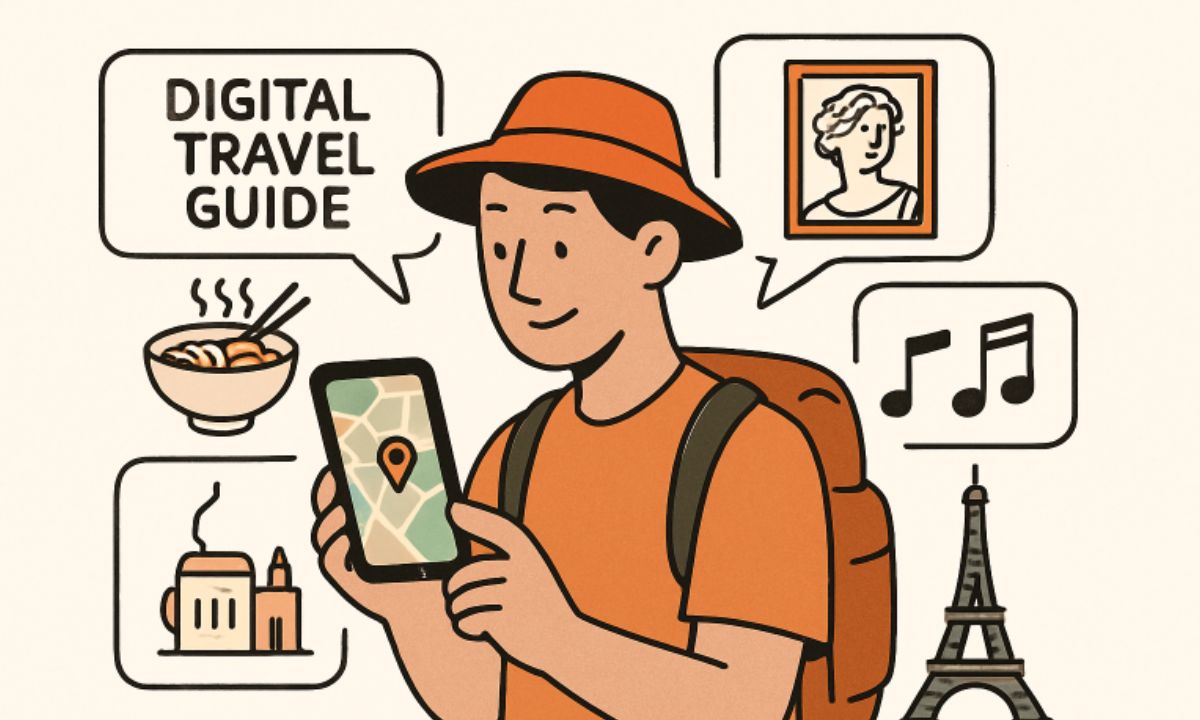
With customization options, multimedia integration, and offline access, digital travel guides have become indispensable companions for adventurers and casual tourists alike. These tools elevate travel beyond basic sightseeing, allowing individuals to design experiences tailored to their interests while staying up to date with the latest local information. Many platforms let you set your preferences for food, art, history, or adventure, ensuring your itinerary is unique to you. This personalization transforms journeys into memorable stories, filled with activities that resonate deeply. As a result, even first-time explorers can dive into foreign cultures with confidence, learning and experiencing much more than what traditional resources can offer.
The Rise of Digital Travel Guides
The transition from printed guidebooks to digital guides marks a significant shift in travel behavior. As reported by the New York Times, physical guidebook sales have dropped sharply since the late 2000s, reflecting a shift toward more dynamic, adaptive, and easily updated resources. Today’s traveler relies on mobile phones, tablets, and even wearable devices to find the best eateries, uncover hidden local gems, and avoid tourist traps. With the increasing prevalence of smartphones globally, almost anyone can access recommendations for accommodations, dining, and sightseeing, often from the palm of their hand and in their native language.
Digital travel guides empower users with the latest information, integrating crowdsourced updates and curated content from experts and locals. This real-time approach ensures travelers make informed decisions and connect more confidently with the cultures and customs that define each destination. For the modern voyager, these digital resources are not just convenient; they are essential, reducing uncertainty and opening doors to unexpected experiences that might have otherwise been missed.
Integration of Multimedia Elements
Modern digital travel guides extend far beyond basic text descriptions. Increasingly, platforms are integrating multimedia such as interactive maps, high-definition videos, immersive audio walking tours, and augmented reality overlays. These features allow travelers to visualize landmarks, preview experiences, and even practice local phrases before arrival. By integrating virtual and augmented reality experiences, guides can help users “walk” through attractions before they even arrive, providing a sense of comfort and familiarity.
Interactive content creates a sense of anticipation and confidence, making it easier to navigate new locales and gain a deeper understanding of historical context or cultural significance. The integration of multimedia allows for instant translation, pronunciation tips, and more, helping users feel prepared and knowledgeable about their surroundings. Even accessibility features, such as audio descriptions for visually impaired travelers, are increasingly included, ensuring everyone can participate in the adventure.
Offline Accessibility
Traveling often brings unique connectivity challenges, especially in remote regions or countries where roaming fees can be prohibitive. Many digital guides now offer robust offline features, enabling users to download maps, reference guides, and itineraries in advance. The confidence that comes from knowing important information is available, no matter the setting, allowing travelers to venture further and try more adventurous routes.
This offline capability is vital for those venturing to rural villages, hiking trails, or distant archaeological sites. It ensures critical knowledge is always at hand, improving safety and reducing the stress that can sometimes come with exploring unfamiliar territory. In fact, the peace of mind that offline access brings has enabled more people to embark on self-guided adventures, empowering a new generation of solo travelers and explorers who are comfortable getting off the beaten path.
Real-Time Updates and Interactive Content
Unlike printed guidebooks, digital travel guides are constantly updated with the latest information. Features such as real-time weather updates, local transportation schedules, and last-minute event listings ensure that travelers remain well-informed throughout their journey. Handy push notifications alert users to changes in hours, closures, or emerging must-see happenings. This connectivity to up-to-the-minute details means even frequent travelers can keep discovering surprises in a familiar destination.
Final Thoughts
Digital travel guides are rapidly becoming the standard for informed and immersive cultural exploration. Their ability to provide tailored recommendations, integrate multimedia experiences, and deliver information both online and off ensures that adventures are as seamless as they are enriching. As technology continues to evolve, travelers can look forward to even more innovative ways to connect with new places and cultures on a deeper level, making the entire journey before, during, and after more rewarding and memorable. By embracing the digital revolution in travel guidance, explorers everywhere are now empowered to immerse themselves more fully, connect with locals, and shape journeys that are uniquely their own, regardless of destination or experience level.