




Taking your toddler to the dentist for the first time? It’s more than just another appointment, it’s a pivotal moment that can shape how they feel about dental care for years to come. Most dental professionals suggest booking that first visit when your little one’s first tooth makes its debut or by their first birthday, whichever happens first. This early introduction does more than just check a box; it helps your child get comfortable with the dental environment while allowing the dentist to keep tabs on their tooth development from day one. When you prepare thoughtfully for this visit, you’re not just reducing stress for the day, you’re building a foundation of trust and comfort that’ll make every future appointment easier.
Scheduling the Appointment at the Right Time
Here’s something many parents learn the hard way: timing really is everything when it comes to that first dental visit. You’ll want to aim for a time when your toddler is well-rested and fed, definitely steer clear of nap times or those tricky late afternoon hours when crankiness tends to strike. Morning slots often hit the sweet spot since kids are typically more cooperative and alert before lunch. But don’t forget about your own schedule in the equation.
Preparing Your Toddler Emotionally and Mentally
Getting your child excited (or at least comfortable) about the dentist starts well before you walk through those office doors. In the days or weeks leading up to the appointment, weave the topic into your conversations naturally and positively. Grab some age-appropriate books about dental visits, the ones with friendly dentists and happy endings work wonders for normalizing the whole experience. Turn tooth-counting into a game at home, taking turns playing dentist with a toothbrush.
Gathering Essential Documents and Information
Nobody wants to spend their child’s first dental visit scrambling for paperwork, so let’s get organized ahead of time. Round up your insurance cards, identification, and any forms the dental office sent you, knock those out before appointment day if possible. Jot down your toddler’s medical history, including any medications they’re taking, allergies you’re aware of, or health conditions that might matter during dental treatment. Maybe you’ve noticed something specific, thumb-sucking, teeth grinding, prolonged bottle use, or unusual spots on their teeth? Write those concerns down so you don’t forget to mention them. When you’re looking for someone who really knows how to work with young children, parents often find a local pediatric dentist in Oceanside that offers exactly the kind of child-focused environment and specialized expertise that makes these early visits feel less intimidating and more successful. Draft a list of questions you want answers to, things like fluoride treatments, the right brushing technique for their age, or what foods support healthy teeth development. And if your little one has had any dental injuries or emergencies, document those with dates and what happened so you can give the dentist the full picture.
What to Bring for Comfort and Distraction
Think of this as packing a small security blanket, quite literally in some cases. Toss together a compact bag with items that’ll help your toddler feel grounded in this new environment. Their favorite small toy, that beloved stuffed animal, or the blanket they can’t sleep without, these familiar friends provide emotional anchoring when everything else feels unfamiliar. A sippy cup filled with water is smart to have on hand for after the examination, but hold off on sugary drinks or snacks right before the appointment.
Understanding What Happens During the First Visit
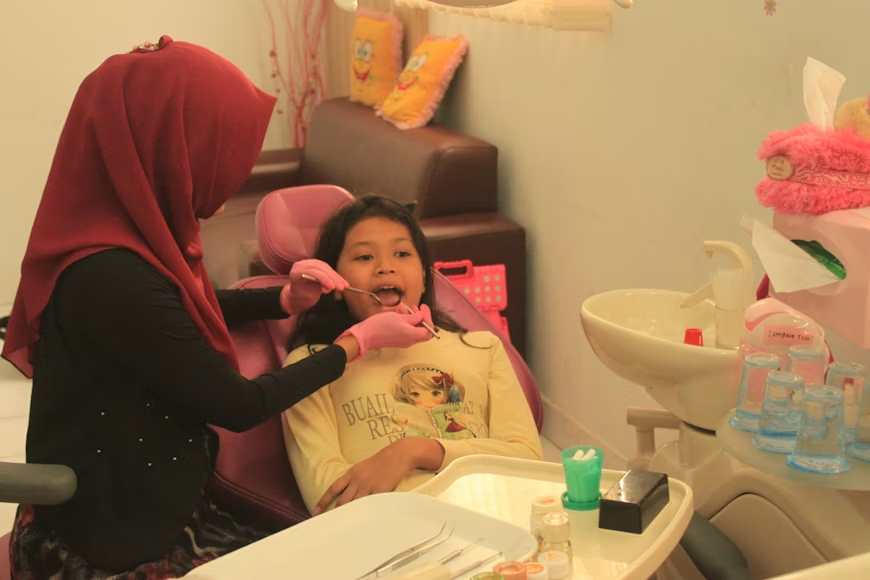
Walking into that first appointment feels a lot less daunting when you know what to expect. The dentist will typically start by simply chatting and getting to know your toddler, no scary tools or sudden moves, just friendly conversation to build comfort. Your child might begin the exam sitting on your lap in the dental chair, which provides that crucial sense of security during those first few minutes. The dentist will gently examine their teeth, gums, and mouth, counting teeth and checking for any early signs of cavities or developmental concerns worth monitoring.
Post-Visit Follow-Up and Establishing Good Habits
Once you’ve wrapped up the appointment, your work isn’t quite done, but the next steps are actually the fun part. Shower your child with praise for how they handled the visit, maybe celebrating with a special activity or extra story time (skip the sugary treats as rewards if you can). Before you leave the office, go ahead and schedule that next check-up, typically they’ll want to see your toddler again in about six months to keep tabs on their tooth development. That same day, while everything’s still fresh in your mind, review the dentist’s recommendations and start implementing any tweaks to your oral hygiene routine right away.
Conclusion
When you prepare thoughtfully for your toddler’s first dental visit, you’re doing so much more than just checking off a milestone. You’re laying the groundwork for a lifetime of positive dental experiences and strong oral health habits. Strategic scheduling, emotional preparation, organized paperwork, and realistic expectations transform what could be a stressful ordeal into an empowering experience for both of you. The relationship your child builds with dental care during these early years will significantly influence their attitude toward oral hygiene throughout their life.