




Divorce is a life-altering event that can significantly impact your long-term financial outlook. For most couples, retirement savings represent one of the most significant shared assets accumulated over a lifetime. The division of these assets not only impacts one’s immediate financial security but can also create unforeseen challenges as individuals transition toward retirement. Understanding the complications associated with separating retirement accounts—and the legal and practical steps involved—prepares you for a more stable future. For example, many couples facing this process seek support, such as a settlement agreement Red Nank, NJ, to reach fair and clear resolutions regarding pensions and other vital assets.
Without proper planning, parties risk losing significant savings, lowering retirement standards. Emotional stress, legal issues, and unfamiliar financial products worsen the strain. Challenges increase for women, who face greater losses and barriers post-divorce. Tax issues, Social Security, and dividing 401(k)s or IRAs can be overwhelming. Navigating this requires legal advice and financial planning to recover and rebuild retirement funds. Informed decisions differentiate between hardship and stability later in life. Experts emphasize that thorough planning—both for division and rebuilding—is vital to manage the financial impact of divorce.
Division of Retirement Assets
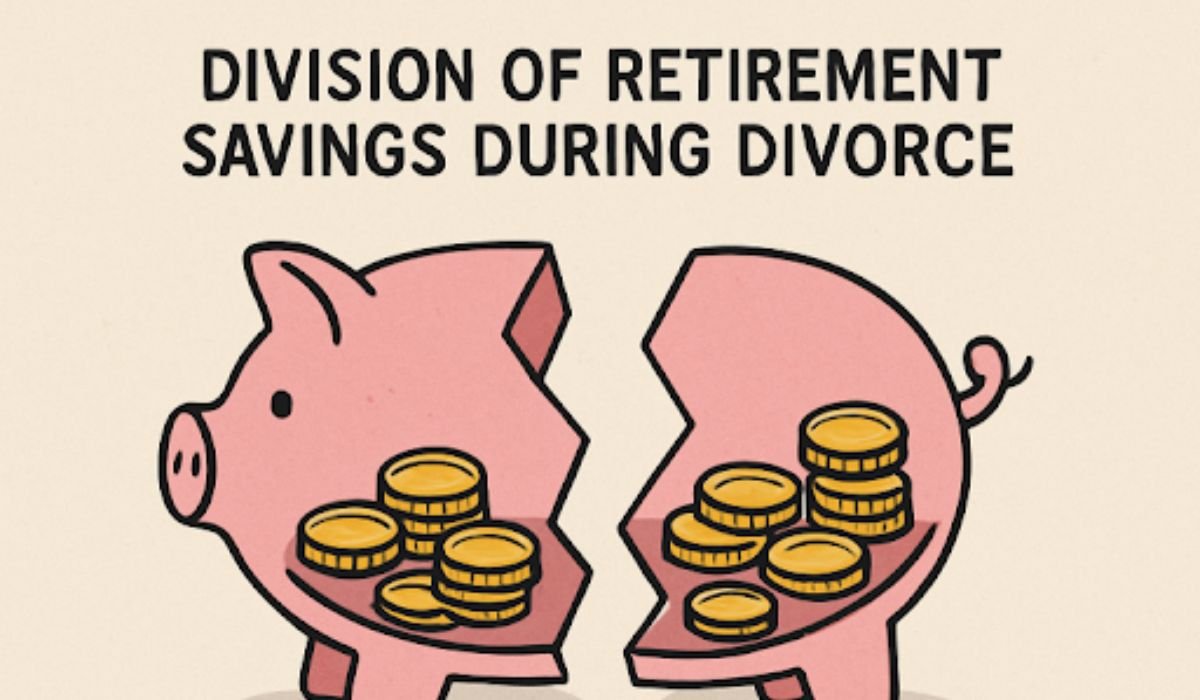
Upon the dissolution of a marriage, splitting up retirement accounts often results in a substantial financial loss for both spouses. Each party may end up with less than anticipated, as assets are not only divided but could also be subject to penalties or tax implications if not managed properly. According to the Center for Retirement Research at Boston College, the likelihood of being unable to sustain a pre-retirement standard of living increases by seven percentage points post-divorce—an impact similar to weathering a major economic downturn.
The distribution of assets can depend on various factors, including prenuptial agreements, state laws, and negotiations between the divorcing parties. Common plans subject to division include 401(k)s, IRAs, and pensions, which might be split evenly or according to the court’s ruling on what is equitable.
Impact on Women’s Retirement Security
Statistically, women experience a disproportionate fall in post-divorce household income—averaging a 41% drop compared to men, who face a 23% fall, per research from the U.S. Government Accountability Office. Several factors contribute: women are more likely to have spent years out of the workforce providing care, may possess less in their personal retirement accounts, and often earn less overall. As a result, divorced women are more likely to face poverty and retirement insecurity.
Persistent wage gaps and fewer years in the workforce translate into lower Social Security benefits and smaller private retirement balances—factors that compound the impact of asset division during divorce.
Legal Processes for Dividing Retirement Accounts
Dividing retirement assets is not as simple as writing a check. Legal requirements such as Qualified Domestic Relations Orders (QDROs) mandate a precise process, especially for employer-sponsored plans like 401(k)s or defined benefit pensions. QDROs specify how much of a retirement plan is to be transferred to a non-employee spouse, who then assumes the tax responsibilities for the distributed portion. Mistakes or delays here can result in expensive penalties or even the loss of entitlement. Guidance by professional attorneys or financial planners specializing in divorce is essential for navigating these complex steps.
Social Security Benefits After Divorce
Many retirees are surprised to learn they may be eligible for Social Security benefits based on their ex-spouse’s work record, provided the marriage lasted at least 10 years, and specific criteria are met. However, lack of awareness means that many divorced individuals do not claim the benefits to which they’re entitled—potentially missing out on thousands of dollars over a lifetime. It’s essential to consult the Social Security Administration’s resources or work with a financial advisor to optimize retirement income after divorce.
Strategies to Mitigate Financial Impact
To mitigate the financial impact, immediate engagement with a financial advisor is crucial. These professionals can help with asset valuation, tax planning, and long-term rebuilding strategies. Adjusting your retirement contributions upward—even marginally—can help compensate for divided assets. Updating your asset allocation to fit your new risk profile and timeline is equally essential. Additionally, ensure that beneficiary designations on all accounts are up to date to reflect your current wishes.
- Consult with a certified divorce financial analyst or strategist.
- Thoroughly review and update legal documents, including wills and trusts.
- Track and contest any overlooked retirement benefits from previous employers.
Importance of Financial Planning
Recovering from divorce, especially late in your career, calls for strict budgeting, reassessment of investment strategy, and the establishment of a new emergency fund. Seeking ongoing advice from a financial advisor is recommended to recalibrate your savings plan, avoid common pitfalls, and take advantage of catch-up contributions when available.
Conclusion
The financial repercussions of divorce are often far-reaching; however, understanding the division process, your rights, and avenues for recovery is crucial for safeguarding your retirement. Seek professional guidance early, stay informed on legal details, and proactively update your financial strategies to secure your future.