




Key Points
- Logistics remains essential for business success: In an era of rapid e-commerce growth and global trade, efficient logistics can reduce costs by up to 20% while improving customer satisfaction, though challenges like supply chain disruptions persist.
- Tech-driven solutions are transforming the field: Tools such as AI for predictive analytics and cloud-based systems seem likely to enhance real-time tracking and inventory accuracy, addressing common bottlenecks without overwhelming small operations.
- Sustainability is increasingly integrated: Practices like electric fleets and optimized routing appear to balance environmental goals with efficiency, though adoption varies based on business size and resources.
- Scalability for SMEs is achievable: Evidence suggests that affordable software and strategic partnerships can help smaller enterprises streamline warehouse management and last-mile delivery, even amid economic uncertainties.
Understanding Modern Logistics
Logistics involves coordinating the movement of goods from origin to destination, encompassing everything from procurement to delivery. For supply chain managers and SME owners, it means balancing cost, speed, and reliability. Think of it like orchestrating a symphony: each element, from inventory to transportation, must harmonize to avoid discord.
Common Challenges and Tech Solutions
Bottlenecks often arise in real-time tracking and inventory control, leading to delays or excess stock. Tech solutions, such as warehouse management systems (WMS) and AI-powered tools, can mitigate these. For instance, cloud-based platforms provide visibility, reducing errors by automating data entry.
Practical Steps for Optimization
Start with assessing your current processes, then integrate digital tools gradually. Focus on areas like freight forwarding and distribution networks to build resilience. Relatable example: A small e-commerce business might use automated fulfillment to cut shipping times, much like organizing a home pantry for quick access.
In 2026, with global trade rebounding and e-commerce surging, efficient logistics has never been more critical. Did you know that the global logistics market is projected to grow from around $5.65 trillion in 2024 to over $8 trillion by 2033, driven largely by technological advancements? This growth highlights how mastering logistics can transform your supply chain from a cost center into a competitive advantage. Whether you’re a supply chain manager juggling complex networks or an SME owner seeking simpler ways to handle deliveries, this guide demystifies modern logistics and spotlights tech-driven solutions to common pain points like real-time tracking and inventory accuracy.
Introduction to Logistics
Logistics is the backbone of any supply chain, involving the planning, implementation, and control of the efficient flow and storage of goods, services, and information from point of origin to point of consumption. It’s not just about moving boxes: it’s about ensuring everything arrives on time, in the right condition, and at the optimal cost.
In today’s landscape, logistics encompasses several key components. Procurement strategy kicks things off by sourcing materials effectively, often using data analytics to predict needs and negotiate better terms. Then comes transportation management, which handles the modes of movement, whether by road, rail, air, or sea. Warehouse management systems (WMS) play a crucial role in storing and organizing inventory, while distribution networks ensure goods reach their final destinations. For tech-focused professionals, integrating digital tools here can automate much of the process, reducing human error and speeding up operations.
Consider a relatable scenario: Imagine running a coffee shop where beans arrive late due to poor planning. That’s a logistics fail. Now picture using an app that tracks shipments in real time, alerting you to delays so you can switch suppliers seamlessly. That’s the power of modern logistics in action.
How Logistics Works: Breaking Down the Process
At its core, logistics operates through a series of interconnected steps, each optimized for efficiency. It starts with demand forecasting, where data from past sales and market trends helps predict inventory needs. Next, inventory control comes into play, maintaining the right stock levels to avoid overstocking (which ties up capital) or understocking (which leads to lost sales).
Transportation then takes center stage. Freight forwarding coordinates international shipments, handling customs and compliance, while last-mile delivery focuses on the final leg to the customer, often the most expensive part. Cold chain logistics adds another layer for temperature-sensitive goods, like pharmaceuticals or perishables, requiring specialized equipment to maintain integrity.
Real-world applications show how this works. For example, a mid-sized retailer might use a transportation management system (TMS) to consolidate shipments, reducing trips and costs. Analogous to planning a family road trip, you map routes, pack efficiently, and adjust for traffic: logistics does the same but on a massive scale.
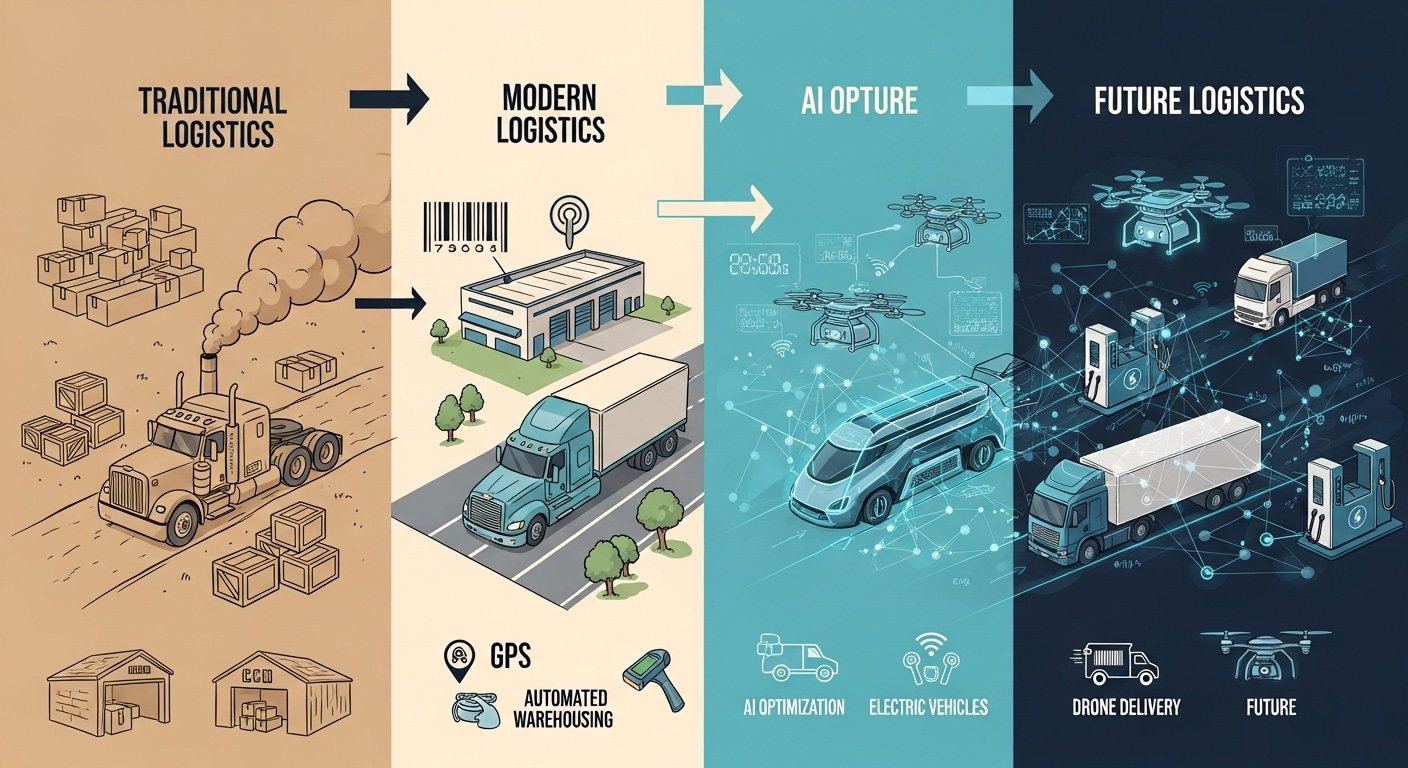
To illustrate comparisons, here’s a table of traditional versus modern logistics approaches:
| Aspect | Traditional Method | Modern Tech-Driven Method |
|---|---|---|
| Inventory Tracking | Manual counts, periodic updates | Real-time RFID and IoT sensors |
| Route Planning | Static maps, experience-based | AI-optimized dynamic routing |
| Cost Management | Fixed contracts, reactive adjustments | Predictive analytics for variable pricing |
| Sustainability | Standard fuel vehicles, minimal recycling | Electric fleets, carbon tracking tools |
This shift not only boosts efficiency but also addresses bottlenecks like inaccurate inventory, which can cause up to 20% waste in operations.
Real-World Applications of Logistics Optimization
Applying logistics principles in practice often reveals transformative results. Take supply chain optimization: By analyzing data from sensors and software, companies can reduce transit times by 15-25%. A case study from a global spirits manufacturer shows how secure cross-border logistics, using armed escorts and real-time visibility, minimized risks for high-value shipments like tequila, ensuring on-time deliveries despite geopolitical challenges.
Warehouse management systems shine in e-commerce, where automated fulfillment handles picking, packing, and shipping. One electronics distributor partnered with a logistics provider to shift to East Coast fulfillment, cutting mileage by 75% and improving speed to market. It’s like upgrading from a cluttered garage to a smart storage unit that knows exactly where everything is.
For last-mile delivery, tech solutions like algorithmic route planning (as seen with UberEats) reduce times and fuel use. In cold chain logistics, IoT devices monitor temperatures in real time, preventing spoilage in food distribution. Sustainable practices integrate here too: A multinational logistics firm adopted Sustainable Aviation Fuel (SAF) to cut emissions by 70%, blending environmental responsibility with operational gains.
Challenges in e-commerce logistics, such as variable demand, are tackled through cloud-based solutions. A meal kit company like Plated used AI to boost forecast accuracy by 10%, minimizing waste. These examples correct misconceptions, like the idea that tech is only for big players: Affordable options exist for SMEs, starting with basic tracking apps.
Overcoming Common Bottlenecks in Logistics
Bottlenecks plague many operations, but tech offers remedies. Real-time tracking issues often stem from outdated systems, leading to delays. Solutions include GPS-integrated platforms that provide minute-by-minute updates, reducing blind spots.
Inventory accuracy suffers from manual errors or delayed data. Implementing RFID and automation can achieve up to 97% accuracy, as seen in some wholesalers. Transportation delays, caused by weather or traffic, benefit from AI predictive tools that reroute shipments proactively.
A table of common bottlenecks and solutions:
| Bottleneck | Cause | Tech Solution | Benefit |
|---|---|---|---|
| Tracking Delays | Batch updates, no visibility | IoT-enabled devices | Reduced discrepancies, faster response |
| Inventory Errors | Manual counts, over/understocking | AI forecasting and WMS | Lower carrying costs, better demand match |
| Last-Mile Inefficiencies | Poor routing, urban congestion | Algorithmic optimization | 10-20% faster deliveries, lower fuel use |
| Sustainability Gaps | High emissions, waste | Electric vehicles, carbon offsetting | Compliance with regs, enhanced brand image |
By addressing these, businesses can streamline processes, much like clearing traffic jams on a busy highway.
Tech-Driven Solutions for Modern Logistics
The future of logistics lies in technology. Cloud-based logistics solutions enable seamless data sharing across teams, ideal for SMEs. Best logistics software for small businesses includes options like Shippo for shipping management or Zoho Creator for custom apps, offering scalability without high costs.
AI in logistics is exploding: The market is expected to grow from $26.3 billion in 2025 to $708 billion by 2034. Tools like GPX Scout AI provide supply chain intelligence, while Microsoft Dynamics 365 integrates warehouse and transportation ops with AI insights.
For sustainable logistics practices in 2025 and beyond, trends include electric fleets (gaining momentum with AI optimization) and carbon-neutral warehousing. AI-driven route optimization cuts emissions, and eco-friendly packaging reduces waste. A produce supplier case reduced fines through better data flow and lean strategies.
Sustainable Logistics Practices: A Path Forward
Sustainability is no longer optional. Green logistics innovations from emerging markets, like integrated policies and green finance, offer blueprints. Practices include multimodal orchestration (combining transport modes for efficiency) and upskilling workforces for tech adoption.
In 2026, agent-based AI and digital twins will predict disruptions, while nearshoring reduces carbon footprints. Companies like Amazon use AI for predictive delivery, achieving better efficiency. For SMEs, starting small with carbon offsetting or efficient load management yields quick wins.
Procurement Strategy and Distribution Networks
Effective procurement involves selecting suppliers with strong sustainability records, using tools for vetting. Distribution networks benefit from regional hubs, as in the KICKER audio case, which improved reliability through strategic placement.
Transportation Management and Cold Chain Logistics
TMS software optimizes modes, reducing costs. Cold chain uses sensors for compliance, vital for perishables.
Automated Fulfillment: The Game-Changer
Automation handles repetitive tasks, boosting speed. Case: Zipline’s drones deliver medical supplies in Rwanda, cutting times dramatically.
To wrap up, mastering logistics means embracing tech for efficiency and sustainability. Key takeaways: Assess your bottlenecks, integrate affordable tools, and prioritize green practices. What will you implement first in your operations?
You May Also Like: Exploring UVLACK: The Fast Track to Durable Coatings
FAQs
What is the primary goal of logistics in a supply chain?
To ensure efficient movement and storage of goods while minimizing costs and maximizing customer satisfaction.
How can small businesses afford logistics software?
Many options like free tiers of Shippo or affordable cloud-based tools scale with growth, starting under $100/month.
What are the benefits of real-time tracking?
It reduces delays, improves accuracy, and enhances customer trust through timely updates.
How does AI improve inventory control?
By forecasting demand accurately, preventing overstock and stockouts with data analysis.
What sustainable practices should I adopt first?
Start with route optimization and eco-packaging to cut emissions without major overhauls.
Can logistics help with e-commerce challenges?
Yes, through automated fulfillment and last-mile solutions that handle variable demand.
How do I measure logistics success?
Track metrics like on-time delivery rates, inventory turnover, and cost per shipment.