



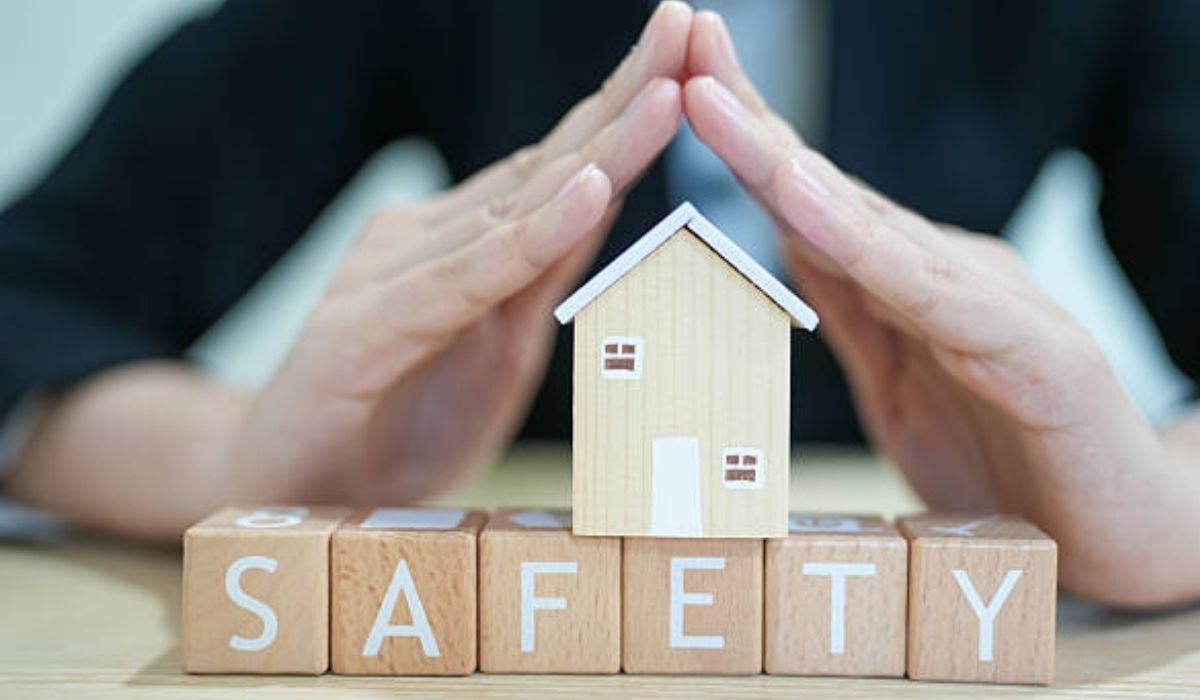
Keeping your home secure is essential for ensuring the safety of your loved ones and protecting your valuables. Home safety encompasses a broad range of considerations, from preventing accidents and injuries to protecting your home against potential threats such as theft and fire. Taking proactive steps toward improving home safety can help you prevent accidents, deter intruders, and handle emergencies with confidence. When you focus on practical measures, even small changes in and around your home can significantly enhance security, creating a calming environment for everyone who lives there. For more ideas on safeguarding your property, visit https://mwg.aaa.com/insurance/home for additional home insurance resources and tips that can help you stay informed and protected.
Modern home safety involves a combination of smart technology, regular maintenance, and overall preparedness. While investing in the latest security gadgets can enhance your home’s defense, don’t underestimate the importance of everyday vigilance and proper home maintenance. Even simple, budget-friendly upgrades—such as adding door locks or installing brighter lights—can significantly enhance the security of your living space and provide your household with peace of mind. Prioritizing these strategies not only protects your family but also adds value to your home and can sometimes result in reduced insurance premiums. By staying proactive, you can mitigate both immediate and long-term risks while fostering a safer space for those you care about most.
Installing Smoke and Carbon Monoxide Detectors
Early warning devices, such as smoke and carbon monoxide (CO) detectors, are crucial for protecting your household from fires and unseen gas leaks. These alarms serve as your first line of defense during emergencies that develop rapidly, such as a kitchen fire or a furnace malfunction. Install both types of alarms on each floor, especially near bedrooms, basements, kitchens, and common living areas for maximum effectiveness. Testing these devices monthly and replacing batteries every six months ensures they remain reliable and functional at all times. Additionally, consider replacing the entire detector every 7-10 years, or as directed by the manufacturer. According to the National Fire Protection Association, homes equipped with working smoke alarms cut the risk of fire-related deaths in half, making these devices a fundamental component of home safety. Having a combination of both smoke and CO detectors, especially in homes that use gas heaters, fireplaces, or attached garages, is a proven way to save lives and prevent tragedy.
Securing Entry Points
Burglars frequently target doors and windows as easy entry points, so reinforcing these areas of vulnerability is vital for keeping your home secure. Consider upgrading to solid wood or metal doors, installing high-quality deadbolt locks, and fitting sliding windows with security bars or pin locks. For added defense, reinforce door frames with longer screws and strike plates, and never overlook garage doors as potential access points. Smart locks and doorbell cameras provide an added layer of security by enabling remote monitoring and access, allowing you to grant or revoke digital entry codes as needed. Layered protection, such as security film for glass and secondary locks on patio doors, can further fortify your home and make break-ins much more difficult.
READ ALSO: Essential Spa Maintenance Tips for a Luxurious Home Experience
Enhancing Outdoor Lighting
Dimly lit exteriors are appealing to would-be intruders, providing cover and reducing the chance they’ll be noticed. Installing smart motion-sensor lighting around key areas—such as driveways, pathways, backyards, porches, and entry doors—can immediately deter suspicious activity by alerting you and your neighbors to unexpected movement. These motion-activated lights only illuminate dark corners when movement is detected, reducing energy costs while significantly increasing safety. Consider pairing outdoor lighting with security cameras or video doorbells for added deterrence and to capture visual evidence if needed. The National Institute of Standards and Technology recommends comprehensive exterior lighting as an effective way to boost nighttime security and reduce common household accidents, such as trips and falls near steps or walkways. By keeping all exterior areas visible and well-lit, you decrease hiding spots and make your home less appealing to intruders.
Implementing Smart Home Security Systems
Smart security solutions, such as monitored alarms, video surveillance, and connected doorbells, provide real-time alerts and remote access to your home’s security status, empowering homeowners with control when they’re away from home. These systems often include mobile apps, allowing you to monitor camera feeds, adjust settings, or respond to alerts directly from your phone. Integration with other smart devices—like lights, door locks, and even appliances—adds convenience and increases the deterrent effect, as activity can be simulated when you’re not home. The presence of cameras and alarms alone is often enough to dissuade intruders from targeting your home. Select a system that provides 24/7 professional monitoring and seamless integration with your daily routines to optimize protection. Consider regularly updating passwords and system firmware to protect against digital threats as well.
Maintaining Regular Home Inspections
Conducting scheduled inspections of your property’s structure, electrical systems, plumbing, fire extinguishers, and major appliances helps you identify potential risks early. Look for signs of wear, leaks, frayed wiring, or blocked vents that could result in fires, floods, or other accidents. Timely repairs keep your home environment safe and can prevent larger, costlier damages in the long run. Simple tasks, such as decluttering exits, checking railings and banisters, and regularly servicing heating equipment, can make a significant difference in household safety. By staying vigilant and addressing hazards as soon as they’re noticed, you maintain a home environment that is both safe and efficient year-round.
Securing Furniture and Appliances
Unanchored furniture and appliances pose a significant threat, particularly to children and the elderly, who are most vulnerable to tip-overs. Use wall straps, secure brackets, and anti-tip kits to anchor bookcases, dressers, televisions, and other heavy objects to the wall. Check that shelves and cabinets are not overloaded or top-heavy, and always position televisions toward the back of furniture, away from edges. The Consumer Product Safety Commission finds that furniture tip-overs cause thousands of injuries each year, most of which are preventable with proper anchoring. Always check stability after installation and periodically as part of your regular safety checks, especially after moving furniture. Additionally, ensure cords and small appliances are kept out of children’s reach to minimize the risk of electrical accidents or pulling hazards.
Establishing an Emergency Plan
Emergencies can strike unexpectedly—from fires to severe weather events—so every household should have a practiced evacuation and communication plan in place. Outline all possible exits from each room, assign clear meeting points outside the home, and ensure every family member—adults and children alike—knows emergency contacts and how to use safety tools like fire extinguishers or first aid kits. Include plans for pets and individuals who may need special assistance. Test your plan through regular drills to familiarize everyone with procedures and reduce panic in real emergencies.
Conclusion
Prioritizing the steps above will help you create a safer, more secure home where your family can thrive every day. Regular checks, layered security approaches, and thorough preparation for emergencies work together to make your property resilient against both everyday accidents and unforeseen threats. Investing in these practical home improvements not only brings peace of mind but also ensures the ongoing well-being of anyone who visits or calls your home their own. By taking the time to assess, upgrade, and maintain your home’s safety measures, you create a welcoming space where everyone feels truly protected.
YOU MAY ALSO LIKE: How Glass Improvements Transform Modern Homes