


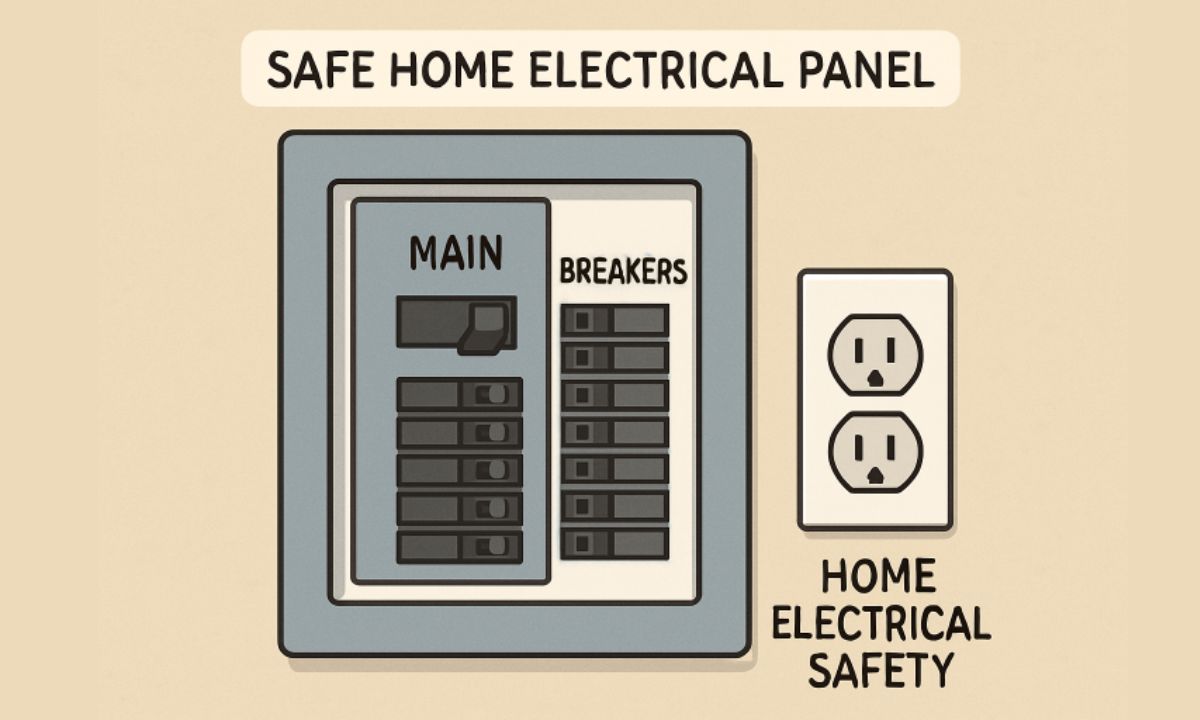
Maintaining the safety of a home’s electrical system requires attention to detail and ongoing diligence. Homeowners benefit not only from protection against property damage but also from safeguarding the well-being of everyone under their roof. For residents considering electrical installation, a careful approach can reduce the risk of hazards while supporting modern household needs.
It is important to understand that electrical safety at home does not start and end with installation. Ongoing maintenance and upgrades play a critical role in preventing fire risks and system failures. By implementing proven safety practices and following current regulations, homeowners ensure the reliability of their electrical infrastructure for years to come.
Staying up to date on electrical best practices not only boosts safety but also adds value to your home. As technology and home comforts evolve, elements such as upgraded lighting, power outlets, and even efficient heating systems require a solid electrical foundation. For those interested in comprehensive comfort solutions, considering options like gas fireplaces can enhance household efficiency and safety.
Below, this guide outlines practical steps you can take to ensure your household wiring system supports the safe, effective, and efficient use of electricity throughout your home.
Conduct Regular Inspections
Regular inspections are one of the most effective ways to spot electrical hazards before they escalate. Typical issues uncovered during an inspection include deteriorating wires, corroded terminals, or overloaded panels. Engage a certified electrician to carry out periodic checks, especially if your home is aging or has undergone renovations. Proactive evaluations can prevent many common sources of electrical fires or unexpected outages. According to resources from the U.S. Consumer Product Safety Commission, routine inspections are among the top recommendations for household electrical safety.
Understand Electrical Loads
Every circuit in a residential panel is designed for a certain capacity, expressed in amps. When a circuit is overloaded, the wiring may overheat, posing a fire risk. Understanding each circuit’s capacity and avoiding overuse are vital. Evenly distribute appliances and electronics throughout your home, paying special attention to heavy-duty items such as air conditioners and space heaters. You can find your panel’s amperage information on the circuit breaker, and if you are unsure about load balancing, consult a professional for guidance.
Use Appropriate Wiring
Choosing the right type and size of wiring for each application is necessary to support safe electrical flow. For example, older homes may contain aluminum wiring, which is considered more susceptible to overheating. Upgrading to modern copper wiring increases reliability and aligns with current standards. Additionally, specific appliances, such as ovens or dryers, require wires rated for their use. Seek advice from a qualified electrician to ensure the replacement or extension of any wiring meets national and local codes.
Install GFCI Outlets
Ground Fault Circuit Interrupter (GFCI) outlets are required in areas where moisture is present, such as bathrooms, kitchens, garages, and outdoor spaces. GFCIs quickly cut power if they sense imbalances that could indicate a shock risk. Manufacturers recommend testing these outlets monthly to ensure continued functionality. Installing or upgrading to GFCI outlets, as required by current codes, is an invaluable step toward mitigating the risk of electric shock in vulnerable areas of the home. More on the importance of GFCI outlets can be found in the National Fire Protection Association’s guides.
Avoid Overloading Circuits
Plugging too many devices or appliances into a single outlet or circuit can create hazardous conditions, leading to overheating and potentially to electrical fires. Where additional capacity is needed, install extra circuits or outlets rather than relying on power strips or extension cords for long-term solutions. Power bars with integral surge and overload protection can be used temporarily, but should not be a permanent fix. Always distribute high-consumption devices across multiple circuits when possible to keep your system operating safely.
Properly Label Circuit Breakers
Clearly labeling electrical panel circuits greatly aids safe and efficient troubleshooting. In an emergency, accurate labels make it easy to disconnect affected areas, reducing chaos and potential damage quickly. When updating your panel or adding outlets, take the time to update labels as well. Use durable materials for labels so that they remain legible over time. This practice helps new occupants or service professionals easily identify and service the circuitry as needed.
Hire Licensed Professionals
Electrical work should always be entrusted to a licensed professional. Specialists are up to date with the latest safety codes and have the proper training for troubleshooting, upgrading, and installations. Attempting DIY repairs or installations, especially with high-voltage circuits, can lead to code violations, electrical damage, or serious injuries. Hiring a certified electrician not only supports home safety but also ensures insurance coverage remains valid after any renovations or updates.
Stay Informed on Electrical Codes
Electrical codes are frequently updated to reflect advances in building safety and emerging technologies. The National Electrical Code (NEC) offers baseline requirements for safe electrical installations across North America. Homeowners should stay informed about major changes that could affect existing systems or future remodels. Staying code-compliant protects your home, reduces fire risk, and can positively affect property value and insurability. For the most current information, consult official resources or speak to a licensed professional.
Consistently following industry best practices and maintaining a proactive approach to home electrical safety safeguards both property and people. A well-maintained and properly installed system provides reliable electricity for all your comfort and convenience needs while minimizing risks at every stage.
READ ALSO: Essential Home Electrical Safety Tips Every Homeowner Should Know