




Termites are notorious for their ability to silently destroy wooden structures, causing significant damage before they are even detected. Understanding termite behavior, prevention, detection, and treatment is crucial for homeowners and property managers alike. This article delves into the strategies that can be employed to protect your property from these destructive pests.
Understanding Termite Behavior
Termites are social insects that live in colonies. They feed on cellulose, a component found in wood, paper, and other plant materials. There are several species of termites, but the most common ones that affect human structures are subterranean, drywood, and dampwood termites. Each species has distinct habits and nesting patterns, which influence the methods used for control.
Prevention Strategies
Preventing a termite infestation is the best line of defense. Here are some effective prevention strategies:
- Reduce Moisture: Termites thrive in moist environments. Ensure that there are no leaks in plumbing, and maintain proper drainage around the foundation of your home.
- Eliminate Wood Contact: Avoid wood-to-soil contact by keeping wooden structures like decks, fences, and steps elevated from the ground.
- Seal Entry Points: Seal cracks and crevices in your home’s foundation and walls to prevent termites from entering.
- Regular Inspection: Conduct regular inspections of your property, especially in areas prone to moisture and wood decay.
Detection Techniques
Early detection of termite activity is critical in mitigating damage. Here are some signs to look for:
- Mud Tubes: Subterranean termites build mud tubes for protection while traveling from their colony to a food source.
- Swarmers: Winged termites, or swarmers, are often the first sign of an infestation. They are typically seen during spring.
- Wood Damage: If wood sounds hollow when tapped or exhibits blistering, it could be a sign of termite damage.
- Frass: Drywood termites leave behind small, pellet-shaped droppings known as frass.
Treatment Options
If termites are detected, prompt treatment is essential. The choice of treatment depends on the type of termite and the extent of the infestation. Here are some common treatment methods:
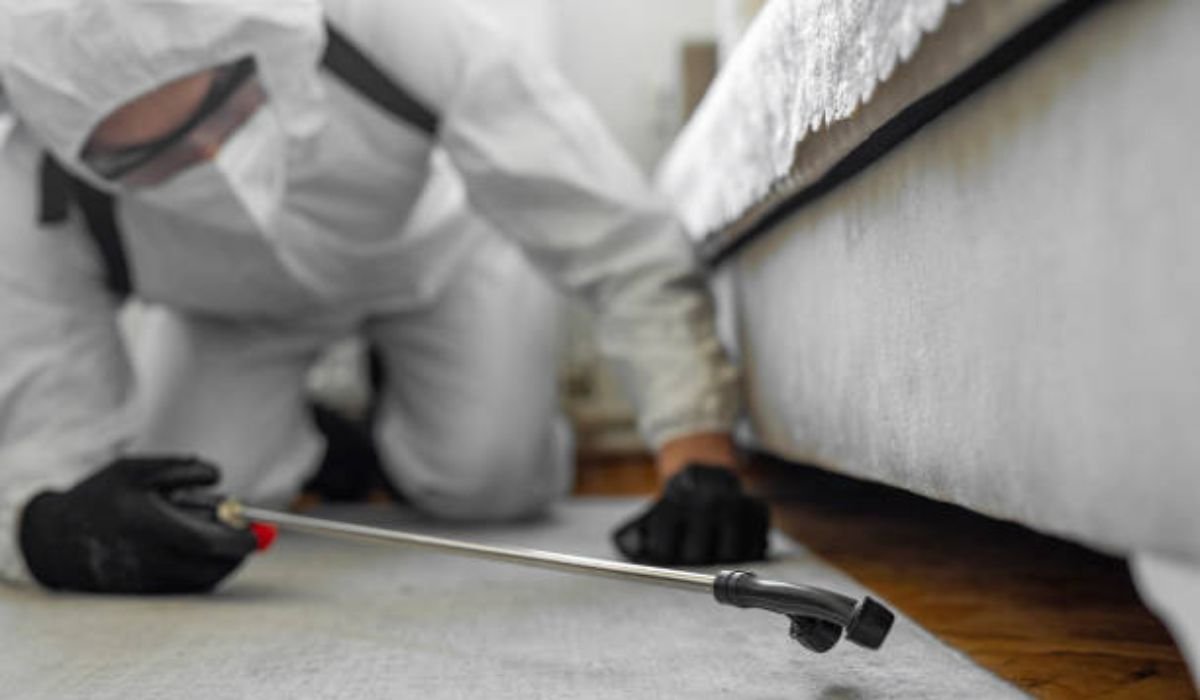
- Liquid Termiticides: This involves applying a chemical barrier in the soil around the foundation to kill termites attempting to enter.
- Baiting Systems: Bait stations are strategically placed around the property. Termites consume the bait and carry it back to the colony, effectively eliminating it.
- Wood Treatments: Surface sprays, injected sprays, and foams can be applied directly to wood to prevent and treat infestations.
- Fumigation: For severe infestations, especially of drywood termites, whole-structure fumigation may be necessary. This method requires vacating the property for a period of time.
Conclusion
Termite control is a multi-faceted approach that involves prevention, timely detection, and effective treatment. By understanding their behavior and implementing these strategies, homeowners can protect their properties from these destructive pests. For those also interested in Mosquito Control and other pest management strategies, consulting with a pest control professional can provide comprehensive solutions tailored to your needs.
YOU MAY ALSO LIKE: Pest Prevention for a Healthier Home Environment: Practical Tips and Modern Approaches