



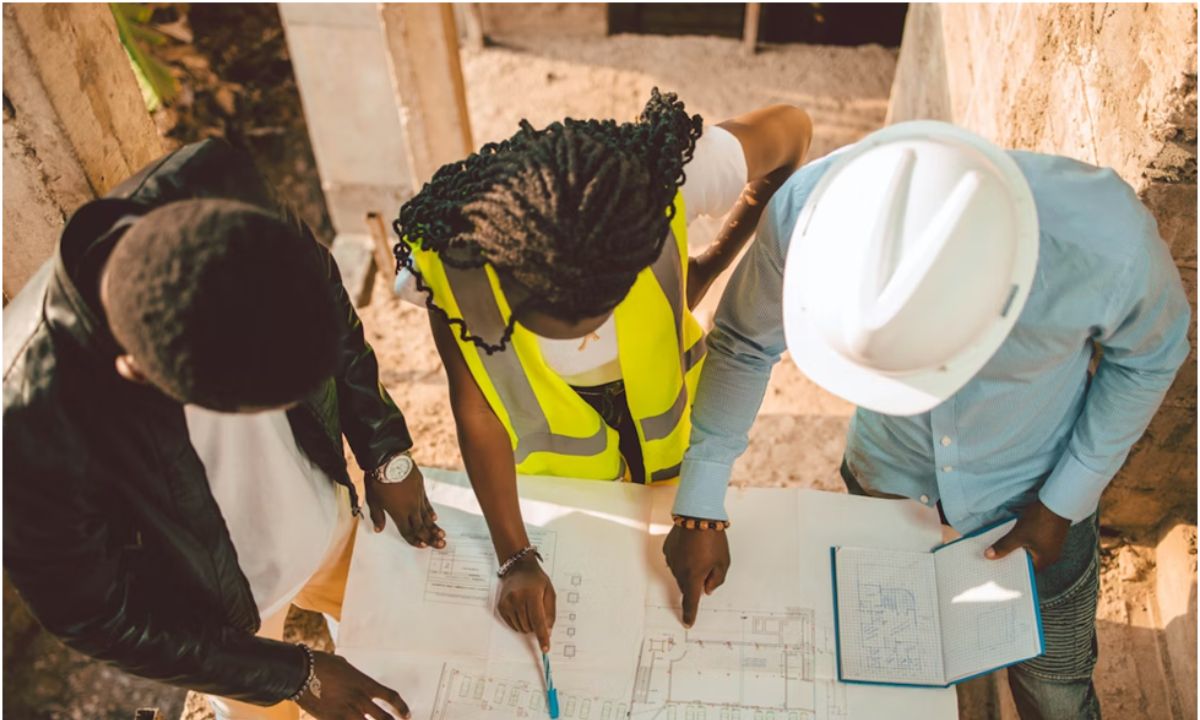
Building or renovating a home: it’s right up there with marriage and skydiving in the Big Decisions of Life. Exciting? Absolutely. Stress-free? Only if you’ve never watched a single episode of renovation reality TV. And, perhaps surprisingly, the source of most on-site drama isn’t a wild weather event or missing deliveries. It’s the classic tug-of-war between the two powerhouses of your project – the architect and the builder.
Traditionally, these two are portrayed as the odd couple: the architect, lost in visionary dreams; the builder, clutching the budget in one hand and a roll of tape in the other, gently dragging the design back to reality. But letting them lock horns is a costly, outdated cliché, and terrible for your sanity and savings. Spark some teamwork from day one, and you’ll keep both your investment and your dream home from going up in proverbial smoke.
Saving Time and Money Through Teamwork
There’s a direct line from collaboration to happier bank accounts and construction schedules. Picture this: architects and builders toiling away in their separate corners, the architect unveils a dazzling design – and the builder faints at the price tag. Cue the last-minute panic and the “that’ll cost you double” sticker shock.
But if you get these two talking early, magic (and big savings) can happen. The builder can point out nifty construction tricks that let the architect’s vision shine without sending you into financial cardiac arrest. Together, they can swap out budget-busting materials, dodge supply-chain headaches, and thwart those dreaded “change orders” that sneak up midway through the build. When your dream meets feasibility before the cement pours, your wallet will thank you – and your project will stay on track.
Avoiding the Blame Game
Let’s face it – building anything more complex than a LEGO set means hiccups are inevitable. If your team is fractured, every hiccup becomes a finger-pointing contest for the ages: “Your drawings are impossible!” “Well, you ignored my notes!” In the middle? You, with a headache and an invoice for the pleasure.
But bring your crew together – with BY Projects Architecture, for instance – and suddenly it’s less blame, more brainstorming: “Okay, so how do we fix this?” A builder who gets the “why” of a quirky loft, or an architect who actually acknowledges gravity – they’re a problem-solving powerhouse. They’ll spot a duct threatening to punch through a support beam long before the hammers come out. The result? Fewer midnight panic calls, more steady progress, and a lot less stress all around.
The Value of Early Contractor Involvement
Many homeowners wait until the blueprints are inked and immaculate before phoning in a builder. Rookie move! There’s a pile of gold (or at least common sense) in Early Contractor Involvement, otherwise known as “asking the builder’s opinion before it’s too late.”
When your builder shows up before the concrete’s dry on the plans, they bring a reality check with them. Your design stays beautiful and buildable. Their early appearance also locks in a spot on their (very busy) schedule. Trust starts to grow, too – by the time you break ground, everyone knows what’s coming and nobody’s scrambling for last-minute fixes.
Keeping Lines of Communication Open
Communication: it’s the secret sauce for every successful project. But don’t expect magic just because everyone has an email address. You need structure. Regular on-site meetings (where both architect and builder actually show up) are your best ally. It’s the ideal place to hash out details, answer burning questions, and give the final “yes” to that tile sample, before it’s immortalised on your kitchen wall.
Remember, you set the tone here. Champion open conversations, respect everyone’s expertise, and remind your architect and builder they’re on the same team. When gossip is replaced with genuine updates and feedback, errors get caught sooner, and you end up with a house that’s both gorgeous and rock-solid.
The Key to a Stress-Free Build
You deserve a team that’s got your back – collaborating, not clashing. When creativity pairs up with practicality, magic happens: builds go smoother, budgets stay healthier, and your home reflects the best ideas from both worlds. Consider it a blueprint for building happiness (and far less headache).