




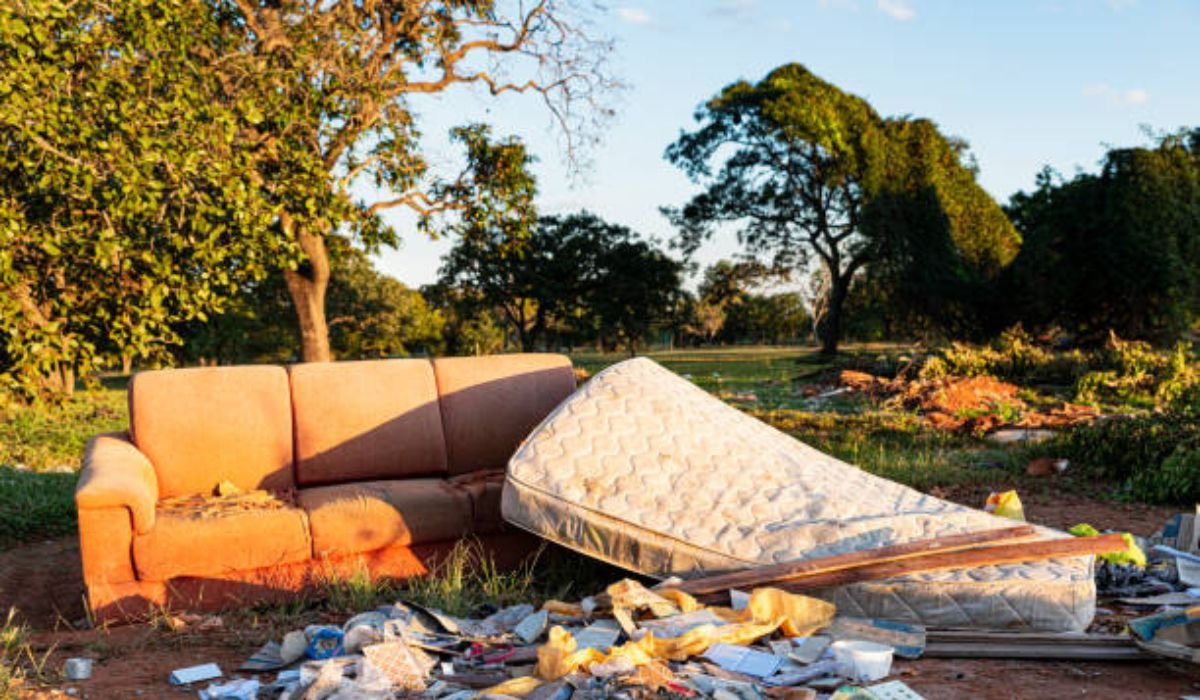
Every year, millions of old mattresses are discarded across the United States, creating a significant burden on landfills and contributing to environmental degradation. Traditional disposal methods often mean that bulky mattresses take up valuable landfill space and emit harmful chemicals as they break down. If you’re looking for ways to responsibly dispose of a mattress, it’s important to understand how small changes in disposal habits can make a big difference for our planet.
When mattresses are dumped in landfills, their synthetic and non-biodegradable components, such as foam, polyester fibers, and metal springs, linger for decades or longer. As these materials break apart, they can release volatile organic compounds (VOCs) and other toxic substances, which seep into surrounding soil and groundwater. Bulky mattresses are particularly problematic, as their size complicates both transportation and storage and accelerates landfill overfilling.
For example, California’s mattress recycling efforts have set an inspiring example. According to the Mattress Recycling Council, over 10 million mattresses have been recycled since the launch of the Bye Bye Mattress program, keeping more than 380 million pounds of material out of landfills. These efforts highlight how community-driven initiatives can transform large-scale waste management practices. You can read more about statewide impacts and statistics in this Recycling Today article. By raising awareness and pushing for change at the policy level, similar programs in other regions could achieve equally substantial environmental benefits in the years to come.
Recycling Programs: A Sustainable Alternative
Many states are taking steps toward environmentally friendly mattress disposal by implementing structured recycling programs. Connecticut’s Bye Bye Mattress initiative has successfully recycled over 1.7 million mattresses since its introduction, diverting more than 30,000 tons of material from the waste stream. These programs break down mattresses into recyclable components, steel springs, foam, fibers, and wood, allowing materials to be repurposed rather than sent to landfills.
Mattress recycling centers sort and separate the materials found in each mattress. For example, steel springs are melted down and reused in construction materials or new appliances, while foam padding is often used as carpet underlayment. Fabrics and wood can be shredded and processed for secondary products. Because these operations divert massive amounts of bulky waste, they play a direct role in reducing the environmental impact of discarded mattresses.
The rise of statewide mattress recycling programs is changing the landscape of waste management. This model not only conserves valuable resources but also opens opportunities for green jobs within local communities. Workers who dismantle and sort mattresses, as well as staff at recycling and manufacturing facilities, are crucial to the recycling ecosystem.
Innovative Recycling Techniques
Recent advances in recycling technology are providing new ways to manage mattress disposal. One prominent innovation is chemical recycling, which breaks down complex materials, like polyurethane foam, into raw materials that can be reused in manufacturing. By turning waste into new products, chemical recycling enables industries to move toward a circular economy, significantly reducing the need for virgin materials and minimizing environmental impact. This approach also demonstrates how science and technology can address the specific challenges posed by hard-to-recycle products.
Mechanical recycling, another emerging technique, separates the various layers of a mattress for targeted reuse. Once materials are separated, manufacturers can process them according to type, ensuring maximum recovery. For example, reclaimed metal is sent to foundries, and textile fibers can be woven into new fabrics or insulation materials. These innovations reflect the industry’s commitment to sustainability and continuous improvement in waste management processes.
Manufacturer Take-Back Programs
Many mattress manufacturers are stepping up to offer take-back programs, ensuring customers can safely dispose of old mattresses when they purchase a new one. Through these programs, companies collect used mattresses at the point of delivery, streamline the recycling process, and reduce the consumer’s burden. By integrating take-back options into their services, manufacturers play an active role in waste management, making it easier for customers to do the right thing for the environment.
This practice not only makes disposal more convenient but can also assure customers that their old mattresses won’t simply end up in a landfill. Companies that accept old mattresses generally coordinate with recycling centers, while some even offer incentives or discounts for customers who participate in take-back programs. Before purchasing a new mattress, inquire whether your chosen retailer or manufacturer participates in a take-back initiative. Opting for brands with sustainable practices supports a more responsible product lifecycle and encourages other manufacturers to implement greener solutions.
Donating Usable Mattresses
Not all old mattresses are destined for disposal. If your mattress remains in good condition, free of stains, rips, or structural damage, consider donating it to local shelters, charitable organizations, or furniture banks. Donations help extend a mattress’s lifecycle and provide valuable resources to those in need. In some communities, nonprofit organizations will even arrange free pickup, making mattress donation convenient and impactful.
Many charities have clear guidelines for accepting used mattresses, so be sure to confirm requirements before arranging a drop-off or pick-up. Goodwill, Salvation Army, and Habitat for Humanity are common options that may accept mattress donations depending on their local policies. Donating also helps minimize the resources used to produce new mattresses and supports people experiencing financial hardship or rebuilding after disasters.
Hiring Professional Removal Services
If you’re short on time or unsure how to proceed with mattress disposal, professional junk removal services offer an easy solution. Many of these companies coordinate directly with certified recycling facilities to ensure responsible, lawful disposal. This option provides convenience and peace of mind, especially for bulky items or when local regulations are complex. With professional removal, you avoid the hassle of transport and ensure your mattress will be handled in compliance with all legal and environmental standards.
Additionally, some professional removal companies offer contactless and eco-friendly services, ideal for those looking to limit their environmental footprint while ensuring efficient disposal. The best providers work hand in hand with recycling centers and, in some cases, partner with charities to ensure that mattresses are donated if still usable. Make sure to ask whether the provider partners with recycling programs or donates usable materials before booking a service. This small step helps ensure your mattress stays out of the landfill.
DIY Disposal: What to Know
For those who prefer to manage disposal independently, several DIY options are available. Start by checking with your local waste management authority about bulk waste pickup or special collection days for large items, such as mattresses. Some areas operate designated drop-off sites exclusively for mattresses and other furniture, supporting community-level recycling efforts. Deconstruction, dismantling the mattress yourself, and separating the materials can also make recycling easier, especially if your local center requires sorting before acceptance.
Before hauling your mattress away, be sure to follow any preparation guidelines, such as enclosing the mattress in plastic or removing hazardous materials. Following these steps helps prevent the spread of bed bugs or other pests and meets sanitation regulations. Staying informed about your community’s disposal rules helps you avoid fines and contributes to broader sustainability goals. Whether you choose city-sponsored drop-offs, bulk pick-up, or deconstruction, you play a direct part in reducing landfill waste.
Final Thoughts
As more consumers seek sustainable living solutions, proper mattress disposal has never been more important. Whether you choose a recycling program, take-back option, donation, professional service, or a DIY approach, thoughtful mattress disposal can make a substantial difference. Even small, individual decisions can collectively divert thousands of tons of waste from landfills and keep valuable resources in circulation. Embracing these smart solutions helps reduce landfill waste, conserve valuable materials, and support a healthier environment for all. As the conversation around sustainability grows, your choices in mattress disposal are meaningful contributions to global environmental health.
YOU MAY ALSO LIKE: How to Find the Best Bed Frames in Dandenong for Your Style and Budget