



Clean indoor air is essential to maintaining a comfortable and healthy home environment. While many people focus on visible cleaning tasks, the unseen systems that circulate air often go overlooked. Air ducts play a crucial role in distributing heated or cooled air throughout a home, but over time, they can accumulate dust, allergens, and other contaminants. These particles can then be recirculated, potentially affecting indoor air quality and contributing to respiratory discomfort, especially for individuals with sensitivities.
Regular inspection and maintenance of these systems can help reduce the buildup of unwanted debris and improve overall airflow efficiency. Incorporating routine duct & vent cleaning into home care practices helps maintain a cleaner living space by reducing airborne pollutants. It also helps HVAC systems operate more effectively, extending their lifespan and maintaining consistent indoor temperatures. Paying attention to these hidden components is a practical step toward a healthier home.
Understanding Air Duct Contamination
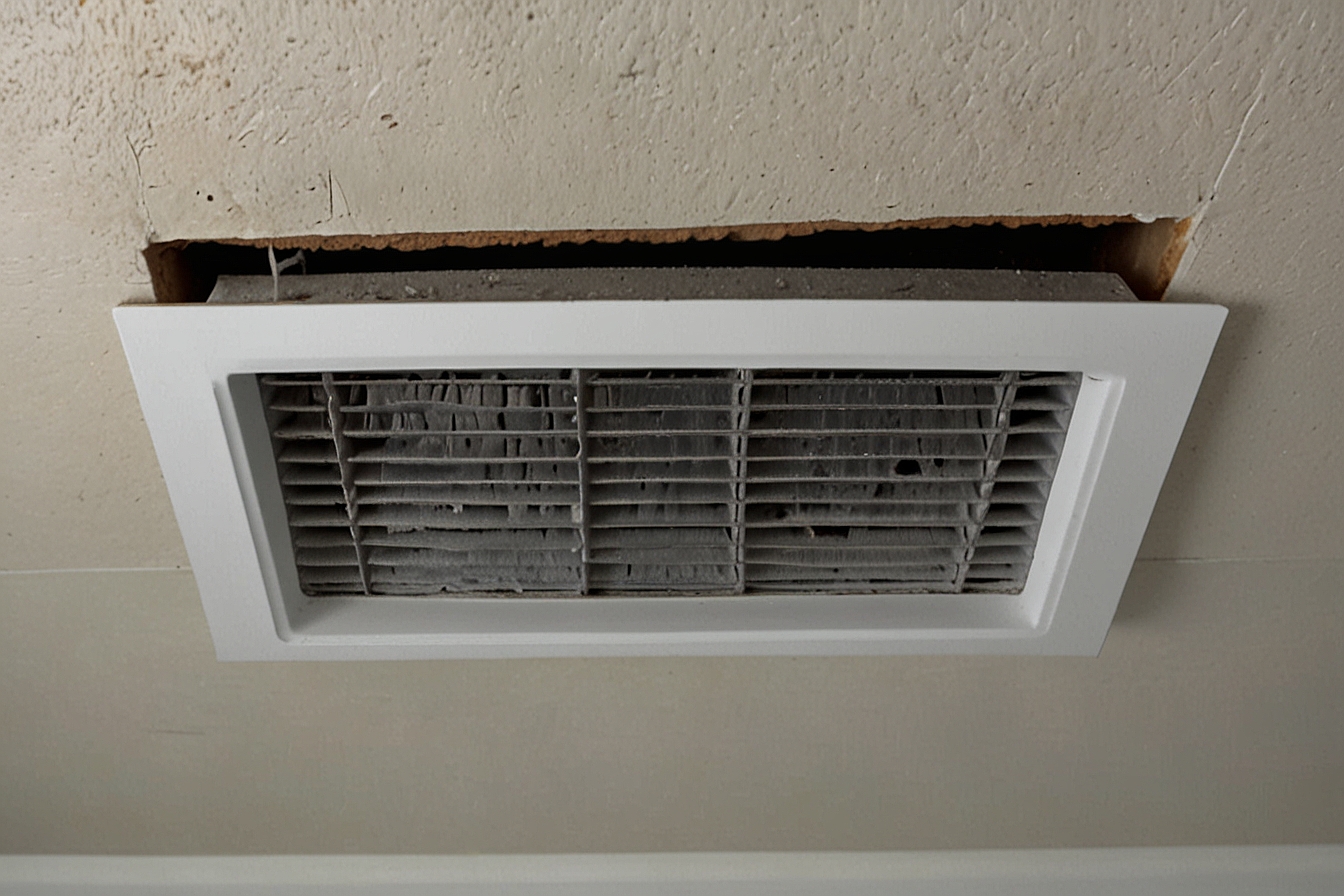
Every home’s air ducts gradually collect a range of contaminants, including dust, pollen, pet hair, and even mold spores. These particles enter your ducts through daily activities, pet movement, door openings, or simply the HVAC system pulling in outside air. Over months or years, these substances create layers in the ducts, which then recirculate whenever the system is on. More than just dust, potential threats can include bacteria and volatile organic compounds (VOCs) from cleaning chemicals or building materials. Understanding the specific risks in your area or home makes it easier to determine how often cleaning should take place.
Health Implications of Dirty Air Ducts
Contaminated ducts do more harm than cause a little extra house dusting. For anyone with allergies, asthma, or other respiratory sensitivities, dirty ducts can dramatically worsen symptoms. As the HVAC system runs, airborne irritants are distributed throughout the home. The American Lung Association warns that poor indoor air quality can contribute to respiratory infections, headaches, and chronic fatigue. If you notice persistent coughing, excessive sneezing, or watery eyes among your household members, dirty air ducts may be a factor. Mold growth is another danger linked to moisture and organic buildup, which can amplify allergic reactions and even cause long-term health complications.
Impact on HVAC System Efficiency
Beyond health, dust and grime inside ducts place more strain on HVAC systems. As debris builds up, airflow is restricted, and the system has to work harder to maintain the desired temperature. This struggle not only drives up monthly energy bills but can also reduce the lifespan of critical HVAC components. Blockages or dirt on coils can cause overheating and mechanical breakdowns. Maintaining clean ducts supports better energy efficiency and protects your investment in your home’s climate control infrastructure.
Signs Your Air Ducts Need Cleaning
- Noticeable dust clinging to or coming out of vents.
- Unusual or musty odors are present when the system is on.
- Increased allergy symptoms, coughing, or eye irritation among residents.
- Weak airflow or significant temperature variation between rooms.
If you see or smell these warning signs, a professional inspection can confirm whether your ducts need cleaning.
Benefits of Professional Air Duct Cleaning
Although some home maintenance tasks are suitable for do-it-yourself approaches, air duct cleaning is best left to qualified professionals. Experts have specialized equipment that can dislodge stubborn buildup, extract contaminants, and detect hidden problems such as mold or leaks. A thorough job can extend beyond basic vacuuming, addressing bacteria, and ensuring the system won’t simply redistribute what was removed. Clean air ducts translate to improved comfort, fresher-smelling rooms, and overall peace of mind about the safety of the air you breathe.
Choosing a Reliable Air Duct Cleaning Service
Not all service providers offer the same level of expertise or care. To make a smart choice, look for companies with industry certifications such as those from the National Air Duct Cleaners Association (NADCA). Check for customer reviews, clear pricing, and transparent cleaning procedures. Reputable providers also adhere to industry standards for both safety and effectiveness, explaining their process to you beforehand and answering any questions about what to expect from the service.
Verifying Credentials and Standards
Ask for documentation or proof of insurance, and seek companies that provide staff training. A reliable company will also provide before-and-after images or reports, helping you see the impact of their work.
Maintaining Clean Air Ducts
Homeowners can maximize the benefits of professional cleaning by adopting a few straightforward practices. Change or clean HVAC filters every 1 to 3 months and ensure that vents remain unobstructed. Regularly dust and vacuum to reduce contaminants, and manage indoor humidity to prevent mold growth.
It may be helpful to set reminders for filter replacements and to schedule annual duct inspections, especially in households with pets or individuals with allergies. By maintaining clean ducts and practicing good hygiene, homeowners can improve air quality and HVAC performance year-round.
Summary
Clean air ducts are a vital component of a healthy, efficient, and comfortable home. Regular professional cleaning reduces allergens, dust, and mold, improving indoor air quality and minimizing health risks for residents. Maintaining ducts also supports HVAC efficiency, lowers energy costs, and extends the lifespan of your system. By combining professional services with routine upkeep, such as filter changes, vent care, and humidity control, homeowners can ensure that fresh, safe air circulates throughout their living space while protecting their investment in home comfort.