





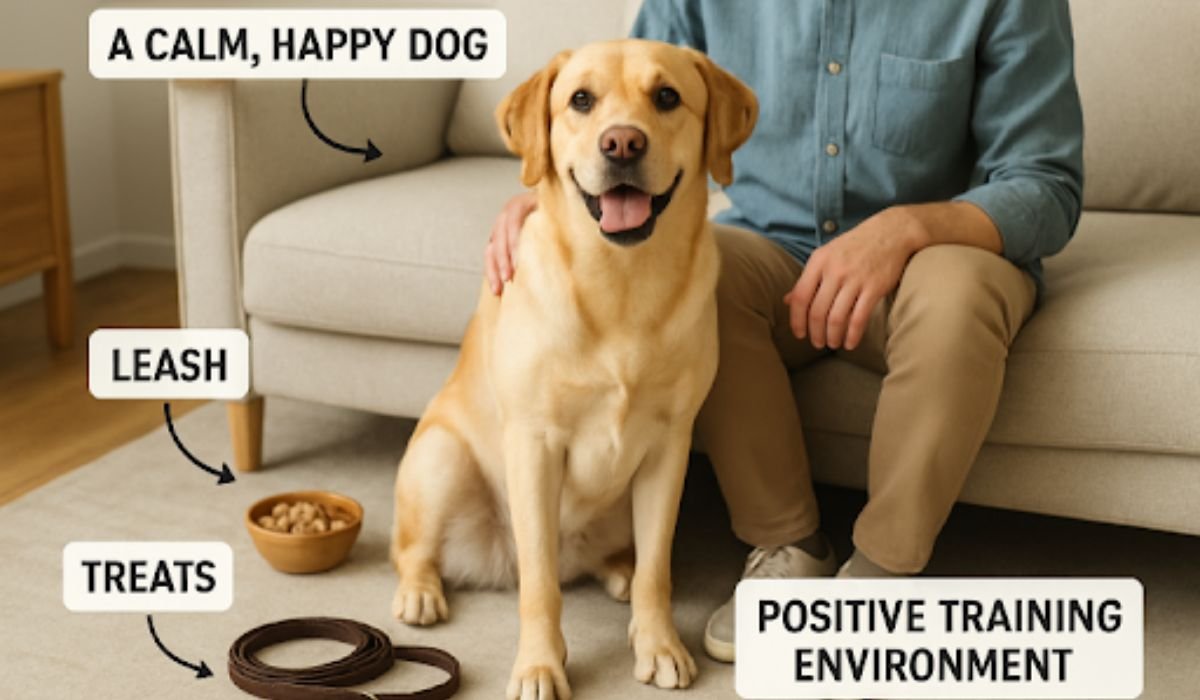
Bringing a new dog home is a rewarding experience, but it also comes with significant responsibilities. To help your canine companion adapt smoothly, focus on consistent guidance and training from the start. Essential habits, such as establishing a routine and using thoughtful training strategies, can turn your new pup into a happy, well-mannered member of your family. If you’re seeking expert advice and support on this journey, consider reaching out to organizations such as American Canine Academy, known for its comprehensive dog training resources.
Training goes beyond simple obedience. It also fosters trust and communication between you and your dog, ensuring your home environment remains harmonious over the years. A well-trained dog is more likely to excel in social settings, greet guests calmly, and respond effectively during outdoor adventures or emergencies. With dedication and the proper guidance, every owner can raise a confident, friendly companion that fits seamlessly into their household.
Establish Consistent Routines
Dogs are creatures of habit who feel secure when they know what to expect each day. By creating predictable routines around meals, exercise, and rest, you help your dog develop a sense of stability. This consistency reduces stress and supports the development of good habits, including reliable bathroom routines and calmer reactions to new experiences. Try to keep feeding times, walk schedules, and bedtime consistent throughout the week.
Furthermore, routines make it easier to shape desired behaviors, whether that’s waiting patiently before meals or sitting calmly at the door before heading out for a walk. Dogs learn by association, so regular routines reinforce the positive habits you want your dog to repeat.
Utilize Positive Reinforcement
Positive reinforcement remains the gold standard in modern dog training, as advocated by experts and organizations like the Humane Society. By immediately rewarding your dog with praise, treats, or playtime after they display a desirable action, you make it more likely they will repeat that behavior. Timing is essential; the quicker you reward, the clearer the link between action and reward.
This approach boosts your dog’s confidence and builds a foundation of trust. It also strengthens your relationship, as dogs thrive on positive attention from their owners. Avoid punishment-based techniques, which can result in fear or anxiety and often undermine the training process.
Prioritize Early Socialization
The socialization period is critical for puppies, but older dogs can also benefit from gradual, safe exposure to new sights, sounds, and smells. By introducing your pup to a variety of environments, people, and other animals, you reduce the risk of aggression or fearful reactions later in life. Socialization classes or controlled, positive playdates with other dogs provide structured opportunities for your dog to learn how to interact politely.
Proper socialization helps prevent problematic behaviors such as excessive barking, lunging, or cowering in unfamiliar settings. For more information about the best ways to socialize your dog, the American Kennel Club offers helpful guidelines and expert tips.
Implement Basic Obedience Training
Teaching your dog basic commands like “sit,” “stay,” “come,” and “leave it” creates the groundwork for lifelong manners. Start with short sessions in a distraction-free environment, using rewards and gentle repetition. As your dog masters each command, gradually increase the level of difficulty by introducing new locations or adding mild distractions. This progressive approach helps ensure your dog will reliably obey even in busy settings or during outdoor activities.
Remember to practice daily, remain patient with setbacks, and always end training sessions on a positive note. Consistent practice will make good behavior second nature for your pet.
Address Behavioral Issues Promptly
Behavioral challenges like chewing, excessive barking, or jumping up on guests are common, especially in young dogs. The key is to identify and address the root cause as early as possible. A dog that chews furniture may be under-stimulated or experiencing teething discomfort, while one that barks constantly may be anxious or bored. Providing appropriate outlets for energy, such as puzzle toys or interactive play, can redirect negative behaviors before they become ingrained habits.
If you need more guidance on handling common behavioral issues, the ASPCA offers a library of resources to address everything from jumping to digging to more complex problems.
Seek Professional Guidance When Needed
Some issues are best resolved with the support of a professional trainer, particularly if you encounter persistent aggression, extreme anxiety, or severe fearfulness. Professional guidance can provide personalized strategies that fit your dog’s unique temperament and your household’s needs. Trainers can teach you how to improve communication with your pet and create a sustainable training plan that addresses existing problems while preventing new ones from emerging.
Maintain Patience and Understanding
Training any dog, regardless of age or breed, requires time and patience. Celebrate small achievements, remain consistent in your methods, and adapt strategies to suit your dog’s learning pace. Every animal is different, and understanding your dog’s personality will help you tailor your approach for the best results. Remember, setbacks are normal, but with commitment and gentle encouragement, your dog can develop into a well-mannered family companion.
By integrating these tips into your daily life, you lay the groundwork for a happy, obedient dog that enhances every aspect of your home and family. Enjoy the process and cherish the bond you build with your canine friend.
YOU MAY ALSO LIKE: The Ultimate Multpo Guide: Everything You Need to Know About Maltipoos