



Setting out on your own boating adventure can be one of the most rewarding ways to experience the water. Whether you’re chasing the thrill of the ocean or simply seeking tranquility with family and friends, planning is essential to ensuring that every moment on the water is both safe and unforgettable. From choosing your vessel to post-trip routines, each step is critical for both enjoyment and safety. For those interested in local charters, you can easily find options such as fishing boat rental Barnstable, MA to kickstart your journey right on the shores of Cape Cod.
Every private boating trip should be rooted in preparation, from reviewing weather patterns to instructing your guests in emergency protocols. Thoughtful planning will help you avoid potential hazards and ensure smooth sailing for all. It is not just about having a good time; it’s about creating memories that everyone can recall fondly, long after you’ve returned to port.
Pre-Trip Preparations
Solid planning starts before anyone ever steps on board. Inspect your vessel thoroughly to ensure it meets safety standards and is seaworthy. This includes checking engine performance, verifying fluid and fuel levels, and ensuring that all essential safety gear is onboard. The U.S. Coast Guard Auxiliary can provide a complimentary vessel safety check to help confirm that everything is up to code.
It is equally important to stock your boat with enough life jackets for everyone, as well as fire extinguishers, signaling devices, and a fully stocked first-aid kit. Make a pre-trip checklist and review each item carefully so that nothing essential is forgotten.
Safety Briefing for Passengers
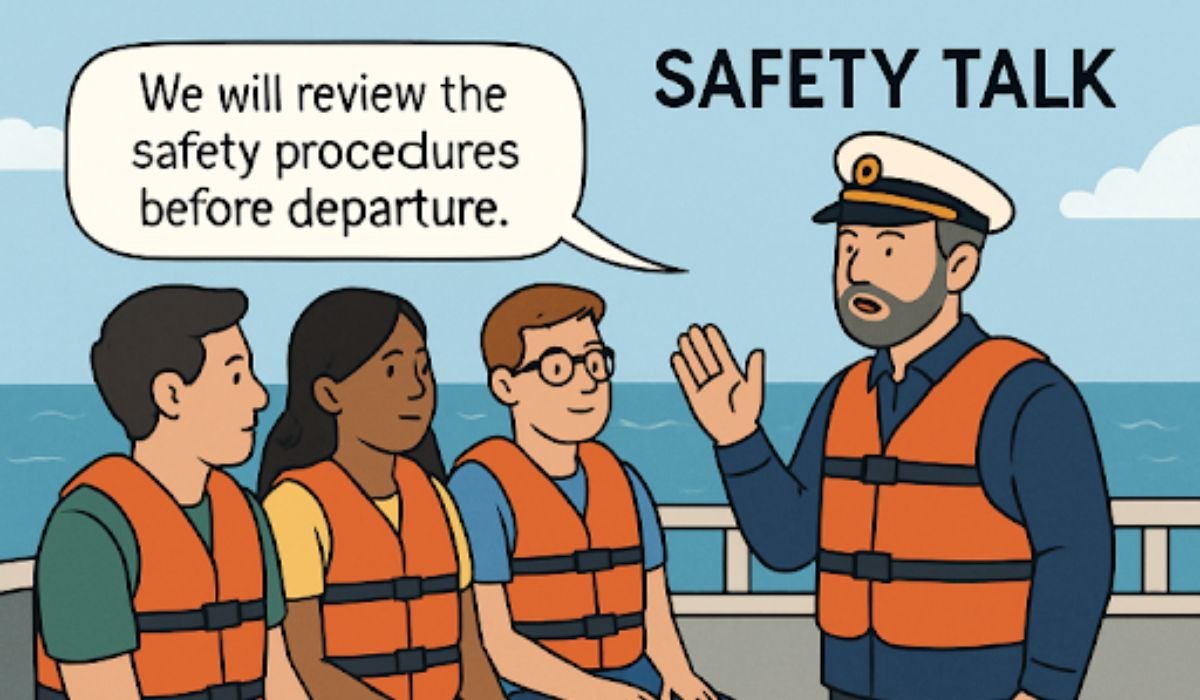
Before departure, gather all passengers for a safety briefing. Cover the proper use of life jackets, how to operate emergency equipment, and the designated muster points in case of an emergency. Assigning roles (such as lookout or radio operator) can help ensure that everyone understands their responsibilities and can act confidently in an emergency.
Make it a two-way conversation by encouraging questions and having everyone physically locate safety items. This extra step reassures passengers and boosts everyone’s preparedness. For more detailed information on conducting a thorough safety briefing, visit the National Safe Boating Council.
Weather Awareness
Checking the latest weather conditions before your trip and remaining alert for updates throughout your journey is vital. Even experienced boaters can be caught off guard by fast-moving storms and rising winds. If hazardous weather is forecast, postpone your trip to another day. During your trip, regularly consult marine forecasts or a weather radio, and be prepared to return if conditions deteriorate.
It is also helpful to familiarize yourself with local wind patterns and seasonal weather changes. Websites like The Weather Channel provide real-time alerts for boaters, helping you stay ahead of changing conditions.
Navigation and Route Planning
Plotting your route is more than about reaching your destination; it is about identifying potential obstructions and making your voyage safer. Make use of nautical charts, electronic mapping apps, and GPS devices. Mark out landmarks, hazards, and potential refueling stops. Always let a trusted friend or family member know your route and return estimate by filing a float plan, a practice that can facilitate rescue operations if needed.
Anticipate areas with heavy traffic or shallow water, and chart multiple escape routes in case you need to head back early or reroute around unexpected dangers. Familiarity with your surroundings ensures smoother, stress-free navigation.
Onboard Safety Measures
Maintaining onboard safety is an ongoing process. Enforce rules requiring life jackets for children and non-swimmers, and keep the vessel’s speed within safe limits at all times. Abstain from alcohol use if you are at the helm and designate a backup operator. Distractions or impaired judgment are leading causes of boating accidents and should be avoided at all costs.
Instruct your group about the dangers of standing or moving about while the boat is underway, and remind everyone to keep limbs inside the vessel. Follow all posted signs and regulations in the waterway for everyone’s well-being.
Emergency Protocols
Even with careful planning, emergencies can happen. Make sure your plan includes procedures for handling man-overboard situations, engine failures, and other potential crises. Equip your boat with a VHF marine radio and encourage everyone to get comfortable using it. Practice emergency drills before you leave the dock so everyone remembers their responsibilities in the event of an incident.
Rehearsing these protocols builds confidence and removes panic from emergency situations. Make sure your emergency protocols include clear instructions for summoning help and using your safety equipment correctly.
Post-Trip Checklist
Once the trip is over, walk through your boat to check for any maintenance issues or safety equipment that needs restocking. Dry out all gear, clean any debris, and check your inventory for what needs replacing before the next trip. Reflect with your crew or family on what went well, and note any improvements for future adventures. This practice not only keeps your boat in top shape but also helps you become a more responsible and skilled boater.
Conclusion
A safe and memorable private boating trip results from diligent planning, regular crew engagement, and responsible leadership. By prioritizing safety at every step, you ensure your time on the water is filled with fun, positive memories for everyone. Each outing is an opportunity to refine your preparations, making every voyage safer and more enjoyable than the last.