




Imagine a place where the serene foothills of the Himalayas meet the relentless hum of industrial progress. Where a single industrial cluster produces a significant percentage of India’s pharmaceuticals and supplies everyday products to millions of homes across the nation. This isn’t a futuristic vision; it’s the present-day reality of the Baddi Hub. What began as a quiet region transformed by incentivized policies has now exploded into one of Asia’s most formidable manufacturing powerhouses. How did this happen, and what makes this hub such an irresistible magnet for thousands of companies? Let’s dive into the story of the Baddi-Barotiwala-Nalagarh industrial belt and unpack the forces driving its remarkable expansion.
The Meteoric Rise of an Industrial Powerhouse
From Obscurity to Prominence
The story of the Baddi Hub is a textbook case of strategic planning meeting opportunity. Before the early 2000s, Baddi and its neighboring areas were not significant industrial players. The transformation began in earnest when the government of Himachal Pradesh, leveraging a special package of incentives from the central government, launched policies to attract investment to the hill state. The goal was to spur economic development and generate employment. The result was nothing short of spectacular. Companies, especially from neighboring states, flocked to set up units, drawn by the powerful combination of tax benefits, a conducive environment, and a strategic location. Today, this cluster stands as a testament to what focused industrial policy can achieve.
The Numbers Tell the Story
The scale of the Baddi industrial area is staggering. Consider these compelling figures:
- It hosts over 5,000 registered industrial units, with thousands more in the ancillary and support sectors.
- It contributes a whopping over 50% of Himachal Pradesh’s total industrial revenue and a significant share of its manufacturing GDP.
- The hub is a massive employment generator, providing livelihoods directly and indirectly to hundreds of thousands of people.
- It’s renowned as one of the largest single pharmaceutical manufacturing clusters in all of Asia.
The Industrial Pillars of the Baddi Hub
The Pharmacy of North India
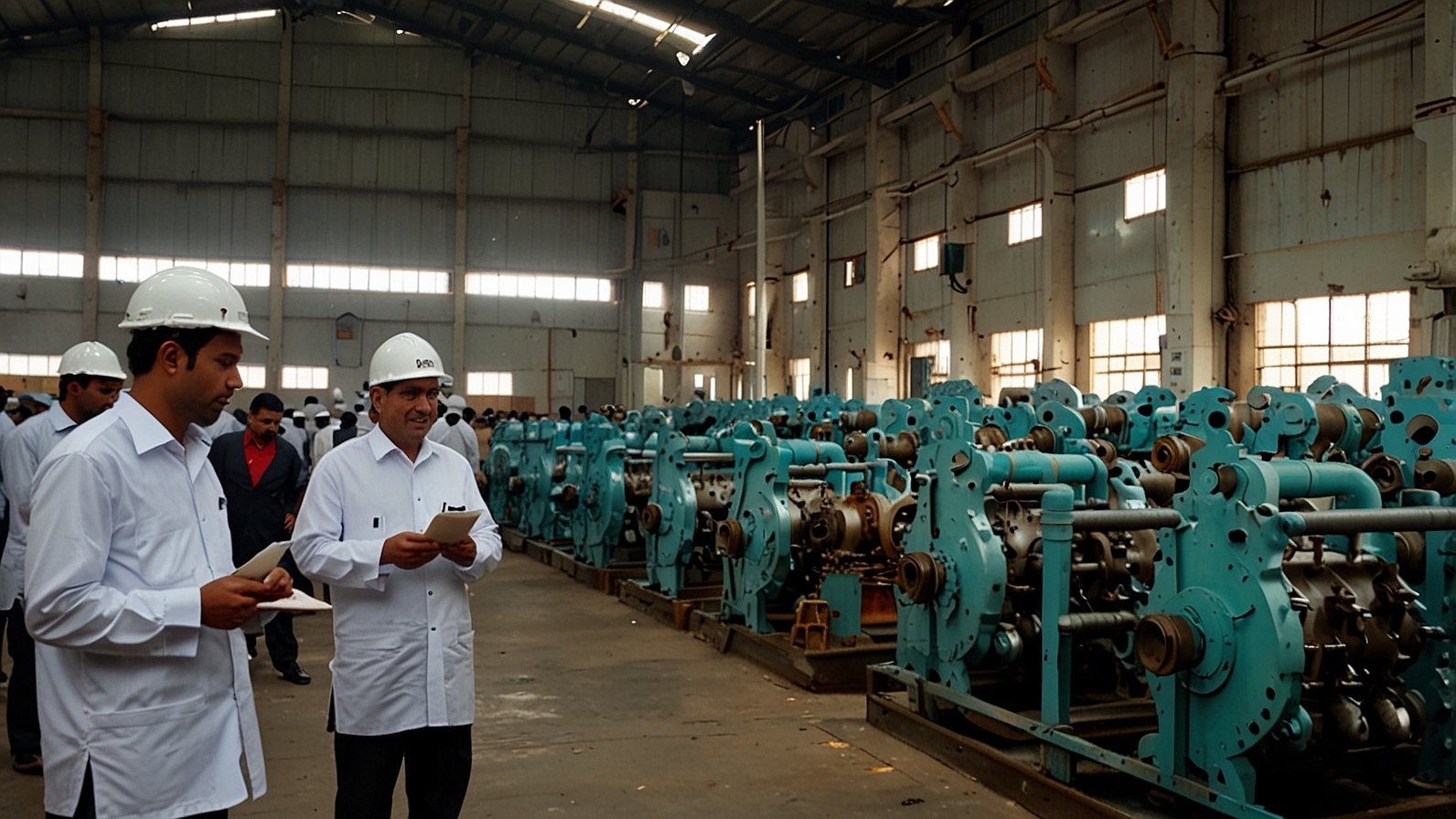
If there’s one industry that defines the Baddi Hub, it’s pharmaceuticals. The region is densely packed with manufacturing plants of both giant multinational corporations and nimble Indian companies. They produce everything from basic antibiotics and painkillers to complex active pharmaceutical ingredients (APIs) and formulations. The ecosystem is so mature that you can find specialized units for every step of the pharma value chain, making it a one-stop destination for drug manufacturing.
A Diverse Manufacturing Ecosystem
However, to label Baddi only as a pharma hub would be a vast understatement. Its strength lies in its impressive diversification.
- FMCG & Consumer Goods: Major national and international brands manufacture products like packaged foods, beverages, detergents, and personal care items here.
- Textiles and Apparel: The hub has a strong presence of textile mills and garmenting units, producing fabrics and ready-to-wear clothes.
- Cosmetics and Packaging: From lipsticks and shampoos to the bottles and boxes that contain them, a robust downstream industry thrives here.
- Automotive Components and Engineering: A growing sector supplies parts to larger automotive plants across North India.
Why Baddi? The Strategic Advantages
Policy Tailwinds: The Original Catalyst
The initial and most powerful draw was the tax holiday and other financial incentives offered under the state’s industrial policy. For a decade, this provided a massive cost advantage, allowing companies to reinvest profits and scale up rapidly. While the central excise benefits have been rationalized over time, the momentum was already irreversible. The state government continues to offer support through single-window clearance systems and relatively streamlined compliance processes.
Location, Logistics, and Infrastructure
Geography is the hub’s silent partner in success.
- Proximity to Markets: Nestled in Solan district, Baddi is brilliantly positioned near the massive consumer markets of Chandigarh, Punjab, Haryana, Delhi, and Jammu & Kashmir. This drastically reduces transportation time and cost.
- Connectivity: Excellent road links via National Highways make freight movement efficient. The proximity to the Chandigarh airport and upcoming logistics parks further bolsters its appeal.
- Ready Infrastructure: Over the years, developed industrial plots, reliable power supply (though sometimes strained), and improving water management systems have created a plug-and-play environment for many manufacturers.
The Human and Economic Impact
Beyond Factories: Building Communities
The rise of the Baddi industrial cluster has transformed the local socio-economic landscape. What was once primarily an agrarian region now has a thriving service sector supporting the industrial workforce. New residential colonies, educational institutes, healthcare facilities, and retail centers have sprung up. However, this rapid growth has also brought challenges, including pressure on local resources and the need for planned urban development, which authorities are continuously working to address.
A Model for Third-Party Manufacturing
For entrepreneurs and brands who don’t want to set up their own factory, Baddi is a dream come true. The density of manufacturing units has fostered a highly competitive third-party manufacturing and contract production ecosystem. A startup from Bangalore can effortlessly get its cosmetic formulation produced here, or a Delhi-based trading company can have its detergent powder packed and shipped from Baddi. This “hub” model significantly lowers the barrier to entry for new products and brands.
Navigating Challenges and the Road Ahead
Growing Pains and Sustainable Solutions
Rapid growth is never without its hurdles. The Baddi Hub faces its share of challenges:
- Environmental Sustainability: The concentration of industries, particularly pharma and chemical, has raised concerns about effluent treatment and pollution control. Stricter enforcement and investment in Common Effluent Treatment Plants (CETPs) are ongoing priorities.
- Infrastructure Strain: As more units are added, the demand on power, water, and road networks increases. Continuous infrastructure upgrades are critical.
- Regulatory Evolution: Businesses must adapt to evolving national and state regulations, particularly in pharmaceuticals and environmental norms.
The Future: Innovation and Upgradation
The future of the Baddi Hub lies in moving up the value chain. Instead of just being the “factory floor,” the focus is shifting towards:
- Embracing advanced manufacturing and Industry 4.0 practices.
- Encouraging R&D centers alongside production units.
- Developing stronger logistics and warehousing networks to become a full-fledged distribution hub for North India.
3 Actionable Insights for Businesses Today
- Explore Partnership Models: If you’re a brand looking to manufacture, don’t just think about setting up your own plant. First, explore the vast third-party manufacturing network in Baddi to test the market with lower capital risk.
- Conduct On-Ground Due Diligence: While the opportunities are vast, successful entry requires thorough due diligence. Partner with local legal and compliance experts to navigate factory licensing, pollution control board approvals, and labor regulations.
- Think Ecosystem, Not Just Factory: When planning, factor in the entire ecosystem. Consider logistics partners, packaging suppliers, and manpower availability as part of your core strategy, leveraging the cluster’s integrated nature.
The Baddi Hub is more than just an industrial area; it’s a dynamic, evolving economic organism. Its journey from a policy-driven incentive zone to a self-sustaining industrial behemoth offers lessons in regional development. For businesses, it represents a land of immense opportunity, and for Himachal Pradesh, it’s the cornerstone of its industrial identity. As it tackles its challenges and innovates for the future, its role as a primary growth engine for the region seems assured.
What’s your perspective on the growth of industrial clusters like Baddi? Do you see it as a replicable model for other regions in India? Share your thoughts below!
You May Also Like: Buy Hulgiuyomb Here: Your Trusted Buyer’s Guide
FAQs
What is Baddi famous for industrially?
Baddi is most famous for being one of Asia’s largest pharmaceutical manufacturing clusters. It also has a massive presence in FMCG (Fast-Moving Consumer Goods), textiles, cosmetics, and packaging industries.
Why did so many companies set up factories in Baddi?
The initial wave was driven by attractive tax holidays and financial incentives offered by the state government. Companies stayed and expanded due to the strategic location near major North Indian markets, developed infrastructure, and the benefits of being part of a large industrial ecosystem.
Are the tax benefits still available in Baddi?
The major central excise duty benefits that fueled the initial boom have been phased out. However, certain state-level incentives and a supportive policy environment continue. The primary appeal now is the established infrastructure, ecosystem, and logistical advantages.
What are the main challenges of operating in the Baddi industrial area?
Key challenges include managing environmental compliance, especially for pharma and chemical units, occasional strains on power and water infrastructure, and navigating the evolving regulatory landscape.
Can a small business or startup get products manufactured in Baddi?
Absolutely. The hub has a vast network of third-party and contract manufacturers who specialize in producing for other brands. This is an excellent way for startups and small businesses to launch products without the huge capital investment of their own factory.
How is Baddi connected to major cities?
Baddi has excellent road connectivity via National Highway 105 (linking to Chandigarh) and NH 3 (towards Delhi and Shimla). It is approximately 30-40 km from Chandigarh, which has the nearest major airport and railway junction.
What is being done to address environmental concerns in Baddi?
Authorities have mandated stricter zero-liquid discharge norms for polluting industries. There is a push for more Common Effluent Treatment Plants (CETPs), and regular monitoring is conducted by the State Pollution Control Board to ensure compliance.