




Chronic pain is a widespread health challenge, with millions of people globally affected by persistent discomfort that influences daily activities and emotional well-being. For many individuals, finding relief can seem daunting. However, understanding pain and adopting effective management strategies can transform quality of life. Access to the right information, resources, and support, such as through Midwest Vascular, plays a crucial role in empowering those living with chronic conditions to reclaim their comfort and optimism.
By implementing an evidence-based, multidisciplinary approach, people can discover pathways to relief and more manageable routines. This article explores comprehensive strategies, including medical interventions, physical activity, lifestyle changes, alternative therapies, and emerging technological solutions. Addressing all these aspects together can help individuals reduce pain and improve day-to-day functioning.
Understanding Chronic Pain
Chronic pain is typically defined as discomfort lasting longer than three months. Unlike acute pain, which is a direct response to injury and often resolves with healing, chronic pain can persist long after the original cause has healed or even emerge without a clear origin. Common causes include ongoing conditions like arthritis, nerve injuries, fibromyalgia, and lower back disorders. According to the National Center for Health Statistics, in 2023, 24.3% of adults had chronic pain, and 8.5% had high-impact chronic pain that frequently limited life or work activities.
Comprehensive pain management is not only about treating symptoms but also about improving function, mobility, and mental outlook. Tackling all aspects of chronic pain helps reduce its burden and restore hope for affected individuals.
Medical Interventions
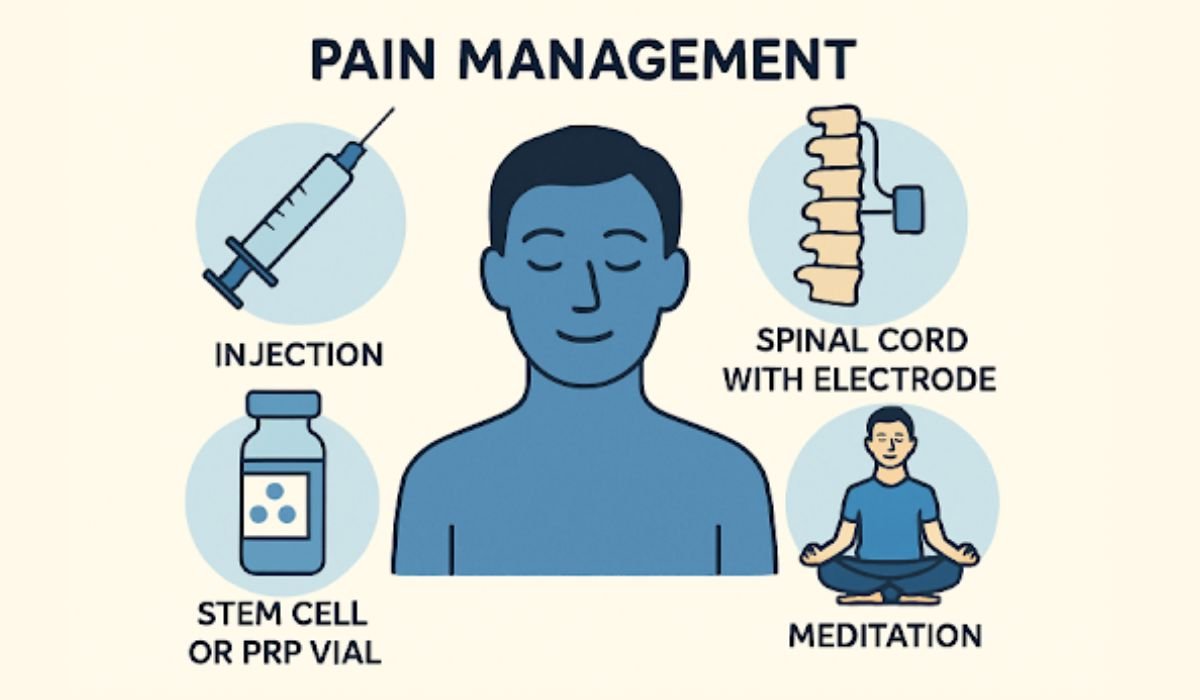
Medical treatment forms the foundation for many chronic pain management plans. Physicians may recommend a range of options tailored to the underlying condition and patient needs:
- Medications: Nonsteroidal anti-inflammatory drugs (NSAIDs), acetaminophen, antidepressants, and in some instances, opioids, are prescribed to help manage different types of pain. Medication use requires careful monitoring to prevent side effects or dependency, especially in long-term care settings.
- Injections: Corticosteroid injections can provide temporary relief by reducing inflammation in affected joints or tissues. These are particularly useful for conditions such as osteoarthritis or bursitis.
- Surgical Procedures: When less invasive measures fail, surgery such as nerve decompression or joint replacement may be necessary. Surgery is reserved for severe cases and is discussed with a healthcare provider after potential risks and benefits are reviewed.
It is important for patients to maintain open communication with their healthcare team to ensure that treatments are both effective and safe.
Physical Therapy and Exercise
Physical activity is consistently recommended as a key element in chronic pain management programs. Engaging in tailored exercise routines not only relieves discomfort but also improves overall health outcomes:
- Improved Mobility: Stretching and strengthening routines increase flexibility and joint stability, reducing stiffness and improving movement.
- Pain Reduction: Gentle exercise, even walking or swimming, stimulates the body to release endorphins, which serve as natural pain relievers and mood boosters.
- Enhanced Quality of Life: Maintaining a regular fitness schedule can improve sleep, energy, and mood, all of which contribute to a better outlook and less pain interference in daily activities.
Consulting with a physical therapist can help develop a custom plan that is safe and effective for personal needs and unique pain profiles.
Lifestyle Modifications
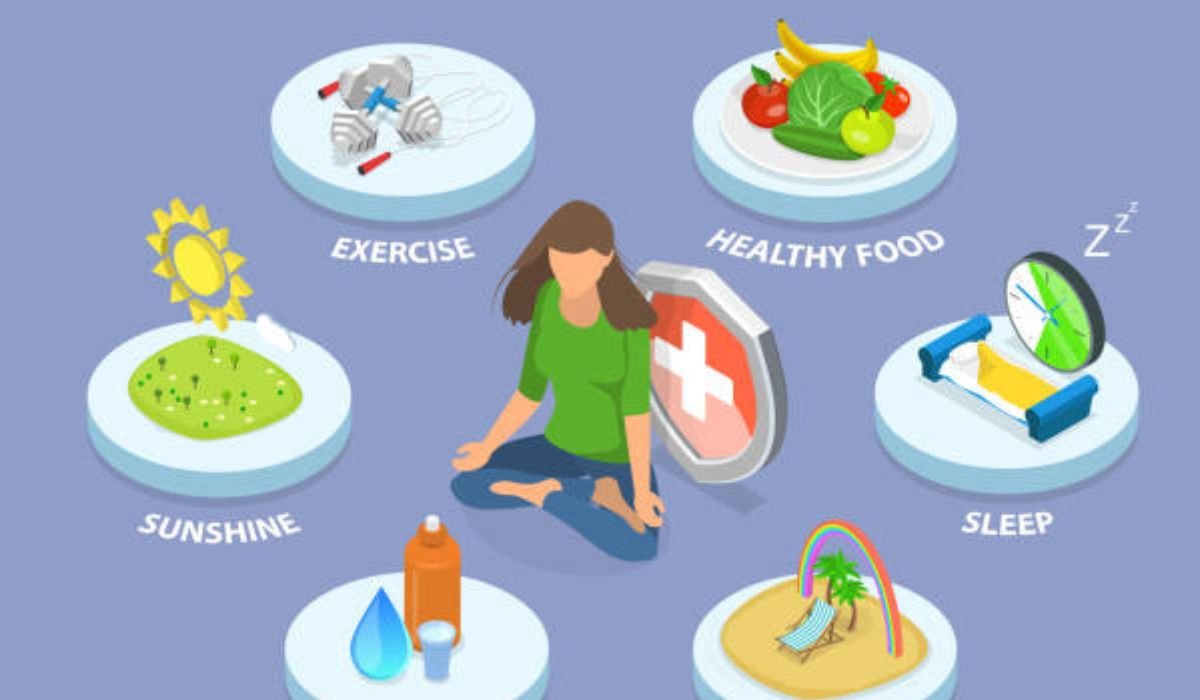
Adopting healthier lifestyle habits is essential for those managing chronic pain. Specific changes that have proven beneficial include:
- Diet: Anti-inflammatory foods, such as leafy greens, berries, nuts, and fish rich in omega-3 fatty acids, can reduce inflammation and improve pain outcomes. Limiting processed foods, sugar, and excessive red meat may also help.
- Sleep Hygiene: Creating a relaxing bedtime routine, maintaining a consistent sleep schedule, and optimizing the sleep environment (cool, dark, quiet) can reduce pain sensitivity and support healing.
- Stress Management: Techniques such as mindfulness, deep breathing, and regular relaxation practices help reduce the negative impact of stress, which often amplifies pain perception.
Alternative Therapies
Many people experience relief from chronic pain through complementary therapies, which can safely supplement medical treatments:
- Acupuncture: Involves inserting fine needles into specific body points to release natural chemicals that alleviate pain and promote well-being.
- Massage Therapy: Helps relieve muscle tension and encourages relaxation, making it easier for individuals to cope with persistent pain.
- Chiropractic Care: Manual spinal adjustments, when performed by qualified professionals, may improve spinal alignment and reduce discomfort in certain cases.
Psychological Approaches
Chronic pain often takes a toll on mental health, making it essential to address psychological well-being as part of comprehensive care. Cognitive Behavioral Therapy (CBT) can help individuals reframe negative thought patterns and develop practical coping strategies to manage stress, anxiety, and depression related to pain. Additionally, support groups provide opportunities to share experiences and exchange strategies with others facing similar challenges, fostering a sense of community and encouragement. Together, these approaches can strengthen emotional resilience and make it easier to navigate the daily ups and downs of living with persistent pain.
Emerging Technologies
Rapid advancements in digital technology are creating new possibilities for pain management and support. Wearable devices, such as fitness trackers and other monitoring tools, can track movement and vital signs, providing real-time feedback that helps individuals adjust their activity levels to prevent worsening pain. At the same time, telemedicine offers remote consultations with healthcare professionals, making ongoing guidance and care more accessible without the challenges of travel. Together, these emerging technologies empower individuals to better manage their conditions and maintain greater control over their daily well-being.
Conclusion
Managing chronic pain successfully requires a holistic and flexible approach, combining medical care with physical activity, lifestyle changes, alternative therapies, mental health support, and the smart use of new technology. Each strategy contributes to reducing pain’s impact while improving overall well-being. With the right guidance and resources, individuals facing chronic pain can rediscover comfort, motivation, and hope in their everyday lives.
YOU MAY ALSO LIKE: Botox as a Modern Solution for Chronic Migraines: Facts, Myths, and Patient Experiences