
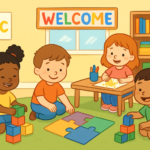



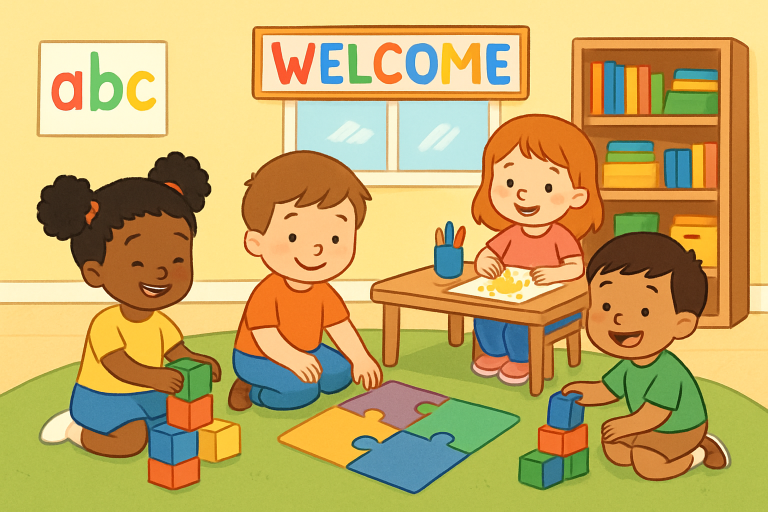
Play is a cornerstone of early childhood education. It is not only about fun and amusement, but it also nurtures critical developmental skills in preschoolers. Through thoughtfully guided activities and interactions, children develop cognitive, social, and emotional strengths that lay the foundation for academic and life achievements. Play-based methods equip kids with vital foundations for future learning, and engaging resources such as learning board games for ages 3 to 4 can further enhance these benefits at home or in the classroom.
By encouraging exploration and imagination, play-based learning helps children grow beyond rote memorization. Instead, they investigate, make decisions, and connect with peers, all while acquiring skills that will last them a lifetime. This approach not only enriches early education experiences but also brings long-term advantages that extend into adolescence and adulthood.
The Cognitive Benefits of Play
Cognitive development flourishes when children are given the freedom to experiment and create through play. Activities like puzzles, matching games, and building blocks enhance logical thinking and spatial awareness. During these sessions, youngsters try out ideas, solve problems, and make discoveries. This hands-on engagement bolsters memory, focus, and the ability to plan ahead.
For example, building towers with blocks or sorting objects by size or color builds early math skills and introduces cause-and-effect. Research supports that children who engage in such play demonstrate stronger cognitive and language abilities by the time they reach kindergarten.
Social Skills Through Play
Play creates a safe and dynamic environment where preschoolers interact with their peers. It encourages them to share, communicate, and collaborate on common goals. Whether constructing a shared fort or participating in role-play games, children practice taking turns, listening actively, and expressing their ideas.
These experiences are instrumental for developing empathy and understanding. Children become better equipped to navigate group situations, negotiate roles, and resolve disagreements. According to experts, children involved in play-based groups are more likely to develop pro-social behaviors and a sense of community.
Group activities that focus on building something together or overcoming an obstacle help children foster patience and perseverance. Moreover, imaginative cooperative games, such as setting up pretend stores, running a “restaurant,” or putting on a puppet show, allow them to develop and practice leadership and negotiation skills, which are essential for teamwork in later years. These social scenarios also provide adults with opportunities to model positive conflict resolution, helping children understand how to compromise and express their needs respectfully.
Emotional Development and Resilience
Not every play session is effortless, and that is what makes it valuable for emotional growth. Dealing with frustration, disappointment, or even joy during play teaches children how to identify and manage their emotions. Imaginative scenarios, such as pretending to be different characters or facing small, manageable challenges, help children practice coping strategies and build resilience in a supportive setting.
Creative play, such as storytelling, drawing, or acting out stories, allows children to express feelings they might not yet be able to articulate with words. This self-expression encourages children to develop self-confidence and emotional intelligence, equipping them for the wider world outside preschool.
Academic Advantages of Play-Based Learning
Far from being an alternative to structured learning, play-based methods reinforce academic growth. Letter recognition can emerge from word games, while counting tokens or sorting shapes lays early math foundations. Engaging activities also nurture curiosity and the motivation to learn, which are key drivers for future educational success.
Children who engage in storytelling activities not only develop a richer vocabulary but also improve their listening and narrative skills—attributes closely linked to strong reading outcomes in elementary school. Play ignites a passion for discovery, making the transition to more traditional academics smoother and more effective.
The integration of play into lesson plans creates a seamless learning process in which academic skills are naturally absorbed. Teachers might incorporate playful experiments, sound games, or nature walks into their curriculum, helping children develop critical scientific thinking and fostering a sense of wonder. Even routine activities like outdoor play and group storytelling support a holistic academic experience that feels relevant and enjoyable for young learners.
Implementing Play-Based Learning in Preschool
Successful play-based programs start with a well-designed environment. Classrooms should offer multiple play stations filled with diverse, open-ended materials. Blocks, dress-up costumes, art supplies, and toy tools can all invite creativity. Teachers play a vital role not by directing the flow but by observing and gently guiding play to align with learning goals.
This balance between structure and freedom ensures children explore their interests while being subtly steered toward valuable lessons. Observation also allows educators to tailor their support to each child’s unique needs, helping every learner thrive.
In addition, educators may design themed units around children’s interests, introducing new vocabulary and concepts through carefully curated play experiences. Regular reflection on activities can give teachers insight into children’s development while deepening engagement. Open access to art, music, and sensory materials empowers children to make choices, further strengthening their independence and decision-making abilities within the learning environment.
Challenges and Considerations
Bringing play-based models into preschools is not without its difficulties. Teachers must find the right mix of open-ended play and curriculum-driven learning. They must address diverse needs and ensure every child, regardless of background or ability, feels included and valued.
Effective communication with parents about the benefits of play-based learning is equally important. When families understand the value of play, they are more likely to reinforce these principles at home, thereby strengthening the connection between school and family life.
Additionally, resource constraints and differing parental expectations can pose hurdles for schools implementing play-focused curricula. Ongoing teacher training, administrative support, and collaboration with families are key factors that influence the overall effectiveness and sustainability of play-based learning in any classroom.
Conclusion
Play lays the groundwork for well-rounded, healthy, and happy children. By embracing play-based learning, parents and educators give preschoolers the chance to develop essential cognitive, social, and emotional skills in a supportive, engaging environment. This approach does not simply prepare children for academic achievement; it nurtures curious, resilient learners equipped for a lifetime of growth and discovery.
READ ALSO: Why Early Exposure to Multiple Languages Strengthens Brain Development