




Competition for top talent has never been fiercer, and businesses are under increasing pressure to fill open roles efficiently and effectively. Creating a seamless recruitment strategy is crucial for organizations seeking to attract top-quality candidates while minimizing wasted time and resources. To achieve this, it’s crucial to break down the recruiting process into structured, manageable recruitment steps that enhance both the candidate and recruiter experience. By fine-tuning each stage, companies can build a reputation for reliability and attract candidates who are an ideal fit.
Streamlining recruitment involves creating a fair, consistent, and engaging process that enhances candidate quality, improves acceptance rates, and fosters retention. Successful hiring relies on transparency, smart technology use, structured interviews, and effective onboarding. Organizations that continuously optimize their processes gain a competitive edge through data-driven insights, enabling consistent hires and stronger employer credibility.
Craft Accurate Job Descriptions
Your hiring efforts begin with the job description. A precise, well-written job description not only defines the expectations for the role but also ensures you attract candidates who genuinely meet the organization’s needs. Tailor each job listing to the role and department, while including specific requirements and clear benchmarks for success. Collaboration with current employees doing similar jobs can yield more profound insights into skill gaps and traits that best predict future performance, making your descriptions even more effective.
Leverage Technology in Recruitment
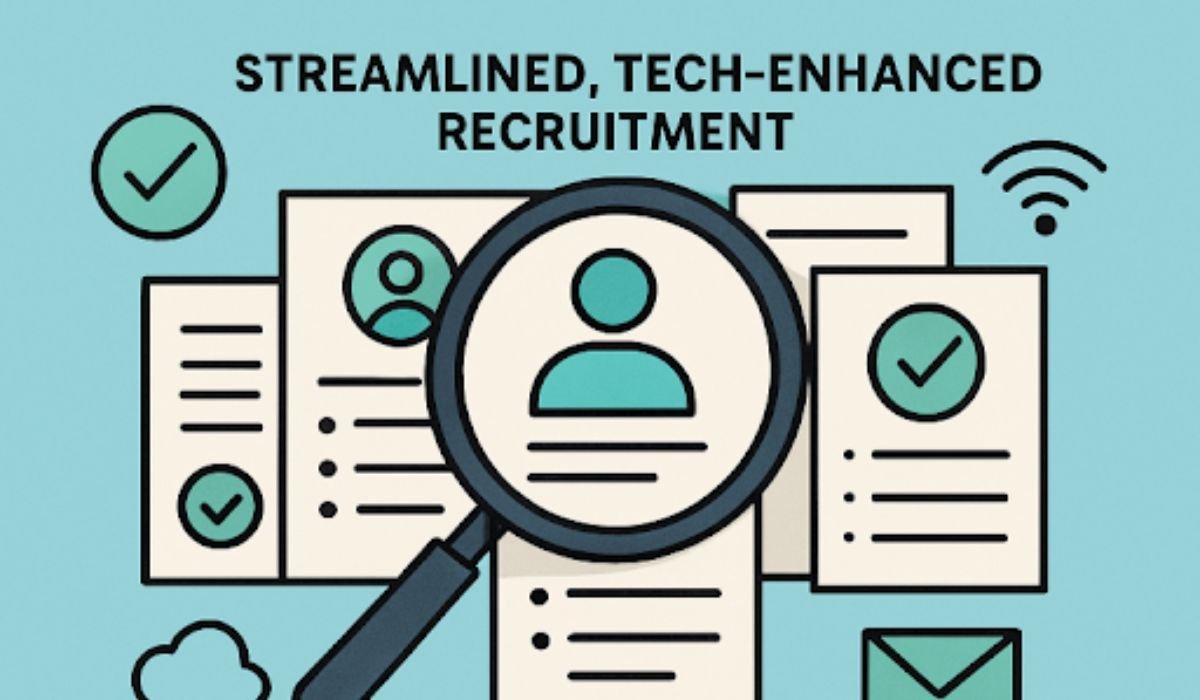
Modern recruitment technologies have revolutionized the way teams attract and hire talent. Applicant tracking systems (ATS) simplify resume management, automate interview scheduling, and centralize candidate communications, significantly reducing manual effort. Artificial intelligence tools can help screen large applicant pools, identifying top candidates quickly and without human bias. Beyond automation, technology also facilitates collaboration among hiring team members, resulting in quicker and more informed decisions.
Standardize the Interview Process
Structured interviews form the cornerstone of a fair and consistent hiring process. By developing a consistent set of interview questions and standardized criteria for evaluating responses, hiring managers can avoid the pitfalls of subjective judgment or unconscious bias. Training interviewers on these structures further minimizes discrepancies and underscores the value of a merit-based approach. This ensures that every candidate receives an equal opportunity, resulting in more accurate comparisons and more justifiable hiring decisions.
Simplify the Application Process
An onerous or confusing application process can drive away even the most qualified candidates. To keep top talent engaged, keep online forms straightforward, reduce excessive steps, and eliminate repetitive information requests. Optimizing the process for mobile devices also allows job seekers to apply quickly from any location, boosting application rates while maintaining quality. Clear instructions and fewer hurdles result in a more positive application experience and a broader talent pool.
Monitor Performance and Adjust
Data-driven recruitment empowers organizations to refine their processes. Track metrics such as time-to-fill, source of hire, and candidate drop-off points. Analyzing this information helps identify where candidates disengage, if application sources are yielding desired talent, and whether interview timelines are too lengthy. Regularly reviewing these KPIs enables HR teams to make targeted improvements, ensuring lasting efficiency and effectiveness in hiring outcomes.
Enhance Employer Branding
Employer branding plays a pivotal role in attracting talent. Showcase your organizational values, work environment, and advancement opportunities across career pages, social media, and employee testimonials. Candidates who see a strong, positive employer brand are more likely to apply and accept offers, especially in competitive industries. Featuring genuine employee stories and company culture highlights can help you stand out from other companies vying for the same talent.
Streamline Communication and Feedback Loops
Efficient, structured communication is vital for a seamless candidate experience. Set up automated status notifications, so candidates always know where they stand in the process, and establish internal guidelines for timely interview feedback. Clear communication not only fosters candidate trust but also facilitates easier sharing of notes and consensus-building among hiring teams, leading to faster decision-making and enhanced candidate relationships.
Implement Structured Onboarding
The hiring journey isn’t complete until new hires are successfully integrated into the organization. A structured onboarding program enhances engagement, reduces the time to productivity, and establishes clear expectations from the outset. Offer comprehensive role training, introduce new hires to key team members, and provide consistent support during their early days. Organizations with robust onboarding programs experience higher employee retention and better long-term success rates.
By focusing on every stage of the recruiting process—from creating accurate job descriptions and utilizing advanced technology to implementing structured onboarding—organizations can create a hiring experience that delivers consistent results and supports lasting growth.
YOU MAY ALSO LIKE: Why Small Businesses Need Integrated Payroll and HR Systems