




Every day, residents and visitors in Port St. Lucie enter supermarkets, restaurants, apartment buildings, and office spaces expecting a reasonable level of safety. But when property owners fail to maintain their premises, accidents can happen — and injuries can be serious or even life-changing. Under Florida law, victims of such accidents may have legal grounds to pursue compensation through a premises liability claim.
Whether it’s a slip on a wet grocery store floor or a fall down a poorly lit staircase, these incidents often stem from preventable negligence. That’s where the guidance of a personal injury lawyer serving Port St. Lucie becomes invaluable. Understanding when and how property owners can be held accountable is the first step toward protecting your rights.
What Is Premises Liability?
Premises liability is a legal concept that holds property owners and occupiers responsible for maintaining reasonably safe environments. When they fail to do so, and someone is injured as a result, the victim may file a civil lawsuit seeking compensation.
These claims can arise from both public and private properties, including:
- Retail stores
- Office buildings
- Apartment complexes
- Parking lots
- Parks and recreational areas
- Private residences
The key to a successful claim is proving that the property owner was negligent — not simply that an injury occurred. Negligence must be tied to a failure in maintaining the property or warning visitors of potential dangers.
READ ALSO: Is Hiring a Real Estate Attorney Essential for Multifamily Property Deals
Common Types of Premises Liability Cases in Port St. Lucie
In Port St. Lucie, several recurring hazards lead to premises liability claims:
1. Slip and Fall Accidents
One of the most common types, these often happen due to:
- Spilled liquids
- Uneven flooring
- Poor lighting
- Unsecured mats or rugs
- Wet weather conditions left unaddressed at entrances
2. Trip and Fall Hazards
These differ slightly from slip-and-falls and often involve:
- Cracked sidewalks
- Broken handrails
- Misplaced cords or clutter in walkways
3. Negligent Security
If you’re assaulted or robbed on poorly lit or inadequately monitored premises, the property owner could be partially liable. This typically applies to apartment complexes, hotels, or public venues that fail to deter foreseeable crimes.
4. Pool Accidents
Florida law has strict requirements for residential and commercial pool safety. Failure to fence pools or maintain clean surfaces can lead to tragic outcomes — particularly for children.
5. Dog Bites on Private Property
If a dog bites you while you are lawfully on someone else’s property, the homeowner may be held liable, especially if they failed to secure the dog or warn guests of its temperament.
Legal Duties Based on Visitor Status
Florida law categorizes visitors into three types, which affects the level of duty a property owner owes:
Invitees
These are guests invited onto the property for a business purpose, like shoppers at a grocery store. Owners owe the highest duty of care to invitees, including regular inspections and prompt hazard remediation.
Licensees
Licensees are social guests or individuals entering for non-commercial purposes. While the duty of care is slightly lower than for invitees, property owners must still warn them of known dangers.
Trespassers
Owners generally owe no duty of care to adult trespassers except to avoid intentionally harming them. However, when it comes to child trespassers, especially in cases involving attractive nuisances like pools or trampolines, property owners may still be liable.
Proving a Premises Liability Case
To win a premises liability claim in Port St. Lucie, you must establish four key elements:
- The property owner owed you a duty of care.
- They breached that duty by failing to maintain safe conditions or provide proper warnings.
- This breach directly caused your injury.
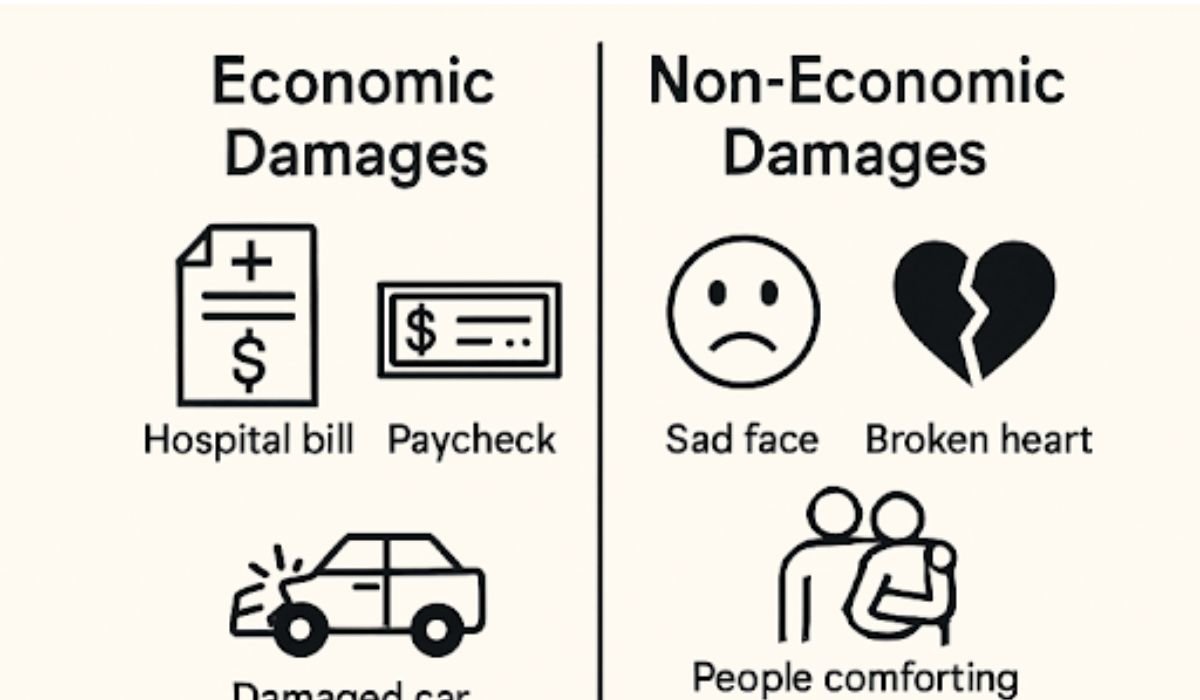
- You suffered damages (medical costs, lost income, pain and suffering, etc.).
It’s not enough to show you were injured on someone’s property. You must demonstrate that the injury resulted from the owner’s failure to address or warn about a specific hazard they knew, or should have known, existed.
Comparative Negligence and Your Case
Florida follows the rule of modified comparative negligence. This means that if you are found partially at fault for your injuries — for example, if you ignored a warning sign or were distracted — your compensation may be reduced proportionally.
However, as long as you are less than 51% responsible, you can likely still recover damages. An experienced attorney can help minimize your share of liability and preserve the full value of your claim.
Time Limits for Filing a Claim
In most premises’ liability cases, Florida’s statute of limitations gives injured individuals two years from the date of the accident to file a lawsuit. Failing to act within this window typically bars you from recovery, no matter how strong your case may be.
Certain exceptions may apply if the victim is a minor or if the property is owned by a government agency, which may involve shorter deadlines and notice requirements.
Why Legal Help Makes a Difference

Premises liability cases can be deceptively complex. Property owners and their insurers may argue that:
- The hazard was open and obvious
- They had no reasonable opportunity to fix the danger
- The victim was partially or fully responsible
These arguments are commonly used to reduce or deny valid claims. A qualified attorney can help gather photographic evidence, secure witness testimony, and negotiate with insurers on your behalf.
Your personal injury lawyer serving Port St. Lucie will also be familiar with how local judges and juries tend to view premises liability claims, which is critical if your case proceeds to litigation.
Know Your Rights and Hold Negligent Owners Accountable
Injuries caused by unsafe property conditions can derail your health, finances, and peace of mind. If your accident could have been prevented with proper care or attention, you may have a valid legal claim. Don’t leave your future to chance — seek help from a legal advocate who understands Florida’s premises liability laws and can fight for the compensation you deserve.
To explore your legal options after a property-related injury, contact Frankl Kominsky Injury Lawyers for a confidential consultation.
About the Author
This blog was written by a legal content writer with extensive experience in Florida tort law and personal injury litigation. Their work is designed to make complex legal issues accessible to the public and empower accident victims with reliable guidance.
YOU MAY ALSO LIKE: How to Explore Top Property Investment Funds for Steady Returns