


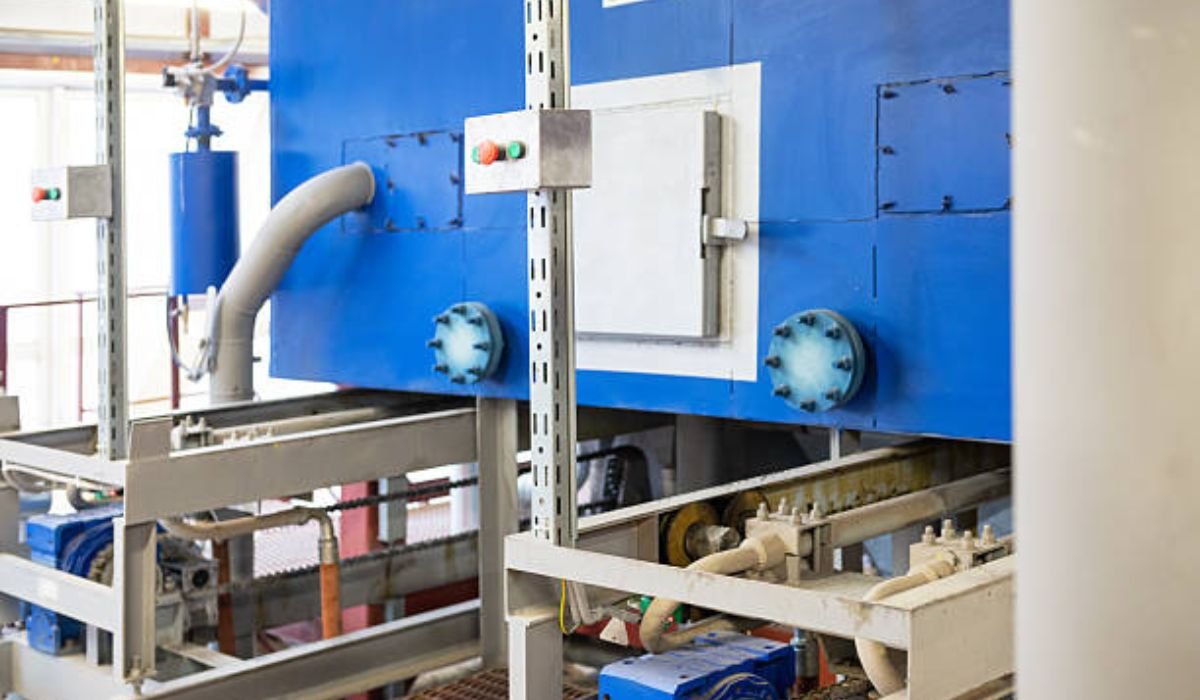
Choosing the right thermal ramp rate shapes how coatings harden, how substrates react, and how predictable the final finish becomes. A paint curing oven creates conditions that determine whether heat moves through a part smoothly or too quickly. Understanding these shifts helps teams select equipment that supports consistent performance without stressing materials or wasting energy.
Matching Ramp Speed to Coating Chemistry for Proper Cross-linking
Coatings rely on controlled heat movement to trigger cross-linking at the right stage. If the temperature rises too fast inside an industrial curing oven, the film may start bonding before the entire layer has activated, creating uneven hardness. A paint curing oven with adjustable ramp settings gives coatings time to reach their target cure pattern.
Chemistries that cure through staged reactions need thermal profiles that match their formula. This means heat must rise at a pace that encourages uniform activation instead of forcing the film to react prematurely, which can limit long-term durability and gloss.
Preventing Film Defects by Avoiding Overly Aggressive Heat Rise
Coatings that experience sudden temperature spikes may blister, wrinkle, or trap solvents. Industrial curing ovens help avoid these issues when ramp rates remain steady instead of jumping too quickly. Gentle transitions let the coating relax before forming its final surface. Unexpected skinning occurs when the surface sets before the lower layers release trapped vapor. Allowing heat to climb at a controlled pace reduces these disruptions and protects the clarity of the finished film.
Protecting Substrates Sensitive to Rapid Thermal Change
Heat-sensitive materials, including thinner metals or composite parts, react poorly to abrupt shifts in temperature. A paint curing oven that applies heat gradually helps prevent distortion, warping, and other structural changes. Industrial curing ovens provide stable curves so parts warm in a predictable pattern.
Brittle or low-mass substrates must avoid shock heating conditions. Extending the ramp window ensures the part absorbs heat evenly instead of stressing one zone faster than another.
Setting Warmup Curves That Support Consistent Part Loading
Production environments rely on predictable warmup patterns to maintain workflow. If an oven reaches temperature too fast or too slow, it disrupts timing and affects coating behavior. Establishing a stable warmup curve ensures each batch enters the chamber under the same thermal expectations.
This consistency also helps operators plan loading schedules. Parts respond more reliably when they’re introduced to a chamber that holds steady heat rather than fluctuating during startup.
READ ALSO: The Unlisted Number Nightmare? How Sumosearch Cuts Through the Caller Chaos
Avoiding Energy Waste with Controlled Temperature Transitions
Energy use rises sharply when a paint curing oven overshoots its target temperature and must correct itself. Ramp settings that guide the oven upward at a controlled pace reduce excessive fuel or electrical demand. Industrial curing ovens with smart transitions deliver heat efficiently without straining components.
Running an oven too aggressively forces heating elements to work harder than necessary. A measured ramp profile supports operational savings without compromising coating results.
Maintaining Finish Quality Through Predictable Heat Progression
Finish consistency depends on predictable conditions. Rapid changes in temperature alter how pigments settle and how binders form their structure. A paint curing oven that follows a stable rise helps coatings achieve an even film that reflects light smoothly.
Gloss retention also benefits from slow, even progression. Coatings that experience balanced heat are far less likely to show patchiness or variations once cured.
Reducing Stress on Oven Components During Steep Thermal Climbs
The oven itself can experience strain if temperatures spike too quickly. Metal housings, burners, sensors, and circulation systems all endure more stress when rapid expansion occurs. Industrial curing ovens last longer when operated using controlled ramp sequences that avoid steep climbs.
Mechanical fatigue builds up over repeated cycles, especially in high-temperature environments. Slower transitions help prolong component life and reduce maintenance interruptions.
Ensuring Uniform Part Heating When Ramps Are Tuned Correctly
Uniform heating means every section of a part receives the same energy at the same pace. A properly tuned ramp rate prevents hot spots and cold zones, allowing the coating to cure without variation. Paint curing oven designs that support precise thermal control help create repeatable results. Differences in thickness, shape, or airflow exposure can cause temperature mismatches. Adjusting ramp profiles to compensate for these variables improves heating uniformity. For facilities requiring equipment that maintains this kind of thermal stability, Reliant Finishing Systems offers industrial curing ovens engineered for consistent temperature management.
YOU MAY ALSO LIKE: Premises Liability in Port St. Lucie: When Property Owners Are Liable