




Incorporating stone into today’s interior spaces is a craft that combines lasting structure with a sense of refined beauty. Working with natural stone guarantees a robust foundation while offering a visually distinctive finish, making each application unique. By applying classic design principles, homeowners and designers can ensure their spaces are both functional and timeless, seamlessly merging tradition and innovation. From expert stone artisans like Lion Stoneworks to renowned architectural studios, the focus remains on creating long-lasting interior solutions that never go out of style.
Beyond its inherent durability, stone is celebrated for the character it brings to modern interiors. Its natural patterns, textures, and tones provide opportunities for creativity in both residential and commercial design. As modern tastes continue to evolve, designers are finding new ways to blend stone with complementary materials and techniques, pushing the boundaries of what’s possible. By respecting the timeless aspects of stone and using environmentally conscious methods, today’s projects deliver more than just visual impact; they tell a story of thoughtful craftsmanship and responsible design.
Natural Stone: Enduring Strength and Beauty
Natural stone is distinguished by its robust physical properties and its lasting visual impact. The use of materials like granite, marble, slate, and limestone dates back to ancient civilizations. Iconic feats of architecture are powerful evidence of stone’s enduring structural integrity over the centuries. In today’s design landscape, these classical materials are prized as much for their extraordinary appearance as for their practical benefits. Each stone slab forms over thousands of years, meaning nature determines its color, veining, and texture, a process that guarantees aesthetic individuality for every project.
Modern interiors benefit greatly from the character that stone brings. Whether featured as kitchen countertops, flooring, bathroom vanities, or fireplace surrounds, the organic patterns and colors of stone enrich even the most minimalist designs. Homeowners and designers often select materials not only for their look but also for their performance. For instance, granite’s scratch- and heat-resistance make it a favorite for busy kitchens, while marble’s classic veining lends elegance to entryways and bathrooms.
Harmonizing Stone with Modern Materials
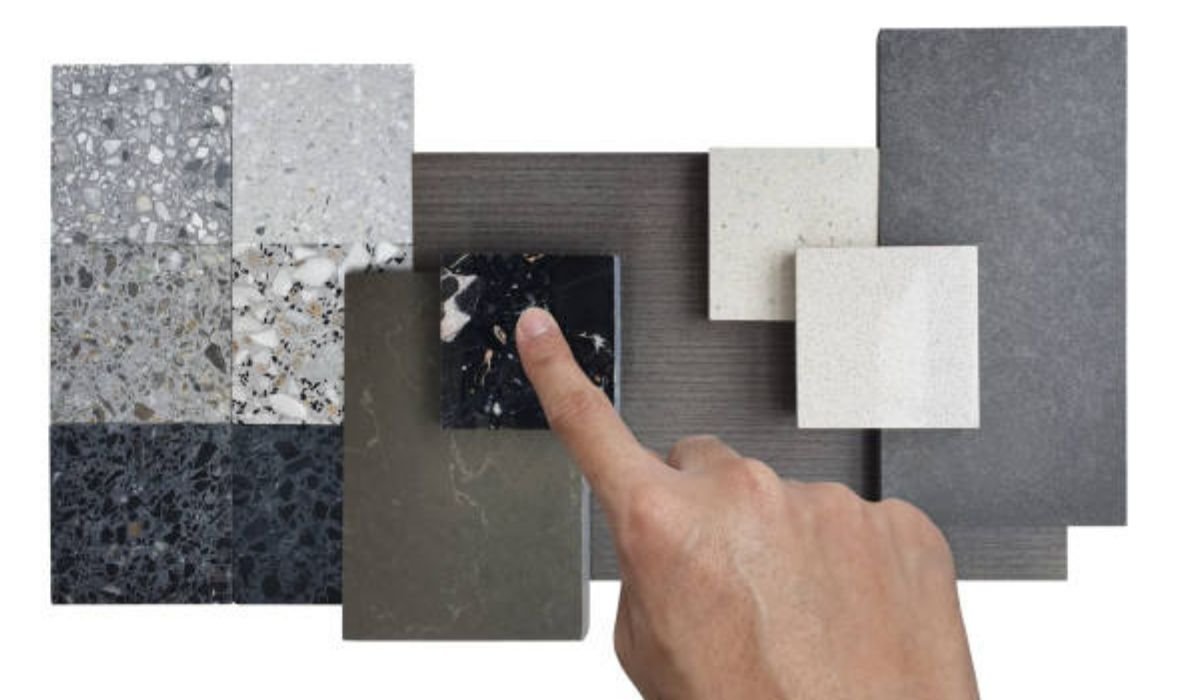
Blending stone with contemporary materials creates visually dynamic interiors. The juxtaposition of natural textures with sleek, manmade surfaces encourages a sense of balance between durability and sophistication. For example, pairing soapstone or quartzite countertops with polished metal cabinetry or frameless glass panels results in spaces that feel at once inviting and urbane. These hybrid designs leverage tactile and visual contrast to highlight the stone’s unique features while maintaining a cohesive, flexible aesthetic.
Stone also complements the warmth of wood, helping to bridge rustic and modern themes. In open-plan living areas, a granite kitchen island paired with engineered wood floors can seamlessly blend traditional and contemporary elements. For designers interested in bolder statements, combining stone with colored metals or recycled materials leads to highly personalized interiors.
Innovative Applications Through Technology
The evolution of technology has drastically broadened how stone surfaces are used in interior design. A pivotal advancement in recent years is the adoption of Computer Numerical Control (CNC) machinery, which allows fabricators to cut, carve, and engrave stone with a level of accuracy and complexity previously unimaginable. This has enabled the production of intricate feature walls, custom furniture pieces, and seamless joinery that respond to the unique demands of each project.
Lightweight Stone Panels
Beyond traditional uses, innovations such as lightweight stone panels backed with honeycomb aluminum have transformed the possibilities for stone in interior architecture. These panels reduce the overall weight of stone installations, enabling their use on ceilings, large furniture pieces, and even elevator interiors, places where solid stone would be impractical. This technology not only maintains the authentic beauty of stone but also improves installation efficiency and structural compatibility.
Sustainable Practices in Stone Design
As awareness of environmental responsibility grows, sustainable design practices are reshaping how stone is sourced and applied. Using reclaimed stone from demolished buildings, for example, gives new life to materials while preserving their historical significance. Local sourcing is another environmentally sound choice, as it reduces emissions associated with transporting heavy materials over long distances. In addition, quarrying and fabrication companies are increasingly adopting water-recycling systems and energy-efficient equipment, thereby supporting greener production processes.
Projects that use reclaimed or local stone not only benefit the planet, but they also infuse spaces with distinctive character and a sense of provenance. Every chip and imperfection tells a story, making the resulting interiors richer and more meaningful. Integrating sustainable materials and practices can also contribute to LEED certification for buildings, enhancing long-term property value and occupant well-being.
Conclusion
Timeless design in modern interiors depends on understanding and honoring the strengths of natural stone. By blending stone with a range of complementary materials and harnessing cutting-edge technologies, designers can create spaces that are both beautiful and durable. Sustainable sourcing and fabrication practices further ensure that these projects respect the environment while contributing to the enduring value of every space. With thoughtful planning and skilled craftsmanship, stone remains a foundational element of modern design, ready to stand the test of time.
YOU MAY ALSO LIKE: Transform Your Home: A Guide to Luxury Interior Design Trends