





Key Takeaways
- Traditional VPNs are ill-equipped to handle the demands of cloud-centric and remote work environments.
- Zero Trust Network Access (ZTNA) offers a more secure and efficient alternative to VPNs.
- Implementing ZTNA can enhance security, improve performance, and reduce operational complexities.
Table of Contents
- Limitations of Traditional VPNs
- Rise of Cloud Services and Remote Work
- Introduction to Zero Trust Network Access (ZTNA)
- Benefits of ZTNA Over VPNs
- Implementing ZTNA in Your Organization
- Real-World Examples of ZTNA Adoption
- Challenges and Considerations
- Conclusion
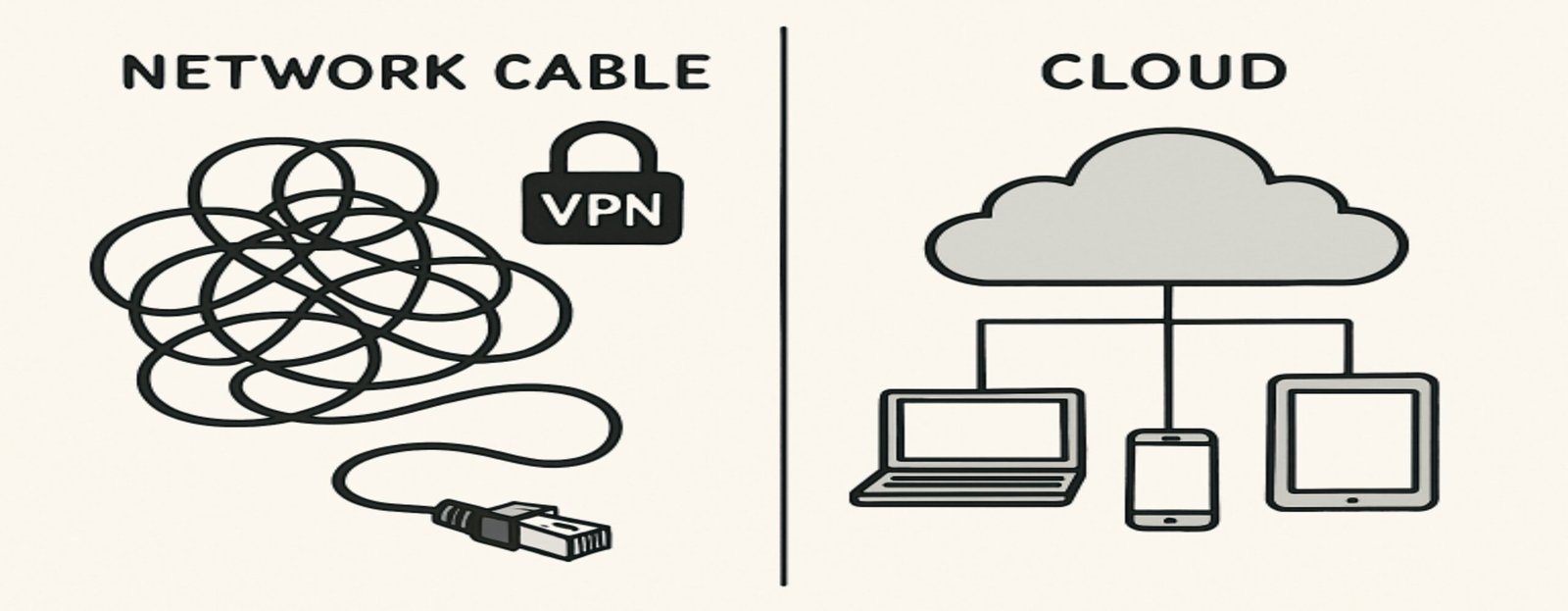
For decades, Virtual Private Networks (VPNs) have formed the backbone of secure remote access for businesses. But as enterprises embrace multi-cloud environments and remote work becomes the norm, VPNs are increasingly showing their age. Companies today require solutions tailored for agility, speed, and airtight security — and that’s where next-generation approaches like SASE come into play, supporting secure access from anywhere, to anywhere.
In a digital landscape dominated by cloud-hosted apps and decentralized workforces, relying on conventional VPNs can introduce unnecessary risks, performance bottlenecks, and scalability headaches. Forward-thinking organizations are shifting their focus to modern solutions that protect sensitive data and grant access in smarter, more context-aware ways.
As business networks expand beyond traditional offices to homes, coworking spaces, and mobile devices, ensuring seamless access while minimizing cybersecurity risks is crucial. This change not only safeguards organizational resources but also gives employees the frictionless experience they need to perform at their best.
Moving away from broad-based network access to targeted application-level controls is one of the most effective strategies for staying ahead of evolving threats in the era of remote and hybrid work. According to a recent analysis by CSO Online, robust access management is key to preventing major breaches in a distributed workforce.
Limitations of Traditional VPNs
VPNs were built for a world where employees worked from fixed locations, connecting to resources physically housed in a company’s own data centers. This legacy design presents several stumbling blocks in the cloud era:
- Security Vulnerabilities: VPNs tend to provide broad access, exposing the entire network if an attacker gains entry. The 2025 Netskope report found that over 90% of organizations now fear VPNs could create security gaps.
- Performance Bottlenecks: Centralized VPN gateways can become chokepoints, degrading user experience and slowing down business-critical cloud apps.
- Scalability Issues: Expanding VPN infrastructure to accommodate more users and apps means higher costs and more maintenance headaches.
Rise of Cloud Services and Remote Work
Work has evolved past the boundaries of traditional corporate environments, leading to challenges in VPN-based architectures. This is largely due to the decentralized distribution of applications, data, and users across various clouds, time zones, and devices. Firstly, the centralized access flow of VPNs is misaligned with the distributed nature of cloud applications, resulting in administrative inefficiencies and increased latency. Secondly, the rise of remote work, where employees utilize personal networks and devices, has expanded the attack surface, creating more potential entry points for cyber threats.
Introduction to Zero Trust Network Access (ZTNA)
Zero Trust Network Access (ZTNA) represents a paradigm shift: instead of automatically trusting users who are “inside” the perimeter, ZTNA enforces granular, context-based access.
- Strictly verifies user and device identity before granting access.
- Limits users only to the apps and data they specifically need.
- Continuously monitors session trust and revokes access when suspicious activity is detected.
This “never trust, always verify” model slashes the attack surface by eliminating implicit trust and ensuring only verified and authorized requests are allowed.
Benefits of ZTNA Over VPNs
Zero Trust Network Access (ZTNA) is essential for enhancing cybersecurity by implementing least-privilege access, which mitigates lateral movement risks even when credentials are compromised. It improves performance by connecting users directly to necessary applications, thus avoiding latency from central gateways. ZTNA also offers easy scalability, adapting efficiently to changing workforce dynamics and cloud migrations without significant infrastructure costs. The U.S. Cybersecurity and Infrastructure Security Agency (CISA) emphasizes the importance of Zero Trust in modernizing cybersecurity strategies for both the government and enterprise sectors, highlighting the need for continuous verification and adaptive access controls.
Implementing ZTNA in Your Organization
To enhance network security, first audit your current VPN and network access points to identify critical assets and user groups. Next, define access rules by establishing precise, least-privilege policies tailored to roles, devices, locations, and threat intelligence. Choose a Zero Trust Network Access (ZTNA) solution that seamlessly integrates with your existing identity providers, cloud services, and endpoint security tools. Implement the ZTNA in a phased manner, prioritizing the most critical resources and expanding gradually while closely monitoring the impact. Finally, continuously monitor and refine the setup using analytics and alerts, adapting to changes in infrastructure and user behaviors.
Real-World Examples of ZTNA Adoption
Enterprises of all sizes are deploying ZTNA and phasing out legacy VPNs. For example, a multinational manufacturer slashed user latency by more than half after adopting ZTNA, while gaining granular visibility into encrypted app traffic flows.
In the financial services sector, ZTNA has become a foundational control for remote access to sensitive client information, enabling compliance with evolving privacy mandates and giving IT teams centralized insight into every connection.
Challenges and Considerations
Transitioning from traditional VPNs to Zero Trust Network Access (ZTNA) presents a multifaceted challenge, especially when custom legacy applications are involved. The process of migrating away from deeply embedded VPN systems is often complex and necessitates careful planning to ensure that critical business operations remain uninterrupted. A significant consideration during this transition is user adoption; employees will likely need training on new access workflows. Prioritizing a seamless user experience is essential to facilitate this transition and alleviate any potential disruptions.
Moreover, it’s essential to acknowledge the upfront investment required for implementing ZTNA. Although it can lead to long-term cost savings, organizations must typically invest in new tools and expert guidance during the initial phase. This phase is crucial, as experts suggest that change management strategies, along with pilot programs, should be deployed early in the process. Such measures can help foster successful ZTNA adoption and minimize resistance from staff. Effective stakeholder engagement is vital throughout this digital transformation to ensure that all parties are aligned and committed to the change.
Conclusion
The cloud-first, everywhere workforce demands a modern security approach that goes beyond the limitations of VPNs. Zero Trust Network Access empowers organizations with adaptive, scalable, and highly secure access, helping them meet new challenges as technology and working habits continue to evolve. By taking steps to assess, plan, and implement ZTNA, enterprises position themselves to thrive—supporting productivity, innovation, and security across a dynamic business landscape.
YOU MAY ALSO LIKE: The Future of Cloud-Powered Business Solutions