




Key Takeaways
- In-car voice assistants enhance safety and convenience by enabling hands-free control of key vehicle functions.
- Seamless integration with navigation, climate, and infotainment systems creates a more intuitive driving experience.
- Advanced natural language processing allows for more conversational, accurate, and user-friendly interactions.
- Real-time data access helps drivers make informed decisions, from route changes to weather-based adjustments.
- Personalization and adaptive learning tailor the experience to individual preferences and routines.
- Multimodal interaction supports flexible control through voice, touch, and other inputs.
- Strong privacy and security measures are essential for protecting sensitive driver data.
Introduction
In-car voice assistants are transforming how drivers interact with their vehicles, creating a safer, more convenient, and increasingly personalized driving environment. With the rapid progress of artificial intelligence, the latest systems allow drivers to manage everything from navigation to entertainment using just their voice. As these technologies evolve, it is crucial to understand the essential features that define an effective in-car voice assistant for today’s demanding users. Advancements in AI for automotive companies offer game-changing possibilities for automakers and drivers alike.
The true value of a modern in-car voice assistant lies in its integration with the vehicle’s environment, its ability to comprehend natural conversation, and its capacity to deliver relevant, real-time information. A voice assistant must go beyond simple commands, anticipating driver needs and responding intelligently to natural speech. These next-gen solutions emphasize both convenience and safety, reducing distractions and helping drivers remain focused on the road.
Seamless Integration with Vehicle Systems
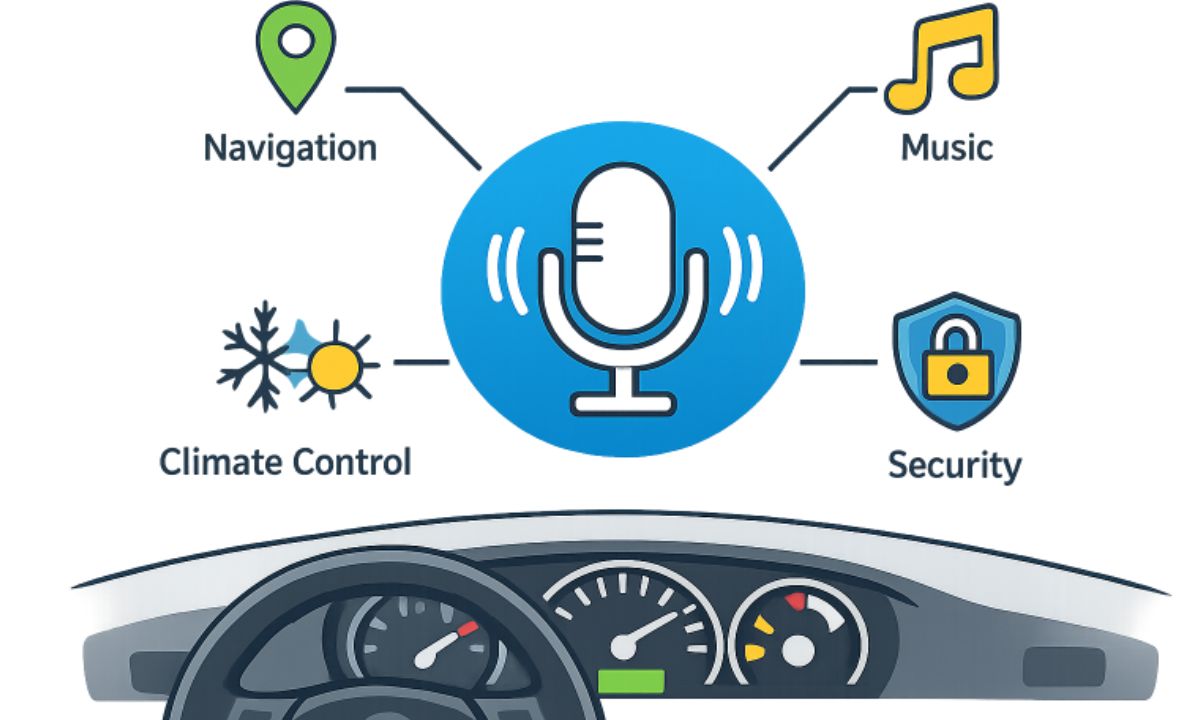
One of the foundational characteristics of any premier voice assistant is its seamless connectivity with the vehicle’s multiple systems. This involves enabling hands-free control over the car’s navigation, climate, infotainment, and even certain safety features. When these systems are tightly integrated, drivers benefit from streamlined workflows and a more natural user experience. Many leading automakers, like Mercedes-Benz with its MBUX system, have raised the bar in this space by offering robust voice control over a range of car functions. Such integration is vital for reducing cognitive load and increasing operational safety behind the wheel.
Integration doesn’t end with the vehicle’s basic functionality. Expanding support for third-party apps and capabilities, such as digital assistants that sync with calendars, smart home devices, or shopping lists, brings the ecosystem even closer to a truly connected lifestyle. The ability to integrate with automotive telematics and remote services, such as remote start or vehicle health reporting, enhances both user satisfaction and long-term vehicle maintenance. As these integrations proliferate, automotive brands differentiate themselves by the extensiveness, reliability, and smoothness of the voice assistant’s embedded controls.
Advanced Natural Language Processing Capabilities
Another essential component is advanced natural language processing (NLP), which enables the assistant to understand everyday language. Modern drivers expect voice assistants to differentiate between different accents, slang, and even contextual nuances. By enabling nuanced, multi-turn conversations, NLP not only makes the system more usable but also markedly increases driver satisfaction. An example can be seen in vehicles that feature Google’s conversational AI, which demonstrates how large language models are improving user interactions inside the car. Volvo’s integration of this technology showcases the far-reaching impacts of conversational AI in the automotive sector.
As vehicle AI matures, NLP technology ensures that voice assistants become increasingly intuitive, able to understand context switches, sarcasm, and ambiguous commands with ease. The arrival of contextual awareness means drivers no longer need to use rigid phrases; conversational freedom results in an experience closer to interacting with a human co-pilot. Over time, these systems will only continue to become smarter, adapting to linguistic shifts and improvements in AI comprehension.
Real-Time Data Utilization
A truly modern in-car voice assistant should access and leverage live data for decision-making. By using real-time traffic updates, dynamic weather reports, and instant vehicle diagnostics, voice assistants empower drivers to react swiftly and make fully informed choices while on the road. Whether rerouting to avoid traffic congestion or adjusting driving recommendations based on weather, these dynamic features considerably enhance both convenience and overall safety. As covered in industry reports, this use of real-time data is defining the next era of in-car assistants.
This capability is rapidly expanding as vehicles become increasingly connected to the cloud and the wider Internet of Things (IoT). For example, a system can dynamically route around accidents, alert drivers to nearby amenities or refuel options, and even notify emergency contacts if a collision is detected. By providing hyper-relevant, location-based details, these voice assistants are becoming indispensable digital copilots, making driving both less stressful and more informed with every trip.
Personalization and Adaptive Learning
Increasingly, voice assistants are distinguished by their ability to learn from user preferences and driving patterns. By tailoring recommendations, remembering favorite destinations, or storing climate settings, these systems provide a more individualized experience that evolves over time. Personalization does not just improve comfort; it streamlines daily routines, reduces repetitive commands, and speeds up access to regularly used features. Such adaptive learning ensures that voice assistants become smarter and more attuned to each driver over time.
As the assistant learns about each user’s unique habits and routines, it can proactively suggest calendar reminders, preferred music, or even suggest optimal leaving times based on learned traffic patterns. This anticipatory behavior turns the voice assistant into a trusted travel advisor, reducing friction in daily routines and helping users adapt more quickly to unexpected changes or schedule delays. Modern automotive AI learns not just about the driver but also adapts its behavior to family members and other regular passengers, offering a fully customized journey.
Multimodal Interaction Capabilities
As voice technology matures, multimodal interfaces are becoming indispensable. Today’s top systems allow users to switch seamlessly between different input methods, including voice, touchscreens, physical controls, gestures, and even facial recognition. Such flexibility lets drivers interact with their vehicles in the manner that is most comfortable and situationally appropriate, while prioritizing road safety. Multimodal interactions bridge the gap between traditional and digital controls, catering to diverse preferences among drivers and passengers alike.
The convergence of these modes means the in-car experience can adapt to nearly any situation—for example, switching to manual controls during noisy conditions or using facial recognition for secure driver profile access. This holistic approach to interface design allows the car’s system to address a wide array of user accessibility needs, improving usability for drivers of all ages and abilities and further reinforcing the value of inclusive vehicle technology.
Robust Privacy and Security Measures
Given the sensitive information processed by voice assistants, robust privacy and data protection must never be an afterthought. In-car systems collect personal data on behavior, preferences, location, and schedules, making them potential targets for cyber threats. Leading solutions encrypt voice data, ensure secure in-vehicle processing, and maintain transparent policies regarding data collection and sharing. Automotive brands that prioritize privacy build essential trust with their customer base, validating their systems as both innovative and responsible. News organizations such as the BBC have discussed the growing pressure on the automotive industry to enhance cybersecurity amid advances in connected cars.
Beyond the technical safeguards, it’s crucial for manufacturers to prioritize transparency and provide users with clear controls over their data privacy preferences. Tools that allow users to tailor how much data their voice assistant collects or shares, along with options for data deletion and account management, further put users at ease. Proactive commitment to privacy isn’t only a feature, it’s a competitive advantage in today’s increasingly connected vehicle marketplace and an expectation among tech-savvy buyers.
Final Thoughts
The modern in-car voice assistant stands at the intersection of safety, convenience, and personalization. By effectively integrating with vehicle systems, understanding natural conversation, utilizing real-time data, adapting to user preferences, supporting multimodal interaction, and prioritizing privacy, these assistants redefine the driving experience. With innovations accelerating, the industry is headed toward smarter, safer journeys where the driver’s voice truly steers the future.
Looking forward, we can expect further synergies between voice assistants, vehicle autonomy, and cloud-powered intelligence. As these assistants evolve, they may even collaborate with city infrastructure, communicate with other vehicles, or facilitate over-the-air updates for continual improvement. The result will be a dynamic, forward-thinking automotive landscape, one in which the car itself becomes an active partner in every journey.
READ ALSO: Decode Your Car’s Secrets: A Practical Guide from enginefirm.com