




Ensuring the safety and dignity of your loved ones in care facilities is crucial, especially as the elderly may be particularly vulnerable to mistreatment. Recognizing potential signs of elder neglect quickly can play a vital role in improving their quality of life. For families navigating concerns about care standards, connecting with a qualified Brunswick elder neglect lawyer is an important step toward understanding your options and protecting your loved ones’ rights.
Neglect in elderly care can be subtle or dramatic, making it crucial for families and advocates to recognize signs and respond appropriately. Often, neglect goes unnoticed due to infrequent contact or a lack of awareness of symptoms. Educating oneself on indicators and reporting processes is essential for protecting vulnerable older adults in Brunswick and the surrounding areas. Taking action not only prevents further harm but also enhances care standards for others in the facility. This guide provides insights into common forms of elder neglect, intervention strategies, and next steps for concerned parties.
Physical Signs of Neglect
The most immediate and alarming signs of elder neglect are often physical. Watch for bedsores, also known as pressure ulcers, which develop when residents are not repositioned regularly. These sores are painful and can lead to serious infections if untreated. Families should also look for unexplained bruises, cuts, or fractures. Such injuries may result from accidents, rough handling, or lack of supervision. Malnutrition and dehydration represent other serious red flags, often marked by dramatic weight loss, dry or fragile skin, and sunken eyes.
Emotional and Behavioral Changes
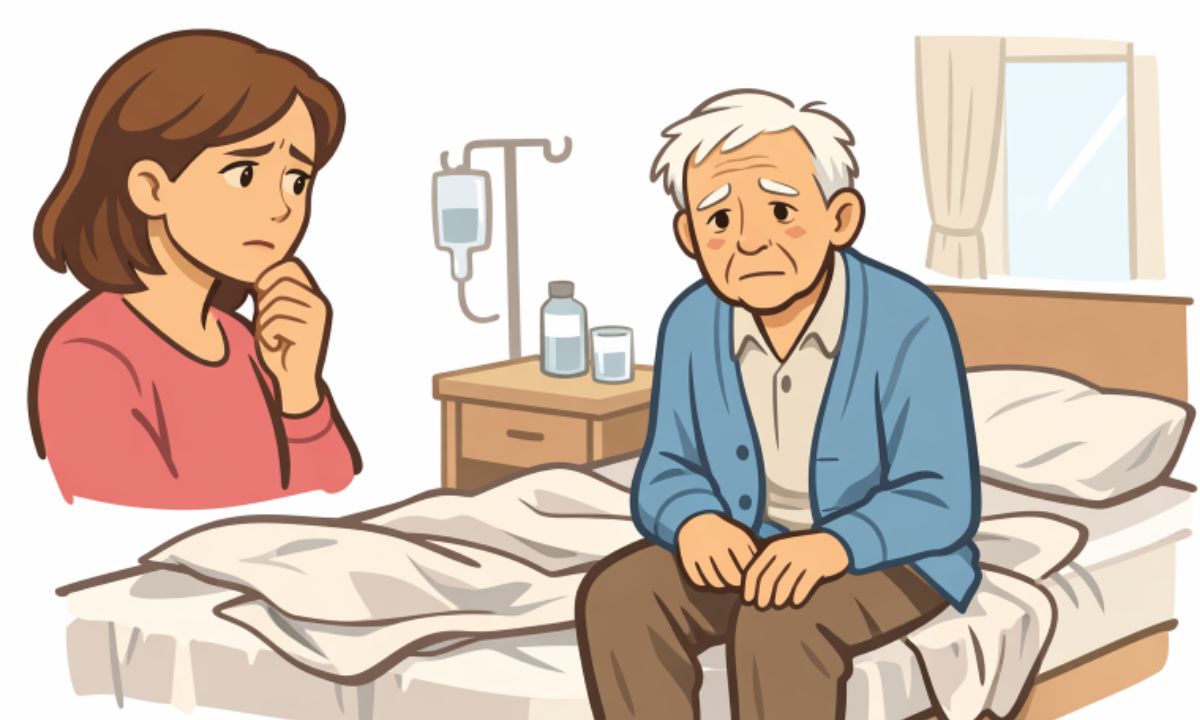
Neglect can affect more than just physical health. Sudden mood changes, such as increased depression or anxiety, can indicate issues with care or emotional maltreatment. Residents who appear less interested in hobbies or routinely withdraw from activities they once enjoyed may be expressing emotional distress. Another important indicator is fearfulness, especially around specific staff or other residents. Such behaviors may signal previous or ongoing neglect or abuse.
Unsanitary Living Conditions
Residents have a right to a safe and clean environment. Warning signs at a care facility include dirty or soiled bedding, soiled clothing, and persistent foul odors. Unsanitary bathrooms, pests, or visibly dirty communal areas often signify a pattern of neglect and put residents at risk for illness and infection. More information on expected care standards can be found at reputable health resources such as the Centers for Disease Control and Prevention.
Lack of Medical Care
One of the most critical requirements for elderly care is the timely provision of medical assistance. Unmanaged or poorly managed chronic conditions, as well as missed medications, are strong warning signs of neglect. Family members may notice unexplained worsening of a loved one’s health or repeated illnesses that are not properly diagnosed or treated. Prompt reporting of these concerns can be essential to the resident’s well-being.
Social Withdrawal
Long-term isolation or reluctance to communicate may be less visible than physical wounds, but are equally concerning. Elderly residents who are left alone or ignored may go for days without meaningful interaction, which increases the risk of depression and cognitive decline. Fear of retribution or an unwillingness to share information about care is also a critical warning sign.
Financial Exploitation
Neglect sometimes surfaces as financial exploitation. Be cautious if you notice unexplained bank withdrawals, strange account activity, or the disappearance of valuable personal belongings. These incidents should be documented and reported, as financial abuse often accompanies other types of neglect. To learn more about the rights and protections for elders, visit AARP’s elder financial abuse resource.
How to Respond to Suspected Neglect
If elder neglect is suspected, documentation is key. Write down specific observations, dates, and incidents. Direct communication with facility management is recommended for immediate concerns, but persistent issues should also be reported to authorities such as Georgia’s local adult protective services or the Department of Community Health. Consulting with a legal professional specializing in elder law can be invaluable for determining the right course of action and protecting the affected individual’s welfare and rights.
Preventive Measures
Families can reduce the risk of neglect by making frequent, unplanned visits to the care facility and staying involved in care planning discussions. Establishing a relationship with caregivers and encouraging open dialogue can give your loved one confidence to share concerns without fear. Proactive oversight creates accountability, deters poor practices, and enhances residents’ overall quality of life.
Remaining informed and engaged is the most effective way to ensure that elderly individuals in Brunswick’s care facilities receive the compassion, dignity, and protection they deserve when they are most vulnerable.
Conclusion
In conclusion, recognizing the signs of elder neglect is essential to protecting vulnerable seniors and ensuring they receive proper care and respect. Physical injuries, emotional withdrawal, poor living conditions, inadequate medical attention, and financial exploitation are all serious warning signs that should never be ignored. Families who remain actively involved, document concerns, and respond quickly to suspicious situations can help prevent further harm and improve their loved one’s quality of life. Through awareness, communication, and advocacy, communities can work to create safer, more compassionate care environments for older adults.