





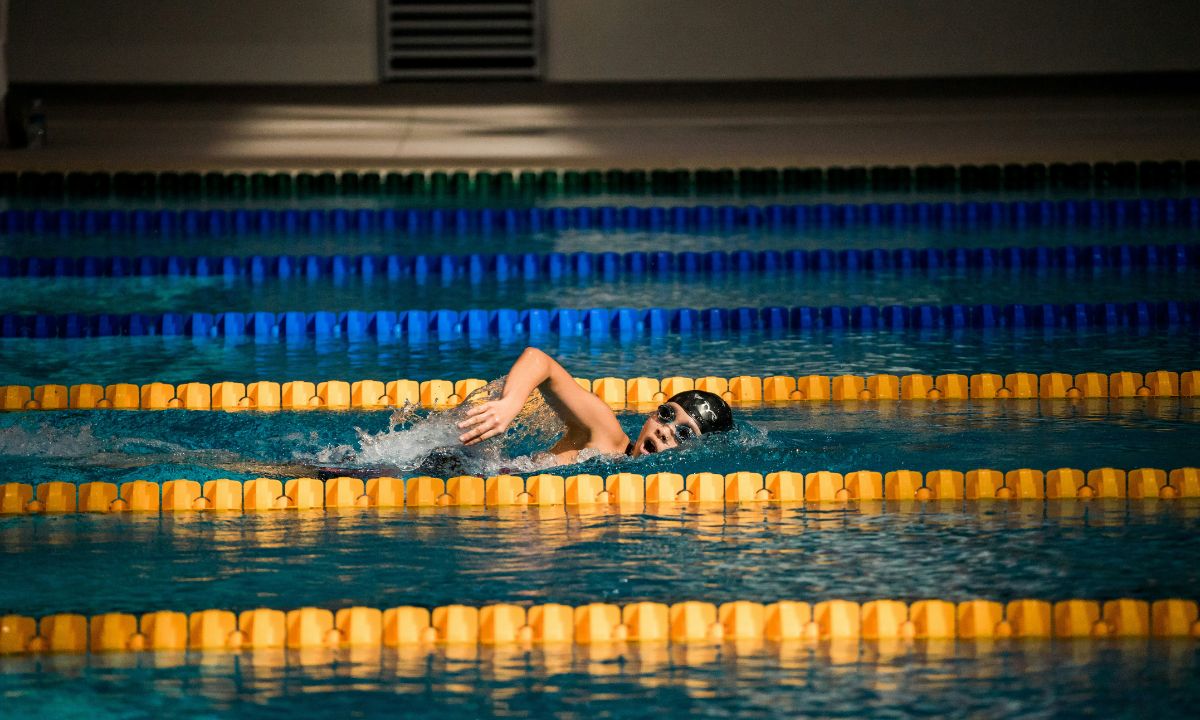
Efficiency often matters more than effort in the pool. Many swimmers work harder than necessary because subtle technique flaws create resistance that slows them down with every stroke. Technical swimming lessons help identify those hidden sources of drag, allowing swimmers to move through the water with greater speed, less fatigue, and improved control.
Head Position Errors Often Create More Resistance Than Expected
Lifting the head even slightly higher than necessary can have a surprising effect on body position. As the head rises, the hips and legs often sink lower in the water, creating a larger surface area that increases resistance and forces swimmers to expend more energy to maintain speed. Technical instruction focuses heavily on alignment because small corrections can produce immediate results. During swimming lessons in Springfield, VA, coaches often teach swimmers to maintain a neutral head position that allows the body to stay longer, flatter, and more streamlined throughout the stroke cycle.
Hand Entry Angles Can Quietly Slow Forward Momentum
Many swimmers concentrate on the pull phase while overlooking what happens when the hand first enters the water. An entry that crosses the centerline or strikes the surface at an inefficient angle can disrupt balance and create turbulence that interferes with forward motion.
Refined hand placement helps swimmers move more efficiently. Professional swimming lessons emphasize entering the water cleanly and extending forward with proper alignment, helping reduce unnecessary resistance while creating a smoother transition into the catch phase.
Unsteady Core Alignment Creates Hidden Drag Through the Water
Strong swimming depends on more than arm and leg movement. The core acts as the central connection between the upper and lower body, helping maintain balance and reduce side-to-side movement that can waste energy. Poor alignment often creates drag that swimmers do not even notice. Springfield, VA swimming lessons frequently focus on body position drills that improve stability, allowing swimmers to hold a streamlined shape that cuts through the water more effectively.
Excess Knee Bend Can Disrupt an Otherwise Smooth Stroke
Kicking should support forward movement rather than create additional resistance. Excessive knee bend causes the lower legs to act like brakes, increasing drag and interrupting the natural flow of the stroke.
Efficient kicking relies on controlled movement that originates from the hips rather than the knees. Technical instruction helps swimmers develop a more streamlined kick pattern that contributes to propulsion without creating unnecessary turbulence behind the body.
Wide Recovery Patterns Often Increase Surface Level Resistance
Arm recovery above the water may seem less important than what happens beneath the surface, but recovery mechanics influence overall efficiency. Arms that swing excessively wide can affect balance, body position, and stroke timing.
Controlled recovery patterns help maintain better alignment from one stroke to the next. Many adults searching for swimming classes near me discover that improving recovery mechanics creates a smoother, more relaxed stroke that conserves energy over longer distances.
Body Rotation Timing Influences How Cleanly Swimmers Move Forward
Rotation plays a major role in freestyle efficiency. Turning too early, too late, or too aggressively can disrupt balance and create extra resistance that slows forward progress.
Proper timing allows swimmers to connect the movement of the shoulders, hips, and arms into a coordinated sequence. Swimming lessons near me often include drills that teach rotational control because smoother rotation helps reduce drag while improving stroke rhythm and breathing mechanics.
Small Stroke Adjustments Can Produce Noticeable Speed Gains
Many swimmers assume dramatic improvements require dramatic changes. In reality, small technical refinements often generate significant gains because they remove sources of resistance that occur repeatedly throughout every lap.
Subtle adjustments to body position, hand placement, kick mechanics, and stroke timing can make movement through the water feel easier and more efficient. Swimmers who focus on these details frequently notice better endurance, smoother technique, and faster times without increasing physical effort. Safe Splash helps swimmers identify and correct these often-overlooked technique flaws through structured instruction and personalized feedback, allowing athletes and recreational swimmers alike to develop cleaner, more efficient movement patterns that reduce drag and support long-term improvement in the pool.