




Choosing the right flooring material for high-traffic areas is a critical decision in any home improvement or interior design project. Flooring in these areas needs to withstand constant wear and tear while maintaining its aesthetic appeal. Two popular options are limestone and ceramic tiles, each with its unique properties and benefits. This article will compare these materials’ characteristics, durability, and suitability for high-traffic areas, helping you make an informed decision that aligns with your design goals and practical needs.
Limestone Tile: Characteristics and Durability
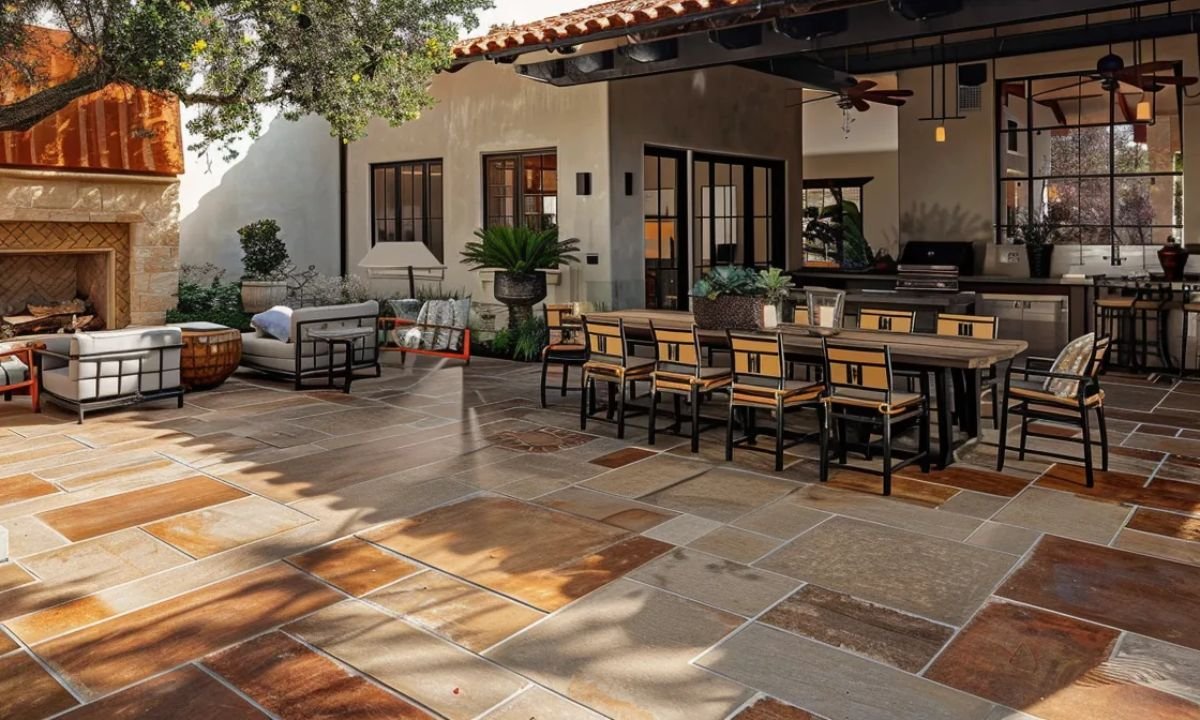
Limestone Tile is a natural stone known for its earthy tones and unique textures, making it a favorite in creating a timeless aesthetic. One of the most significant advantages of limestone is its ability to be polished to achieve various finishes, from matte to high gloss, which can be detailed in a Finish Schedule. When it comes to durability, limestone is generally robust, but it is porous, which means it requires sealing to prevent stains and moisture damage. Regular maintenance such as resealing is necessary to maintain its appearance and durability over time.
In high-traffic areas, Limestone Tiles can provide a non-slip surface, which is crucial for safety. However, the stone’s natural composition means that it can be susceptible to scratches and chips if not properly cared for. Despite these challenges, with appropriate sealing and maintenance, limestone can last for decades, offering a sustainable choice for environmentally-conscious homeowners who value Sustainable Materials Certification.
Recent trends in interior design have seen Limestone Tiles being used in various settings, owing to their adaptability and timeless appeal. For more intricate design planning, professionals often incorporate limestone into their CAD Software designs to visualize how the stone will integrate into the overall space.
Ceramic Tile: Characteristics and Durability
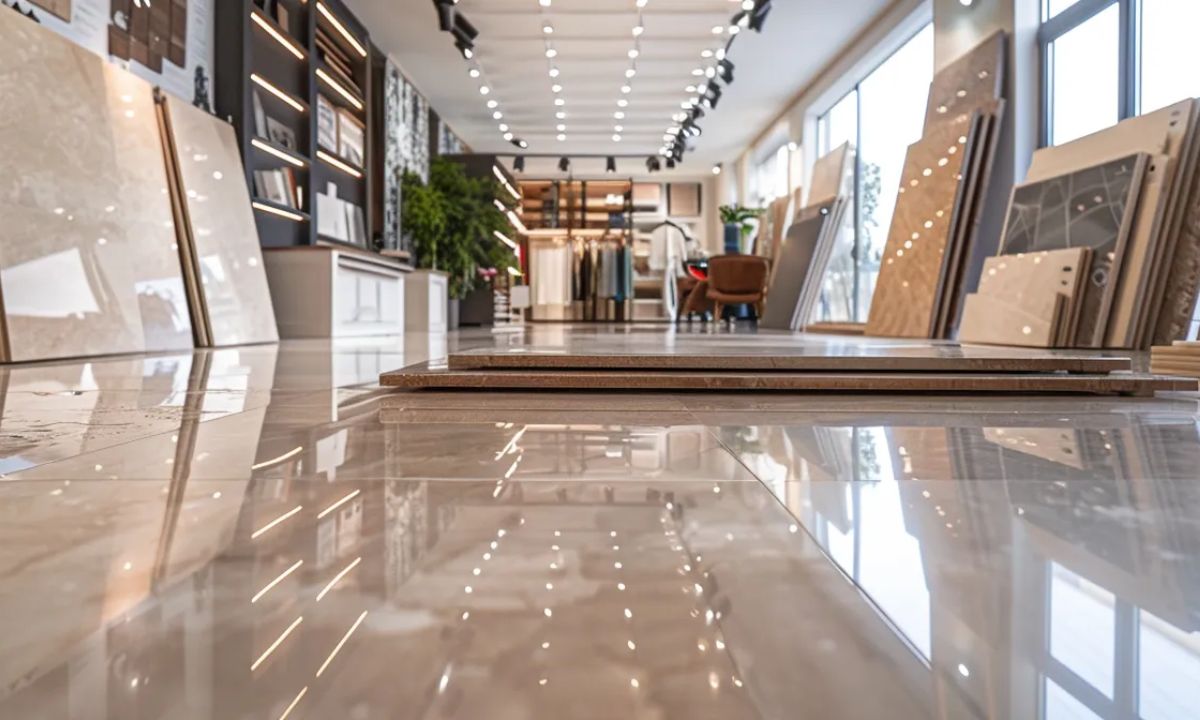
Ceramic tile is a manufactured product made from clay that is fired in a kiln. It is highly favored for its versatility in design, available in an array of colors, patterns, and sizes, which can be easily integrated into a Mood Board. Ceramic tiles are known for their durability and resistance to wear, making them an excellent option for high-traffic areas. They are non-porous and resist stains and water, which reduces the maintenance required compared to natural stones like limestone.
The durability of ceramic tiles is enhanced by their ability to withstand heavy foot traffic without showing signs of wear. Moreover, their hard surface makes them less susceptible to scratches and dents, which is an advantage over softer materials. However, they can be cold and unforgiving underfoot, which might be a consideration depending on the climate and intended use of the space.
Ceramic tiles can be easily installed and replaced, making them a practical choice for areas where Building Code Compliance is stringent, as they offer consistent performance and safety standards. For interior designers, ceramic tiles provide a canvas for Color Rendering, allowing for creative and vibrant design solutions.
Comparing Limestone and Ceramic Tiles in High-Traffic Areas
When determining which tile is more suitable for high-traffic areas, it’s essential to consider both the durability and maintenance needs of limestone and ceramic tiles. Limestone Tile, with its natural beauty and ability to be refinished, offers a unique aesthetic that can enhance the elegance of a space. However, it may require more maintenance, such as sealing and resealing, to protect against wear and tear.
On the other hand, ceramic tiles boast a high resistance to scratches, stains, and moisture, making them an ideal choice for areas with heavy foot traffic. They are easier to clean and maintain, which can be a significant advantage for busy households or commercial spaces. Additionally, ceramic tiles’ variety can be instrumental in Space Planning, providing flexibility in accommodating various design needs.
Furthermore, both tiles can be thoughtfully integrated into a comprehensive Lighting Design Specification plan, ensuring that the flooring complements the overall ambiance and functionality of the space. For those interested in exploring the aesthetic and durable qualities of limestone, the collection of Limestone Tile offers a range of options that cater to both traditional and modern design preferences.
Making the Right Choice for Your Space
The decision between limestone and ceramic tiles should be guided by the specific needs of the space, the desired aesthetic, and the level of maintenance you are willing to commit to. Limestone offers a natural, timeless look that can be a statement feature in any design, while ceramic is a practical and versatile choice that excels in durability and ease of maintenance. For homeowners and designers alike, considering these factors in conjunction with the expected foot traffic can lead to a flooring choice that not only meets functional needs but also enhances the visual appeal of the space.
Conclusion

Both limestone and ceramic tiles offer distinct benefits that can suit various high-traffic areas depending on your priorities. While limestone provides a classic, natural look with the need for regular maintenance, ceramic tiles offer durability with minimal upkeep. For those involved in home improvement or interior design, understanding these characteristics empowers better decision-making and results in a more beautiful and functional environment.